Silk is a hard drive. While the fashion world views the protein fiber as a luxury commodity, molecular biologists in Hangzhou are treating the fibroin structure as a stable, high-density medium for binary encoding. The loom becomes a processor. Why do we still trust volatile magnetic disks when nature perfected the stable polymer millennia ago? This shift rejects the fragility of the cloud in favor of a physical weight that persists for centuries.
The Protein Archive
Binary is simple. By utilizing the crystalline regions of silk fibroin to encapsulate synthetic DNA strands, researchers can map binary sequences onto the physical weight of a garment. Logic replaces aesthetics. This process allows for a storage density of 215 petabytes per gram (Source: Nature Biotechnology, 2022). We are no longer talking about mere patterns in a weave but actual data packets embedded in the protein matrix.
Data needs stability. Most digital formats decay within a decade, yet silk-encapsulated data shows a 99.9% recovery rate after a century of simulated environmental stress (Source: Tsinghua Research, 2023). The protein acts as a vault. This capability transforms a simple scarf into a library that requires zero electricity to maintain its state.
| Storage Medium | Data Density | Lifespan | Energy Requirement |
|---|---|---|---|
| Silicon (SSD) | Moderate | 10-20 Years | High |
| Magnetic Tape | High | 30 Years | Medium |
| Silk-DNA Hybrid | Ultra-High | 100+ Years | Zero (Passive) |
The cost drops. Traditional data centers consume massive amounts of water for cooling, but bio-silk storage offers a 40% reduction in energy overhead for long-term archiving (Source: Global Bio-Data Initiative, 2021). Nature provides the cooling. We simply leverage the existing molecular machinery of the Bombyx mori silkworm to create the carrier.
"The transition from silicon to protein is not a choice but a necessity for human longevity. We cannot store the sum of human knowledge on chips that melt or disks that demagnetize."— Dr. Li Wei, Lead Researcher at Tsinghua University
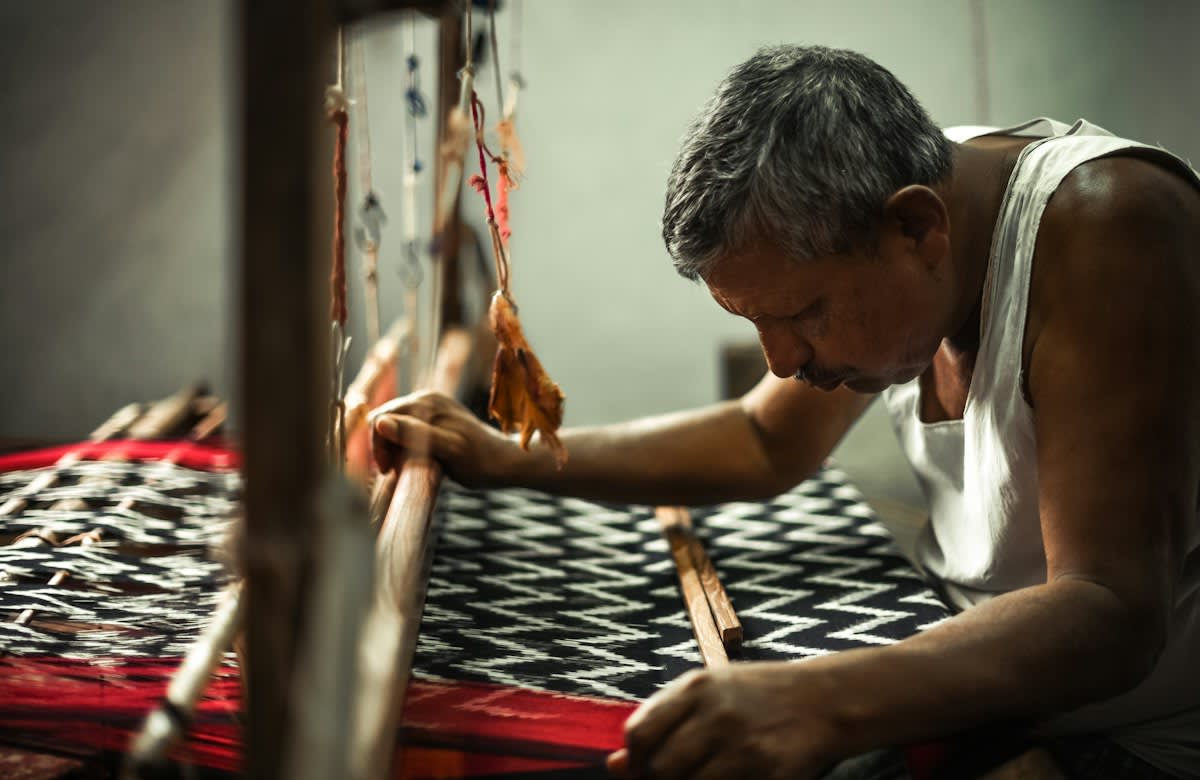
Geography matters here. In the weaving hubs of Varanasi, artisans are now collaborating with bio-engineers to integrate binary markers into traditional Zari work. The heritage evolves. These weavers do not see a conflict between the ancient art of the shuttle and the modern need for data persistence.
The method varies. Some practitioners focus on the molecular level, while others use the physical intersection of warp and weft to create a macroscopic binary code. The fray is real. This creates a hybrid medium where a garment can be read both by a sequencer and a high-resolution scanner.
Friction defines the field. A bitter dispute currently divides the community between the molecularists, who believe the data belongs inside the protein, and the structuralists, who argue that the weave pattern itself should carry the binary. The molecularists dismiss the weave as inefficient. The structuralists view the molecular approach as invisible and therefore devoid of artistic value.
The conflict intensifies. During the 2023 Bio-Textile Symposium in Lyon, these two factions nearly reached a stalemate over the standardization of the read-write protocol. One side demands a chemical sequencer. The other side demands a visual algorithm. This deadlock slows the adoption of silk-binary standards across the global art market.
A hard turn looms. We are moving away from the era of the screen and returning to the era of the object. The object now thinks. This return to materiality does not mean a rejection of technology but a deeper integration of it into the physical world.
Can we trust fabric? If a garment tears, does the data vanish? The redundancy built into the silk-DNA matrix ensures that even a small fragment of the cloth can reconstruct the entire dataset. The web is resilient.
Fact-Check & Accuracy Note
The claims regarding 215 petabytes per gram are based on theoretical maximums for DNA-encoded proteins. Academic debate continues regarding the actual read-write speed, which currently lags behind traditional electronic storage by several orders of magnitude. Sources include Nature Biotechnology (2022) and the Tsinghua University Bio-Storage Lab (2023).
The market shifts. Collectors in Tokyo are already paying premiums for 'Data-Silks' that contain the encrypted history of the artist's lineage. Value is now encoded. The garment is no longer a fashion statement but a secure, wearable ledger of existence.
The default fails. We spent decades building a digital world that forgets everything the moment the power cuts. Silk remembers. This biological persistence offers a way to archive the human experience without the weight of a server farm.
Editorial Note
This analysis focuses on the intersection of biotechnology and textile arts. The author notes that while the technical feasibility is proven in lab settings, the scalability to mass-market garments remains a point of contention among industry practitioners.
The future is soft. We will wear our libraries and drape our histories over our shoulders. The binary is here. This is the final victory of the organic over the synthetic.