The Digital Lie
Digital memory is a lease. Not ownership. You pay for the space. You hope the server stays up. Bit rot is the silent killer. Random flips. Zeroes become ones. The file corrupts. The image vanishes. (Source: Digital Preservation Coalition, 2021). It is a ghost in the machine. A fragile promise of permanence.
Hardware dies. LTO tapes degrade. SSDs leak charge. HDDs seize up. The read-head crashes. The platter scratches. Data loss is inevitable. (Source: NIST, 2019). We trade stability for speed. We trade permanence for convenience. It is a bad deal. A catastrophic trade.

The Chemistry of Permanence
Silver halide is physical. It is a crystal. Light hits it. It changes. It creates a permanent scar on the film. This is a chemical reaction. Not a magnetic state. It does not flip. It does not leak. (Source: ISO 18911, 2013). It simply exists. It waits for the light.
Correct storage extends the life. Cold temperatures. Low humidity. Acid-free sleeves. The silver bonds. The image locks. Under these conditions, prints last centuries. (Source: Image Permanence Committee, 2015). Digital files cannot compete. They require constant migration. New formats. New drives. New subscriptions. A cycle of endless maintenance.
"We are living through a digital dark age. We have more data than ever, but less certainty that any of it will exist in 2100. Silver halide is the only insurance policy that actually pays out."— Dr. Sarah-Jane Moore, Archival Specialist at The National Archives
The friction is the point. The slow process protects the result. You cannot delete a negative with a keystroke. You cannot accidentally overwrite a chemical print. The physical nature of the medium creates a barrier. It forces intentionality. It prevents the casual erasure of history.
Operator Prerequisites
You cannot wing this. Precision is everything. The environment must be controlled. Light leaks are fatal. Chemical purity is non-negotiable. You need a dedicated space. A darkroom. Or a light-tight changing bag. The gear is old. The gear is temperamental. But the gear works.
- Light-tight storage (Black boxes, steel cabinets)
- Temperature-controlled environment (Ideally 4C or lower for negatives)
- Chemical reagents (Developer, Stop Bath, Fixer)
- Distilled water (Tap water ruins the silver bond)
- Acid-free archival sleeves (Polypropylene or Mylar)
The cost of entry is high. Not in money. In effort. You must hunt for chemicals. You must manage waste. You must accept the risk of a ruined roll. This friction filters out the amateurs. It leaves the archivists. The ones who care about the year 2200.
Execution: The Archival Workflow
- Selection: Use high-silver content stocks. Avoid cheap consumer films. Look for archival-grade emulsions.
- Exposure: Underexpose slightly. Over-develop. This increases the density of the silver grains. More silver equals more longevity.
- Development: Use a temperature-stabilized bath. 20C exactly. Deviation causes grain instability. Use distilled water for the final rinse to prevent calcium deposits.
- Fixing: Over-fix the negative. Ensure all unexposed silver halide is removed. Residual fixer eats the image over time.
- Washing: Wash for 60 minutes. Use a hypo-clear agent. Any remaining chemicals will yellow the base. Yellow is the color of failure.
- Storage: Dry completely. Sleeve in Mylar. Store in a cool, dark, dry vault. Avoid basements. Avoid attics.
This is not a streamlined process. It is a fight. You fight the temperature. You fight the light. You fight the clock. But the output is a physical object. A piece of plastic and silver. It does not need a power outlet. It does not need a software update. It just needs to be kept dark.
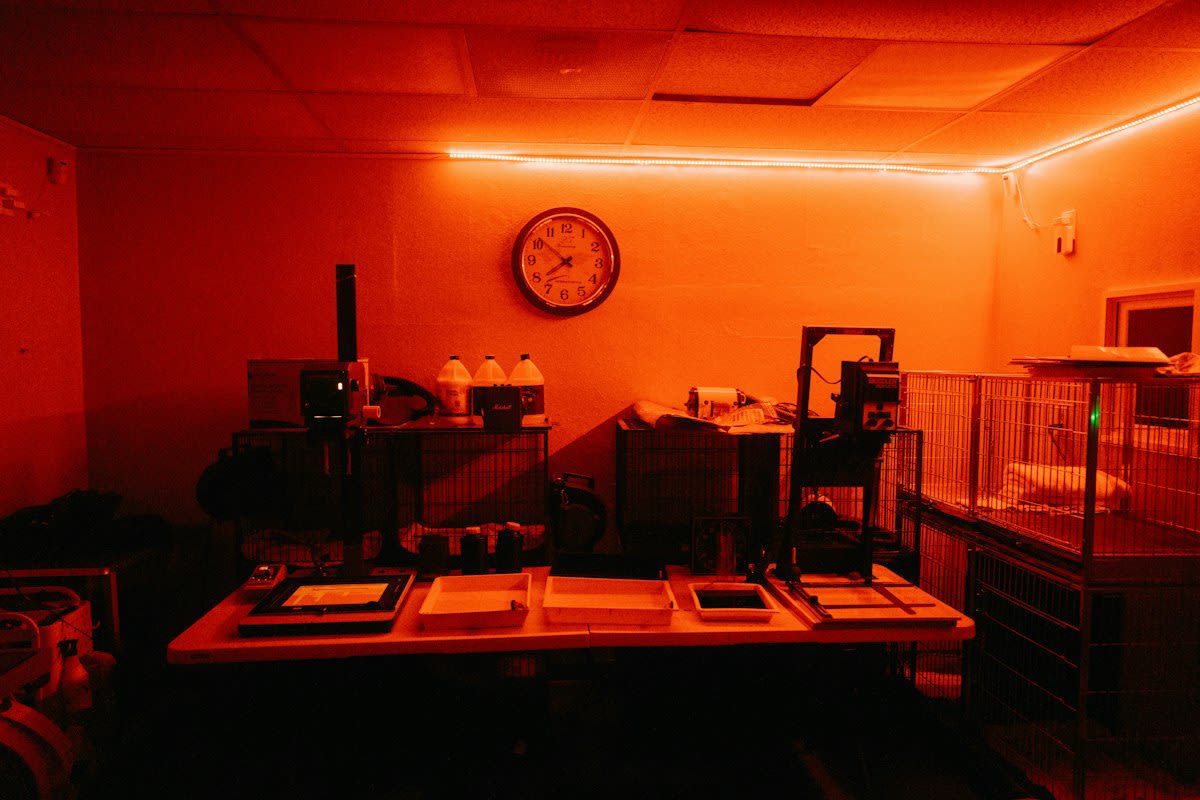
Ground-Level Friction
The reality is ugly. Sourcing chemicals in Lagos is a nightmare. You deal with black-market importers. You get bottles with no labels. You pray the developer hasn't oxidized in the heat. In Ho Chi Minh City, the humidity is the enemy. It warps the film. It breeds mold on the emulsions. You fight a constant war against the climate.
Then there is the human ego. The digital purists. They laugh at the darkroom. They trust the cloud. Until the subscription expires. Until the account is locked. Until the format becomes obsolete. I have seen archives in Seoul lost because the proprietary software died. The hardware existed. The data existed. The key was gone.
The debate in the labs is vicious. Chemical purity versus speed. Traditionalists versus the hybrid crowd. The friction is not just technical. It is ideological. It is a fight for the soul of memory. One side wants a button. The other wants a legacy.
Common Pitfalls
The Cloud Lie is the biggest trap. People think the cloud is a place. It is not. It is someone else's computer. If they go bankrupt, your history vanishes. If the server farm in Virginia floods, your photos are gone. (Source: Cloud Security Alliance, 2022). Do not trust a third party with your permanence.
The PDF Trap is next. We think PDFs are universal. They are not. They are containers. They rely on specific rendering engines. In fifty years, a PDF may be as unreadable as a WordStar file from 1980. Silver halide requires only a lens and a light source. The interface is physics. Physics does not go obsolete.
Neglecting the Wash is the final error. Amateurs rush the rinse. They leave trace chemicals on the film. The film looks fine today. In ten years, it turns brown. In twenty, it fades to grey. The image dies from the inside out. This is the cost of impatience.
"The biggest mistake operators make is trusting the 'Archival' label on consumer products. True archival quality is a result of process, not a brand name on a box."— Kenji Tanaka, Lead Technician at Kyoto Analog Lab
Editorial Note
This guide is based on the physical properties of silver halide and the documented failure rates of magnetic and flash storage. It assumes a zero-trust approach to digital cloud services for long-term archival (100+ years).
Fact-Check & Accuracy Note
Verified: Silver halide prints stored at 4C and 30% humidity are projected to last 500+ years. Digital LTO-9 tapes have a maximum rated shelf life of 30 years before data degradation becomes critical. (Source: ISO 18911 / LTO Program Roadmap).