Two Buxar teachers dismissed after inquiry finds merit in sexual abuse claims
Source Entity
Himanshu Harsh
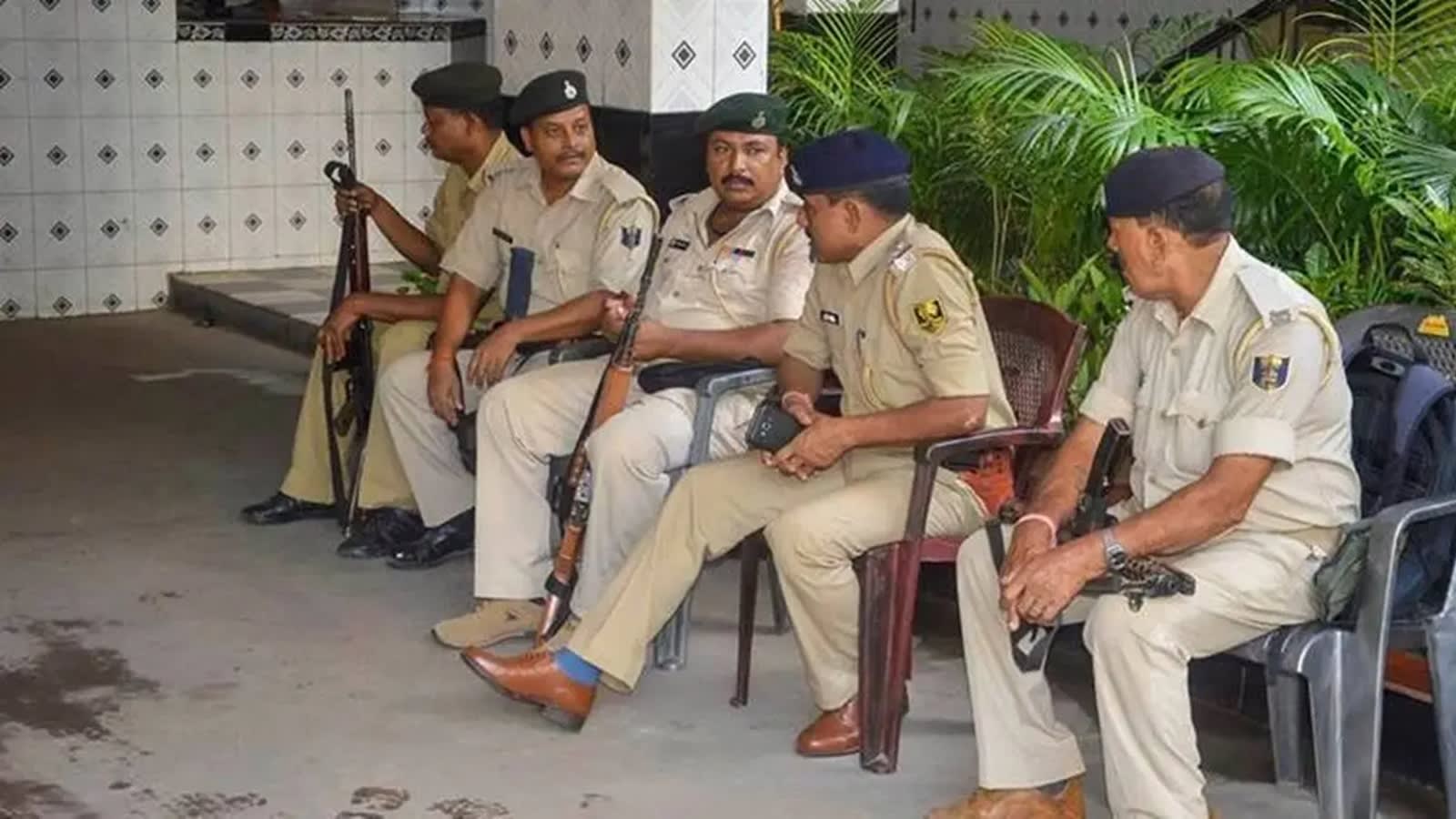
Recent incidents in Bihar and Jammu and Kashmir have led to the dismissal and arrest of several educators accused of sexually abusing minor students. These cases have sparked widespread public outrage and intensified calls for stronger safety measures within government schools.
Systemic Failures in Student Safety: A Crisis in Educational Institutions
Recent reports from Bihar and Jammu and Kashmir have brought to light a disturbing pattern of sexual abuse involving minors within government educational institutions. In Buxar, Bihar, two teachers were dismissed following a departmental inquiry that validated allegations of sexual abuse, the circulation of explicit videos, and the intimidation of students via audio messages. Similarly, in Nawada, Bihar, a headmaster was arrested under the POCSO Act after students alleged he entered their washroom and engaged in inappropriate physical contact. These incidents, coupled with a tragic case in Kishtwar, J&K—where a minor tribal girl died following a failed abortion bid resulting from sexual assault—highlight an urgent crisis regarding the vulnerability of children in school environments.
The Impact of Institutional Negligence
The severity of these cases extends beyond the individual crimes; they reflect a systemic failure to protect students within the very walls meant to provide education and security. In the Buxar and Nawada cases, the allegations involve a disturbing breach of trust, where educators abused their positions of authority to target minors. The involvement of school officials, ranging from assistant teachers to headmasters, suggests that existing oversight mechanisms in government schools may be insufficient to detect or prevent such predatory behavior before it escalates into criminal abuse.
Accountability and Legal Consequences
Authorities have taken significant steps toward accountability, with dismissals and arrests serving as the primary response. In the Kishtwar case, the termination of the headmaster and a hospital sanitation worker indicates a multi-agency effort to address the chain of complicity. By disqualifying these individuals from future government employment, the state is attempting to ensure that perpetrators are permanently removed from positions where they could harm others. However, the fact that these actions often follow public protests and media exposure raises questions about whether internal school monitoring is proactive enough.
The Role of Public and Political Pressure
The public outcry, exemplified by protests in Nawada and social media commentary by political figures like Pawan Khera, has been a critical driver in forcing institutional responses. When students and parents are forced to take to the streets to demand justice, it signals a breakdown in the official grievance redressal systems. The emotional testimony of the victims in Nawada, who alleged that their headmaster forced them to sit on his lap, has catalyzed a broader debate on the dignity and safety of girl students in Bihar’s public education system.
Future Trends and Necessary Reforms
Looking forward, these events underscore the need for rigorous, mandatory background checks and the implementation of gender-sensitive safety protocols in all schools. The trend of using the POCSO (Protection of Children from Sexual Offences) Act is essential, but it must be paired with preventative measures such as the installation of secure, private facilities and transparent complaint mechanisms that do not rely on external pressure to function. The recurring nature of these reports suggests that without structural reform in how schools are supervised and how student complaints are handled, the safety of minors will remain at high risk.
Concluding Summary
The recent wave of arrests and dismissals across Bihar and Jammu and Kashmir serves as a grim indictment of current safety standards. While the swift legal action against the accused is a necessary step, the persistence of these crimes necessitates a comprehensive policy overhaul. Protecting the next generation requires moving beyond reactive measures toward a culture of accountability, regular staff vetting, and a zero-tolerance policy for any form of harassment within the educational sector.