‘Why do you need reservation?’ Dalit student alleges caste bias at Prayagraj NLU
Source Entity
Bhupendra Pandey
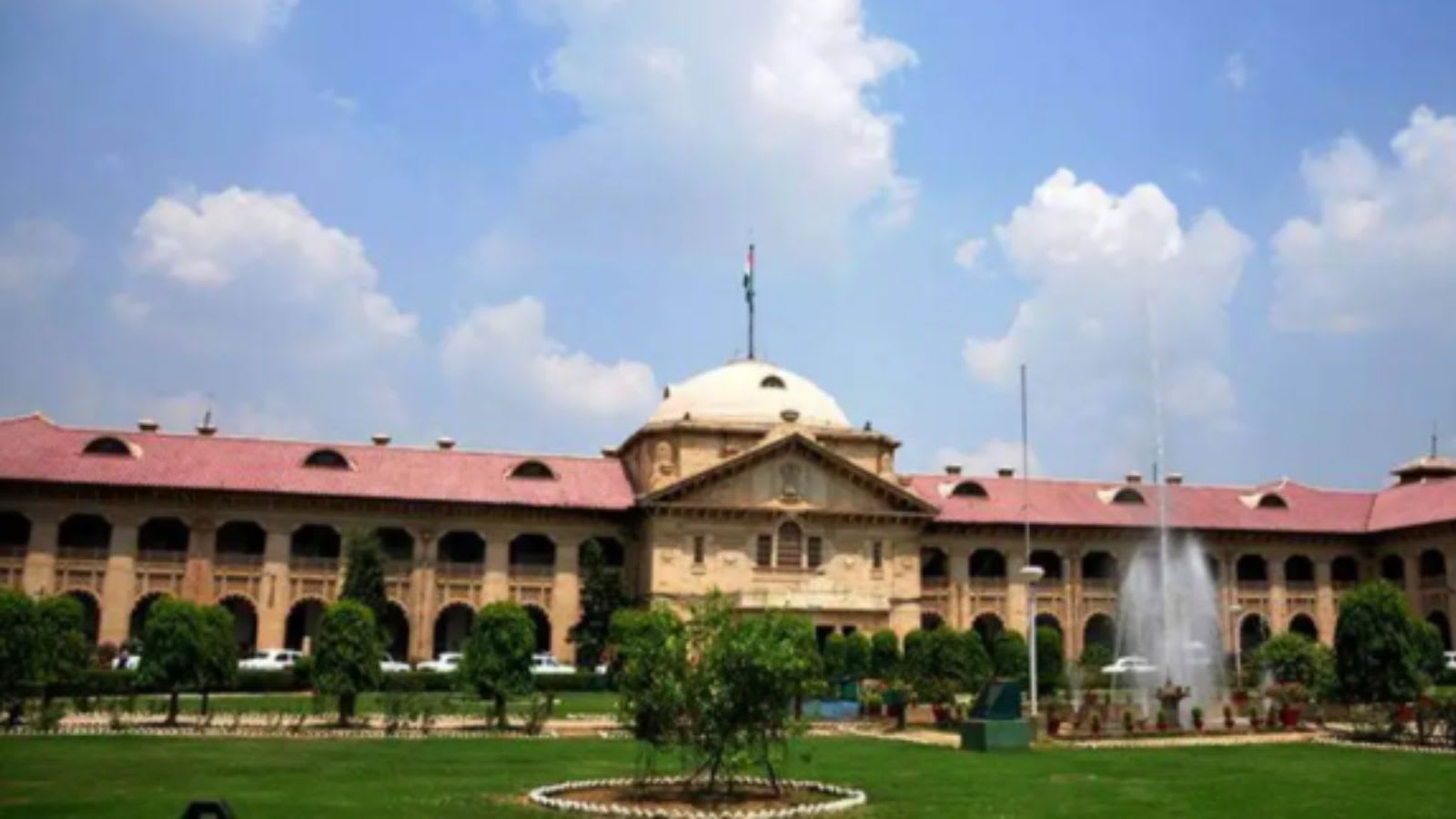
The Allahabad High Court has ordered an inquiry into alleged caste-based discrimination against Dalit students at the Dr. Rajendra Prasad National Law University. The court has also mandated a re-evaluation of academic records and suspended the involved faculty's administrative duties pending the investigation.
Judicial Intervention in Campus Discrimination Allegations
The Allahabad High Court has taken a significant step in addressing allegations of systemic caste-based discrimination at the Dr. Rajendra Prasad National Law University (NLU) in Prayagraj. By constituting a two-member committee of judicial officers, the court aims to investigate claims that the Head of the Department (HoD) and a hostel warden subjected Dalit students to humiliation and retaliatory actions. This judicial oversight signals a rigorous approach to ensuring that educational institutions remain safe environments for students from marginalized communities.
The Scope of the Judicial Probe
The court’s intervention is two-fold. First, it seeks to ascertain the veracity of the claims regarding caste-based humiliation. Second, it is tasked with examining how the university’s administration handled the initial complaints. By directing an independent committee to re-evaluate the student's answer sheets, the court is addressing the potential weaponization of academic authority—a serious concern where administrative power is allegedly used to penalize students based on their social identity.
Administrative Restrictions and Accountability
Justice Vinod Diwakar’s directives include barring the implicated faculty members from participating in any evaluation, disciplinary, or hostel-related matters concerning the petitioners. Relieving the HoD of administrative responsibilities until the inquiry concludes is a critical measure to prevent further retaliation and preserve the integrity of the ongoing investigation. This ensures that the power dynamic within the university is neutralized while the legal process unfolds.
Broader Implications for Academic Integrity
This case highlights the ongoing tension between institutional authority and student rights. When academic evaluators are accused of bias, the fairness of the entire grading system is called into question. The court’s order for an independent re-evaluation of answer sheets serves as a safeguard for academic meritocracy, ensuring that grades are reflective of performance rather than personal or discriminatory prejudice.
Contextualizing Legal Scrutiny in Allahabad
Recent judicial activity at the Allahabad High Court reflects a broader trend of rigorous procedural scrutiny. In a separate, albeit distinct, matter regarding a bank official, the court recently emphasized the necessity of procedural fairness and the provision of adequate defense opportunities. This indicates a consistent judicial philosophy within the court that prioritizes the protection of individuals against potentially arbitrary or biased institutional actions, whether in the financial sector or academia.
Conclusion
The developments at the NLU in Prayagraj underscore the vital role of the judiciary in upholding constitutional guarantees against discrimination. By moving to protect the academic future of the affected students and demanding transparency in administrative processes, the Allahabad High Court is reinforcing the principle that institutional power must be exercised fairly and without prejudice. Future trends suggest that universities will face increased scrutiny regarding their internal grievance mechanisms and the impartiality of their academic assessments.