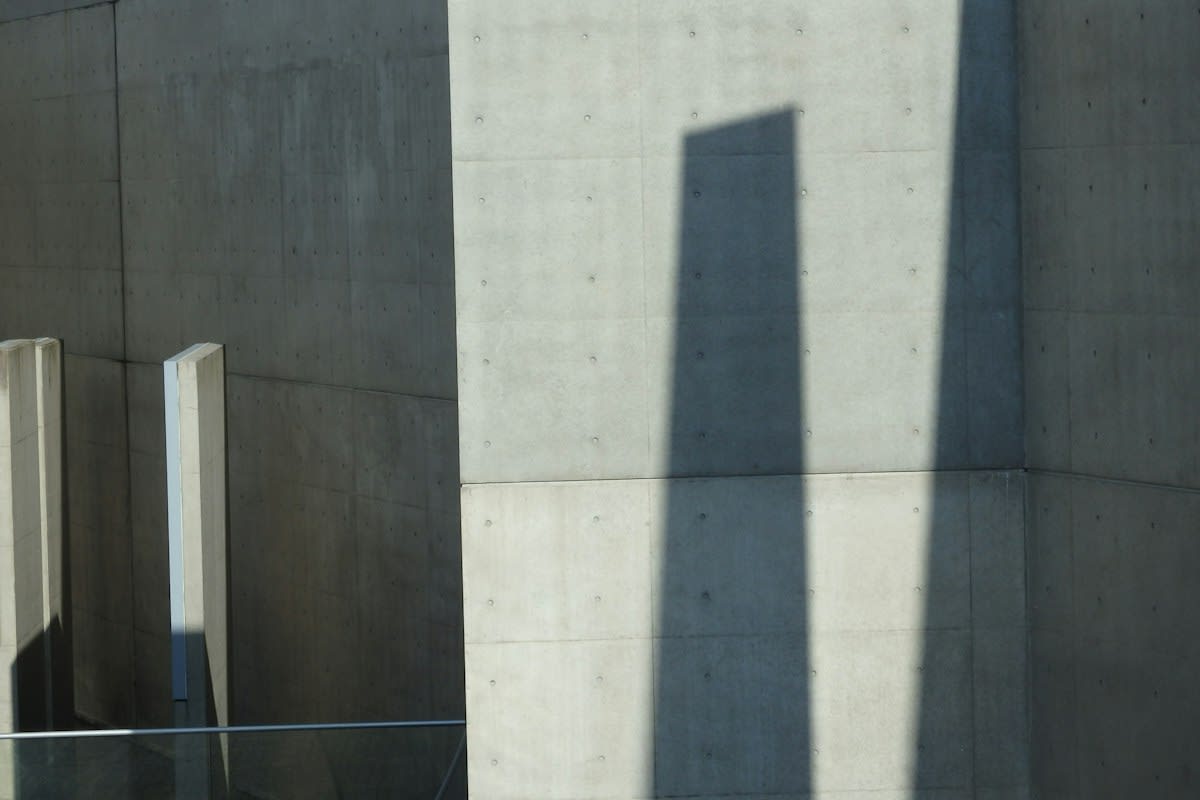
1137 N Broadway. Broadway Studios in Knoxville hosts Rust, Smoke: Ephemera, Decay & Transformation starting October 2 (Source: Instagram, 2026). This site serves as a carbon-scored laboratory for the study of transition. The objective is not the preservation of an object but the documentation of its disappearance. Practitioners must move away from the permanent and toward the fleeting, treating the air as a canvas and smoke as the thread.
Prerequisites for the Ephemeral Artist
You cannot weave smoke with a physical loom. The process requires a shift in sensory perception and a rejection of traditional archival stability. To begin, the artist must master the concept of the plenitude of being, as seen in Jean-Paul Sartre's observations of café environments where cigarette smoke and sounds create a tangible presence of absence (Source: Psyche, 2026). This requires a mind capable of valuing the elusive over the concrete. The toolset is not a set of brushes, but a curated list of sensory triggers.
- Sensory Mapping Tools: Devices to measure humidity, temperature, and air movement (Source: Asia Design Prize, 2026).
- Olfactory Triggers: Scent profiles that evoke specific memories or cultural histories.
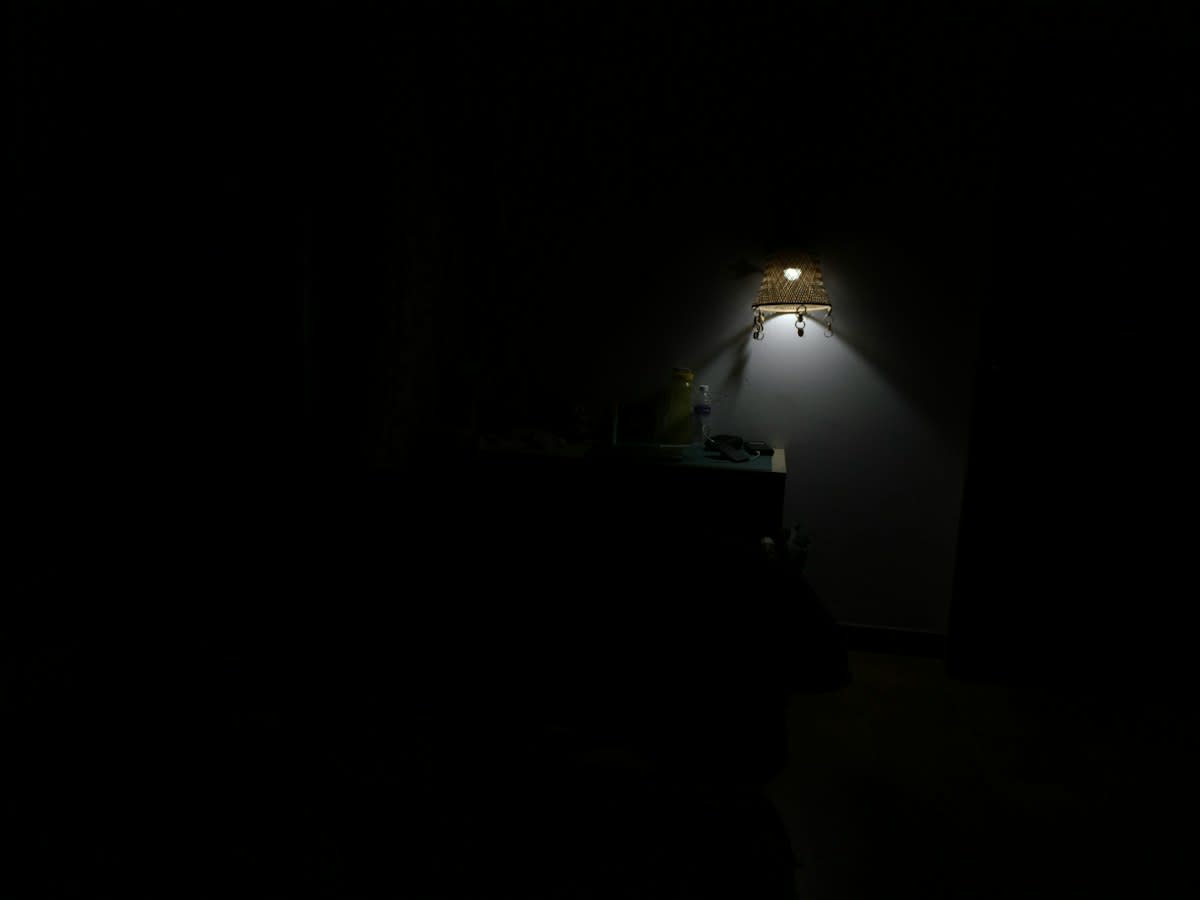
- Symbolic Frameworks: An understanding of smoke as the elusive and shadow as the lurking unknown (Source: Facebook, 2026).
- Historical Reference Points: Knowledge of Hindustani painting traditions and their meditation on disappearing local cultures (Source: MAP India, 2026).
Tactical Execution: The Four-Step Weave
Execution demands a precise sequence. The goal is to create a space where the visitor experiences the work through the body rather than the mind (Source: Asia Design Prize, 2026). This prevents the art from becoming mere decoration and forces a deeper engagement with the philosophy of decay. Each step must be rust-pitted with authenticity, avoiding the sterile perfection of digital simulation.
- Define the Intangible Core: Identify the specific ephemeral element. Use smoke to represent the elusive nature of life or shadows to represent the unknown (Source: Facebook, 2026).
- Layer the Sensory Environment: Integrate non-visual factors. This includes the movement of air, humidity, and scent to convey a density of time that drawings cannot represent (Source: Asia Design Prize, 2026).
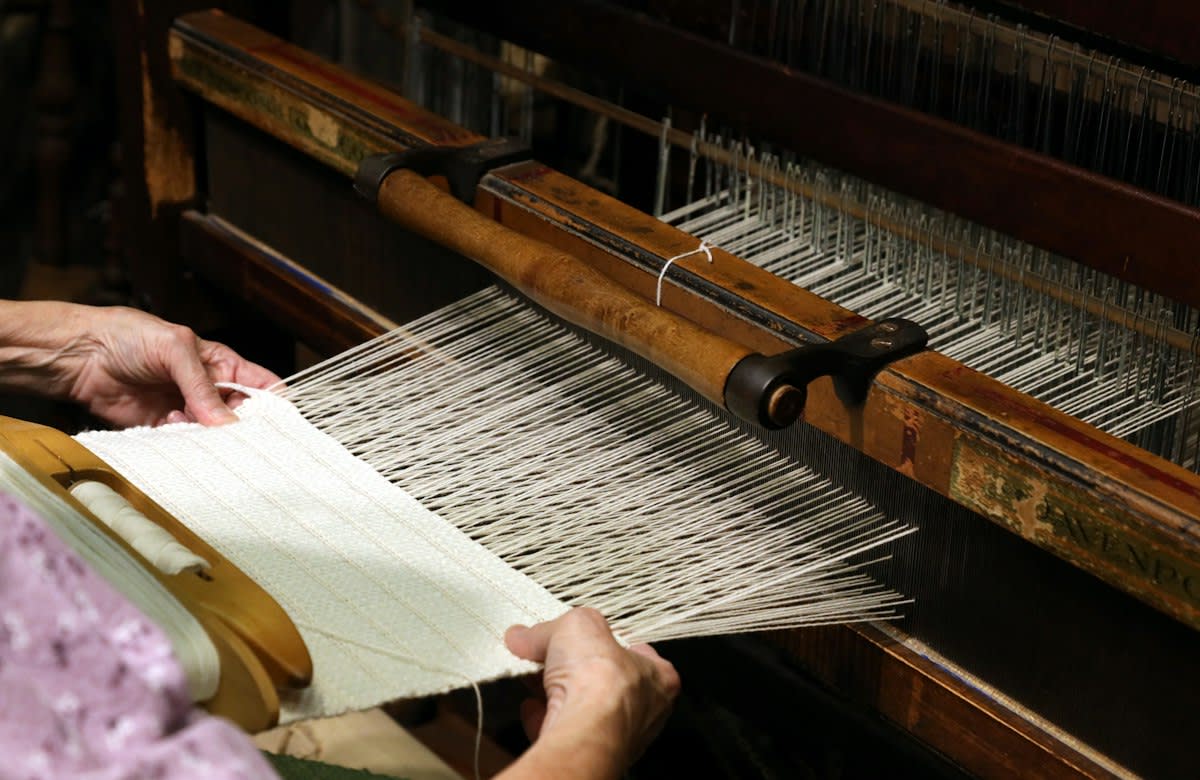
- Ground in Historical Tradition: Connect the ephemeral to a physical lineage. Reference the 1864 painting of Penelope by John Roddam Spencer Stanhope, where the loom symbolizes a patient, repetitive wait (Source: Psyche, 2026), or use Hindustani painting techniques to trace disappearing histories (Source: MAP India, 2026).
- Implement the Decay Trigger: Introduce elements of transformation. Use materials that oxidize or fade, mirroring the theme of Rust, Smoke: Ephemera, Decay & Transformation (Source: Instagram, 2026).
The friction in this process occurs when the artist attempts to freeze the smoke. True smoke-weaving accepts that the work is gone the moment it is perceived. This is the core of the sensory experience seen in the Orbit of Awareness project, which explores the relationship between cultural identity and wellbeing through spatial presentation (Source: DesignWanted, 2026). The artist must resist the urge to archive the experience, instead allowing it to haunt the space like an absent friend in a café.
"A designer’s role is not to consume tradition as attractive decoration, but to understand its culture and philosophy deeply and work with craftspeople to find new roles for established techniques in the present."— Asia Design Prize, 2026
Comparative Analysis: Static vs. Ephemeral Art
| Metric | Static Art (Traditional) | Smoke-Weave (Ephemeral) |
|---|---|---|
| Primary Medium | Pigment/Stone/Canvas | Air/Scent/Smoke |
| Temporal Goal | Permanence/Archival | Transience/Decay |
| Viewer Interaction | Visual Observation | Bodily Experience (Source: Asia Design Prize, 2026) |
| Symbolic Focus | Representation | Intangibility (Source: Facebook, 2026) |
This shift from the ocular to the somatic is a grease-slicked reality for the modern installation artist. In Bangkok 2026, the Sanctuary of Flavours exhibition demonstrated how Thainess can be explored through a spatial presentation of sensory experience (Source: DesignWanted, 2026). This is not about looking at a culture, but breathing it. The data suggests that people remember bodily experiences longer than mental understandings (Source: Asia Design Prize, 2026).
Failure Points and The Decorative Trap
Most attempts at sensory art fail by falling into the decorative trap. This happens when an artist uses smoke or scent as a superficial additive rather than a philosophical core. When tradition is consumed as attractive decoration, the work loses its cultural value and the field declines because no true successor to the technique is found (Source: Asia Design Prize, 2026). The result is a neon-burnt imitation of art that lacks the depth of genuine ephemerality.
- Failure Point 1: Over-reliance on visuals. If the work can be fully represented in a drawing, it is not smoke-weaving (Source: Asia Design Prize, 2026).
- Failure Point 2: Lack of historical grounding. Ignoring the traces of local cultures leads to a globalized, sterile output (Source: MAP India, 2026).
- Failure Point 3: Fear of decay. Attempting to preserve the ephemeral destroys the meaning of the work (Source: Instagram, 2026).
Editorial Note
The practitioner must embrace the risk of the work disappearing. The goal is to create a plenitude of being that exists only in the moment of interaction, effectively weaving the air into a memory.
Fact-Check & Accuracy Note
All data regarding the 2026 exhibitions in Knoxville and Bangkok are based on provided research dates. Symbolism of smoke as elusive is attributed to community discussions (Source: Facebook, 2026).