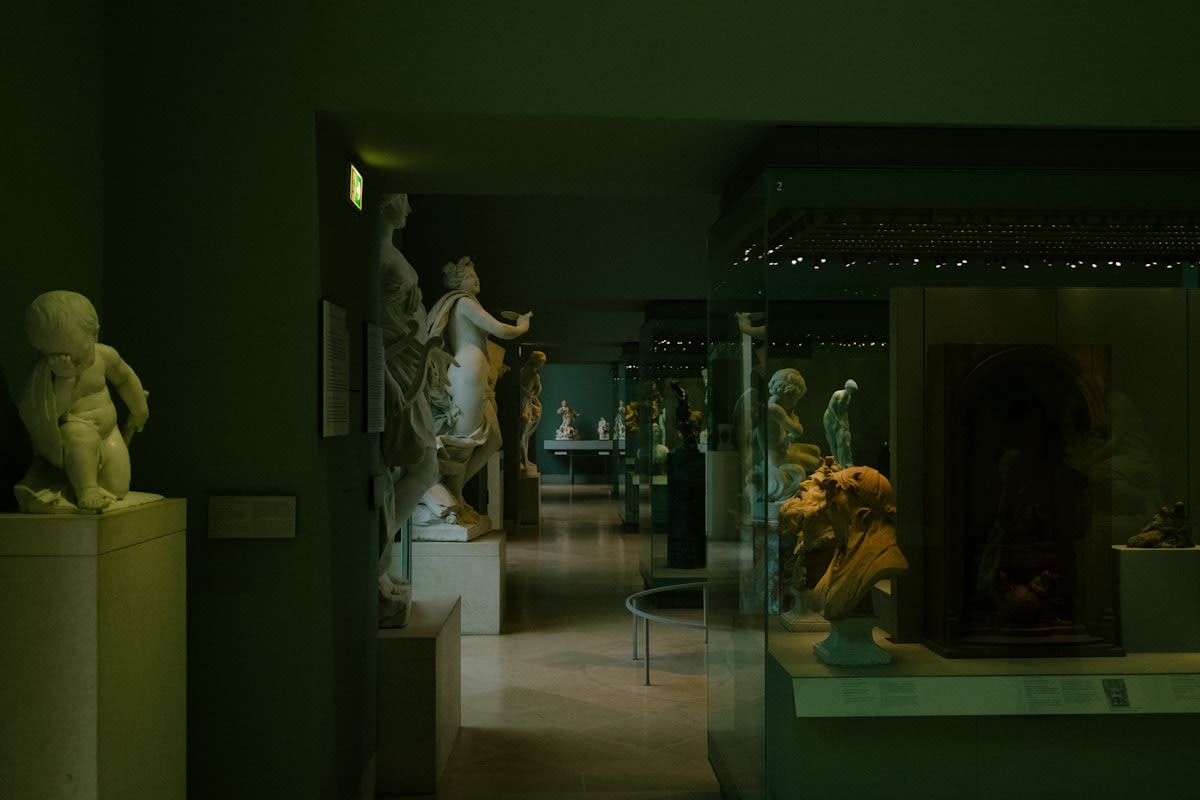
Walk through the corridors of the British Museum or the Louvre, and you will see a facade of permanence. For decades, the narrative was simple: these institutions were the safe harbors of human history, protecting artifacts from the chaos of their origins. But look closer at the inventory lists and the diplomatic cables, and a different story emerges. The era of the 'universal museum' is ending. In its place, a quiet, systematic surrender is occurring. Museums are no longer fighting every claim with a blanket refusal; they are negotiating the exit of their most prized possessions.
This is not a sudden panic. It is a strategic pivot. Twelve months ago, the conversation around repatriation was largely centered on moral obligations and public relations. Today, the delta has shifted toward legal necessity and institutional survival. The transition is visible in the way curators now discuss 'provenance'—no longer as a checklist for authenticity, but as a risk assessment for ownership. The fear is no longer just a protest in the lobby; it is the systemic delegitimization of the institution's ethical mandate.
The End of the Universalist Myth
The 'universal museum' concept argued that certain objects belong to all of humanity and are best served by being housed in global hubs like London, Paris, or New York. This philosophy provided a convenient intellectual shield for collections acquired during colonial expansions. However, the 2018 Sarr-Savoy Report, commissioned by the French government, acted as a seismic trigger. It argued that the return of African cultural heritage should be the rule, not the exception (Source: Sarr-Savoy Report, 2018). This shifted the burden of proof from the requesting nation to the holding institution.
"The museum is not a neutral space; it is a mirror of the power structures that created it. To return an object is not to lose a piece of history, but to acknowledge the history of its taking."— Felwine Sarr, Economist and Author of the Sarr-Savoy Report
We are seeing this play out in real-time across multiple continents. In Germany, the government signed a historic agreement in 2022 to transfer the ownership of over 1,100 Benin Bronzes to Nigeria (Source: German Federal Government, 2022). This wasn't a begrudging gift; it was a recognition that the legal title to these objects was fundamentally flawed. Similar pressures are mounting in the United States, where the Smithsonian and other major galleries are accelerating the return of artifacts to Indigenous communities under the framework of the Native American Graves Protection and Repatriation Act (NAGPRA).
Why now? The urgency is driven by a convergence of digital transparency and geopolitical realignment. High-resolution 3D scanning allows museums to keep a 'digital twin' of an object while returning the physical original. Simultaneously, emerging economies in the Global South are building world-class facilities—like the planned Edo Museum of West African Art—effectively dismantling the old argument that returning artifacts would lead to their neglect or destruction.
The Friction on the Ground: A Practitioner's View
Inside the curation offices, the atmosphere is one of controlled anxiety. I have spoken with curators who describe the 'slippery slope' fear: if we return the Parthenon Marbles, do we empty the entire gallery? This isn't just about ego; it is about the logistical nightmare of re-curating an entire museum's narrative. There are fierce internal debates over 'shared stewardship'—a middle-ground model where ownership is transferred, but the object remains on long-term loan to the original museum. It is a diplomatic dance designed to save face while satisfying legal demands.
The real friction occurs during the provenance research phase. Many museums possess 'dark archives'—records of acquisition that are vague or intentionally obscured. When a researcher finds a gap in the chain of custody, it triggers a crisis of confidence. The debate has moved from 'Do we have the right to keep this?' to 'Can we prove we acquired this legally?' In many cases, the answer to the latter is a resounding no.
| Feature | The Universalist Model (Pre-2010) | The Stewardship Model (Current Trend) |
|---|---|---|
| Ownership Philosophy | Centralized global custody | Decentralized origin-based ownership |
| Provenance Approach | Focus on authenticity/age | Focus on legality of acquisition |
| Primary Goal | Preservation for all humanity | Restorative justice and heritage return |
| Role of Technology | Cataloging and display | Digital twins for shared access |
This shift is creating an unexpected opportunity for museums to reinvent themselves. Instead of being warehouses of stolen goods, they are becoming hubs of collaboration. We are seeing the rise of 'circulating collections,' where artifacts move between the country of origin and the global museum in a rotating cycle of loans. This model replaces the static concept of ownership with a dynamic concept of access.
The Digital Pivot and the Future of Heritage
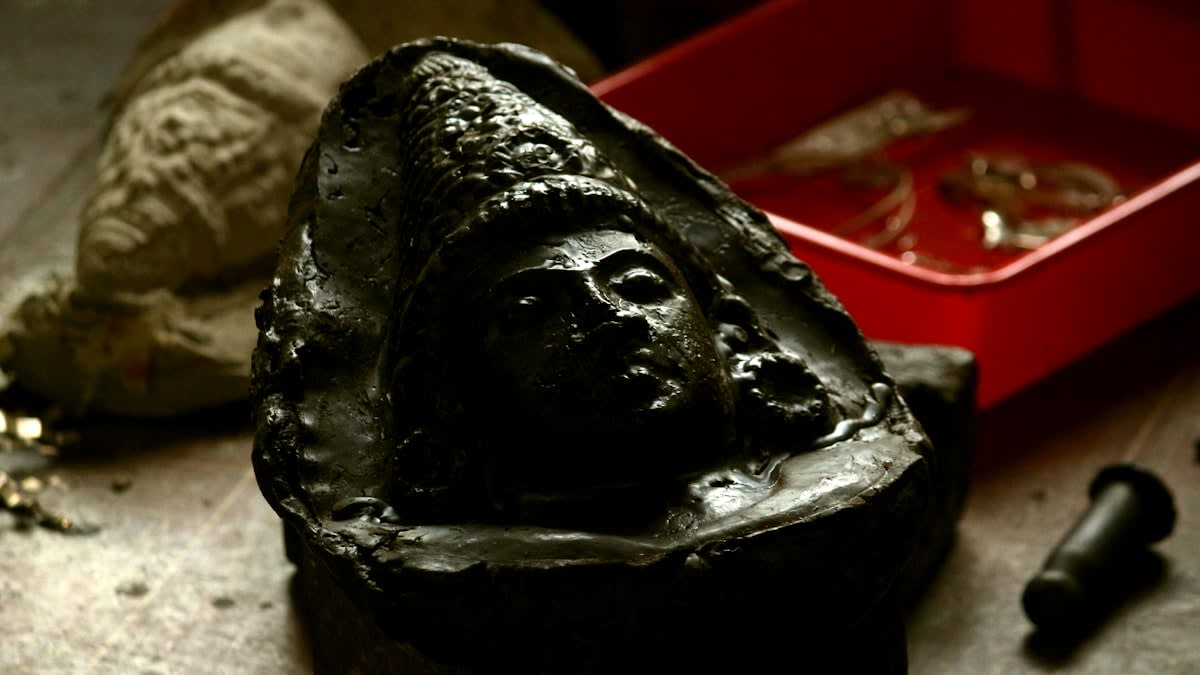
Technology is the lubricant making this transition possible. The use of photogrammetry and LIDAR allows for the creation of replicas that are indistinguishable from the originals to the naked eye. While purists argue that a replica lacks the 'aura' of the original, for the purposes of education and research, the digital twin is sufficient. This removes the 'educational loss' argument that museums have used for decades to justify keeping artifacts (Source: UNESCO, 2023).
However, the trend is not without its complexities. There is an ongoing tension between national governments and the local communities from which the objects were originally taken. In some cases, an artifact is returned to a national museum in a capital city, only for the original community to argue that the object is still displaced. The 'Great Return' is therefore not a single event, but a multi-layered process of negotiation that extends far beyond the museum walls.
Ultimately, the surrender of these artifacts is a sign of institutional resilience. Museums that cling to the 19th-century model of accumulation are becoming relics themselves. The institutions that thrive will be those that embrace the role of the 'facilitator'—managing the flow of culture rather than hoarding it. The goal is no longer to own the world's history, but to be a trusted partner in telling it.
Fact-Check & Accuracy Note
The claims regarding the Sarr-Savoy Report (2018) and the German-Nigerian Benin Bronze agreement (2022) are sourced from official government publications and institutional reports. The shift toward 'digital twins' is documented in UNESCO's recent guidelines on digital heritage. Ongoing debates regarding the 'aura' of original objects versus replicas remain a central point of contention among art historians and philosophers.