Bengaluru to get 4,900 new garbage collection vehicles with higher capacity
Source Entity
India Latest News: Top National Headlines Today & Breaking News | The Hindu
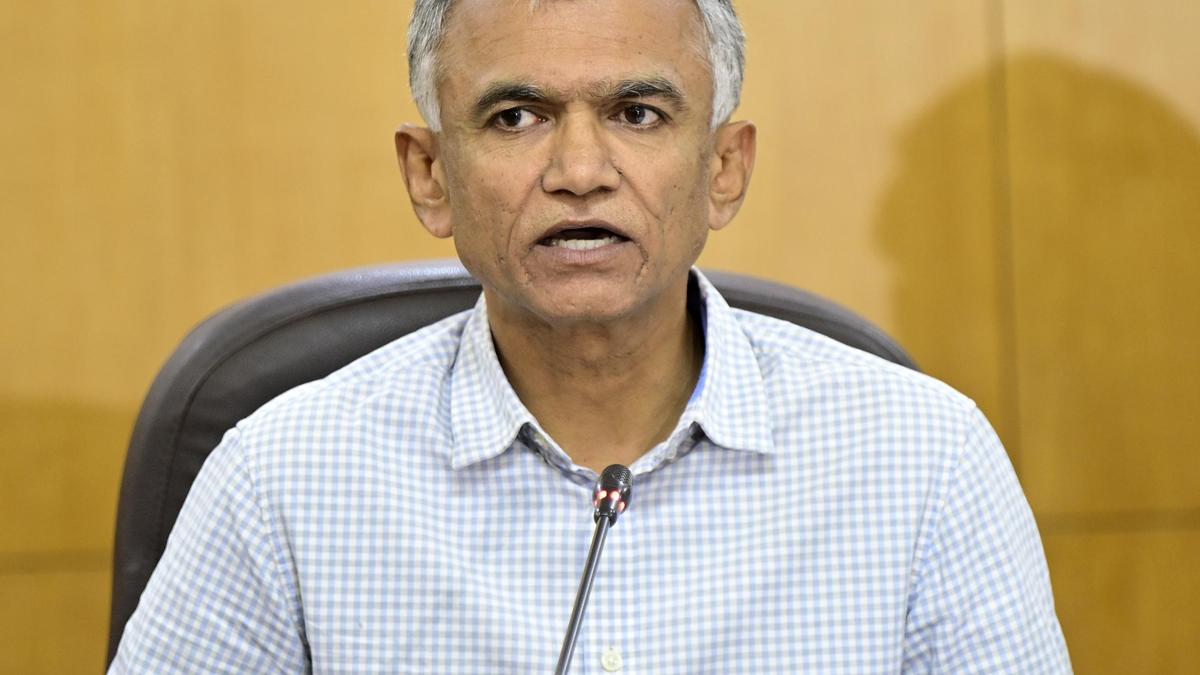
The Bengaluru civic body is replacing its garbage collection fleet with 4,900 high-capacity, GPS-enabled vehicles. This initiative aims to enhance waste management efficiency and ensure full coverage across assigned city sectors.
Modernizing Waste Management in Bengaluru
Bengaluru, often referred to as India's Silicon Valley, is undertaking a significant overhaul of its urban sanitation infrastructure. The State Cabinet has officially approved the acquisition of 4,900 new garbage collection vehicles, marking a critical transition from an aging fleet to a more robust, high-capacity system. This development is not merely an equipment upgrade but a strategic move to address the logistical challenges inherent in managing waste for a rapidly expanding metropolitan population.
Integrating Technology for Accountability
A cornerstone of this new initiative is the mandatory integration of Global Positioning System (GPS) technology into every new vehicle. By equipping the fleet with real-time tracking, the Bengaluru city civic body aims to eliminate service gaps. Historically, manual monitoring of waste collection has been prone to inefficiencies; however, with GPS oversight, authorities can verify that collection vehicles are traversing all assigned routes and adhering to designated schedules, thereby ensuring no neighborhood is neglected.
Strategic Tendering and Administrative Progress
The implementation of this fleet overhaul is structured through a series of 33 distinct tender packages. The State Cabinet’s recent approval of 10 new packages, coupled with the five approved two months prior and the ongoing bid process for another eight, demonstrates a phased and methodical approach to restructuring the city's waste management ecosystem. This fragmentation into smaller packages suggests an effort to encourage competitive bidding and ensure operational continuity across different zones of the city.
Addressing Capacity and Efficiency
The shift toward vehicles with higher carrying capacity reflects a proactive response to the increasing volume of solid waste generated in Bengaluru. As urban density increases, the strain on existing collection infrastructure becomes more pronounced. These new, larger vehicles are designed to optimize the collection process, reducing the frequency of trips to transfer stations and allowing for more efficient logistical cycles, which is essential for maintaining the city's cleanliness standards.
Future Implications for Urban Governance
This initiative highlights a broader trend in Indian urban governance, where technology-driven transparency is becoming a prerequisite for public service delivery. By tying the procurement of assets to strict monitoring mandates, the Bengaluru administration is setting a precedent for accountability in civic maintenance. The success of this rollout will likely serve as a blueprint for other major Indian cities struggling with similar waste management hurdles, emphasizing the necessity of combining hardware upgrades with digital verification tools.
Conclusion
In summary, the decision to modernize Bengaluru’s garbage collection fleet represents a vital step toward sustainable urban management. Through the deployment of 4,900 high-capacity, GPS-tracked vehicles, the civic body is positioning itself to handle the city's waste more effectively. With the procurement process well underway, the effective integration of these assets will be the next critical phase in delivering improved sanitation services to the residents of Bengaluru.
Verification Required?