US midterms: How a Congress flip in the election could affect India, H-1B visas and trade
Source Entity
Nischai Vats
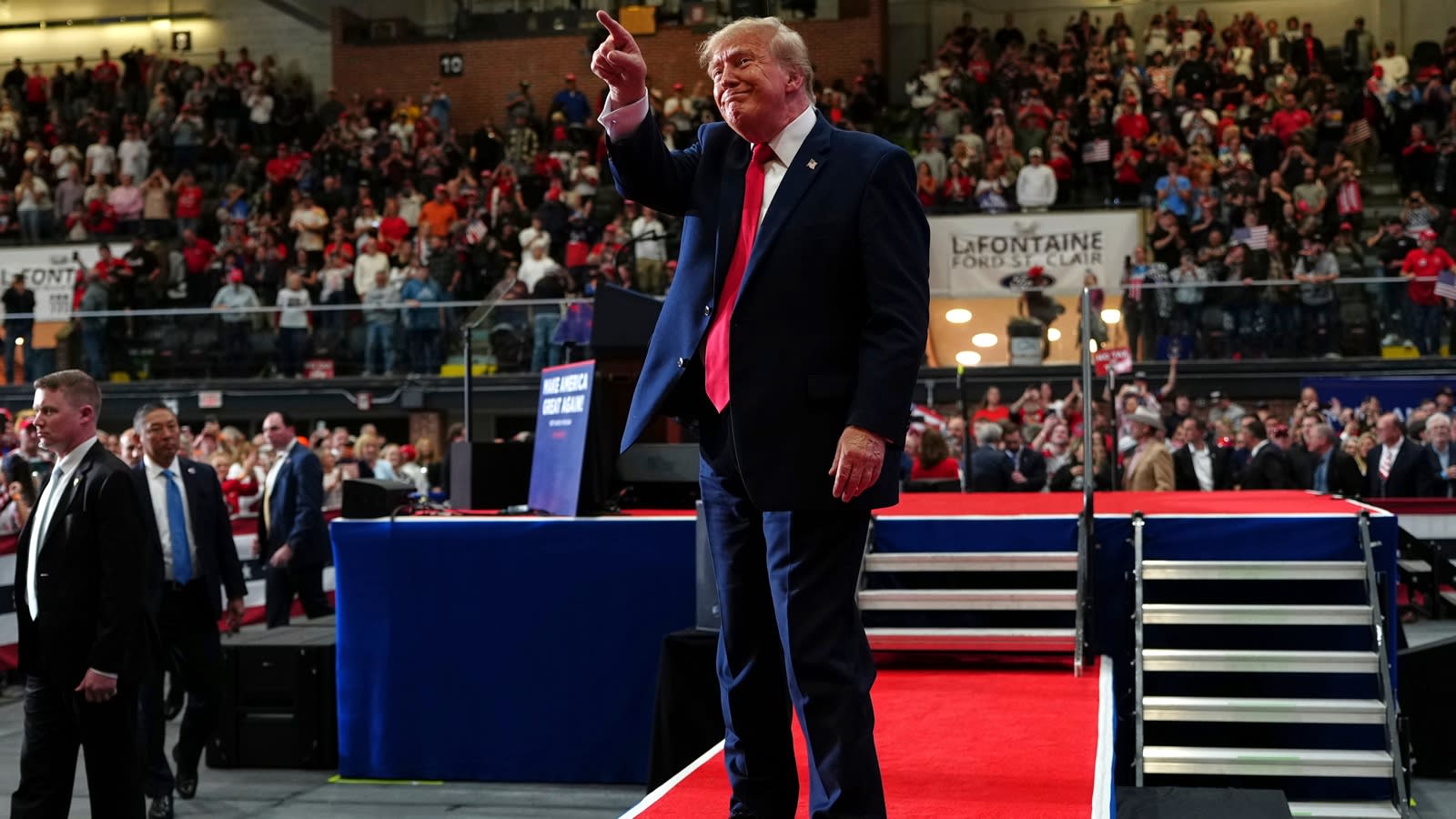
The upcoming November 3 US midterm elections present a pivotal moment for US-India relations, impacting H-1B visa policies and trade. While Indian-Americans lean toward Democratic candidates, shifting political loyalties and growing exhaustion with both parties complicate the traditional alignment.
The Strategic Stakes of the US Midterm Elections
The November 3 midterm elections represent a critical juncture for the remainder of President Donald Trump’s term. With the balance of power in both the House of Representatives and the Senate at stake, the electoral outcome will dictate the legislative landscape for the next two years. For stakeholders in India, these results are particularly significant, as they could influence key policy areas ranging from H-1B visa regulations to broader bilateral trade agreements.
Potential Legislative Shifts and Executive Power
Should the Democratic Party secure a victory in either chamber, the immediate consequence would be a heightened level of congressional oversight regarding the current administration’s agenda. This scrutiny would likely extend to trade and immigration policies, which are central to the Indian diaspora's interests. However, it is essential to recognize the limits of this shift; even if Democrats capture both chambers, the President retains significant executive authority. While Congress can obstruct or influence funding and legislation, the executive branch maintains the power to veto, ensuring that foreign policy remains largely under the President's purview.
The Indian-American Political Paradox
Despite a notably high disapproval rating of President Trump—reaching 82% among Indian-Americans—the community's relationship with the Democratic Party is becoming increasingly nuanced. Historically, Indian-Americans have been a reliable Democratic voting bloc, but recent data reveals a six-year decline in strict party identification. This shift suggests that the community is moving toward a more pragmatic or independent stance rather than blind party loyalty.
Drivers of Political Exhaustion
Several factors contribute to this evolving political landscape. There is growing evidence of 'political exhaustion' among voters, coupled with a palpable dissatisfaction with the binary choice offered by the two-party system. While polling indicates that Indian-Americans still favor Democratic platforms on economic issues and congressional races, the waning enthusiasm for the party establishment indicates that future engagement may be driven more by specific policy outcomes than by traditional institutional alignment.
Implications for Future Policy
As the US moves toward the midterms, the intersection of domestic political shifts and foreign policy interests remains fluid. The Indian-American community, as a growing and influential demographic, stands at the center of this transition. Whether the midterm results lead to gridlock or legislative action, the long-term trends of political independence within this group suggest that both US parties will need to work harder to secure support, moving beyond historical assumptions to address specific concerns regarding immigration, trade, and economic stability.
Conclusion
The upcoming election is not merely a referendum on the current administration; it is a signal of shifting political tides within the American electorate. For India, the primary takeaway is that while the legislative environment may change, the resilience of executive power and the evolving nature of immigrant political engagement mean that the future of US-India relations will be defined by a complex, multi-layered interaction between changing congressional priorities and stable executive objectives.