
Connectivity is no longer a perk; it is a commodity. For the global elite, the ability to be reached at all times has transitioned from a sign of importance to a mark of servitude. We are witnessing a systemic pivot where the most expensive real estate on earth is being redesigned to actively repel the digital signal. This is not a Luddite reaction or a quaint longing for the past. It is a calculated strategic move. By designing out the digital, architects and developers are creating a new class of asset: the Opacity Premium.
The Paradox of Ubiquity
Why would the people who funded the digital revolution now pay to escape it? The answer lies in the devaluation of the accessible. When every square inch of a city is blanketed in 5G and every interaction is mediated by a screen, the only remaining scarcity is silence and invisibility. The strategic analyst sees this as a classic market correction. As digital noise reaches a saturation point, the value of 'dark spaces'—environments where data cannot penetrate—skyrockets. We are seeing a move away from the 'Smart Home' toward the 'Sovereign Home,' where the primary goal is the protection of the occupant's cognitive attention.
This shift manifests in a deliberate introduction of friction. In the previous decade, luxury was defined by seamlessness—the app that opens the door, the voice-activated lighting, the frictionless check-in. Today, friction is the new filter. Exclusive spaces are reintroducing human intermediaries and analog protocols precisely because they slow things down. A physical guestbook, a hand-delivered invitation, or a requirement to surrender a device at the door serves as a psychological signal. It tells the guest that they have entered a zone where the rules of the attention economy no longer apply.
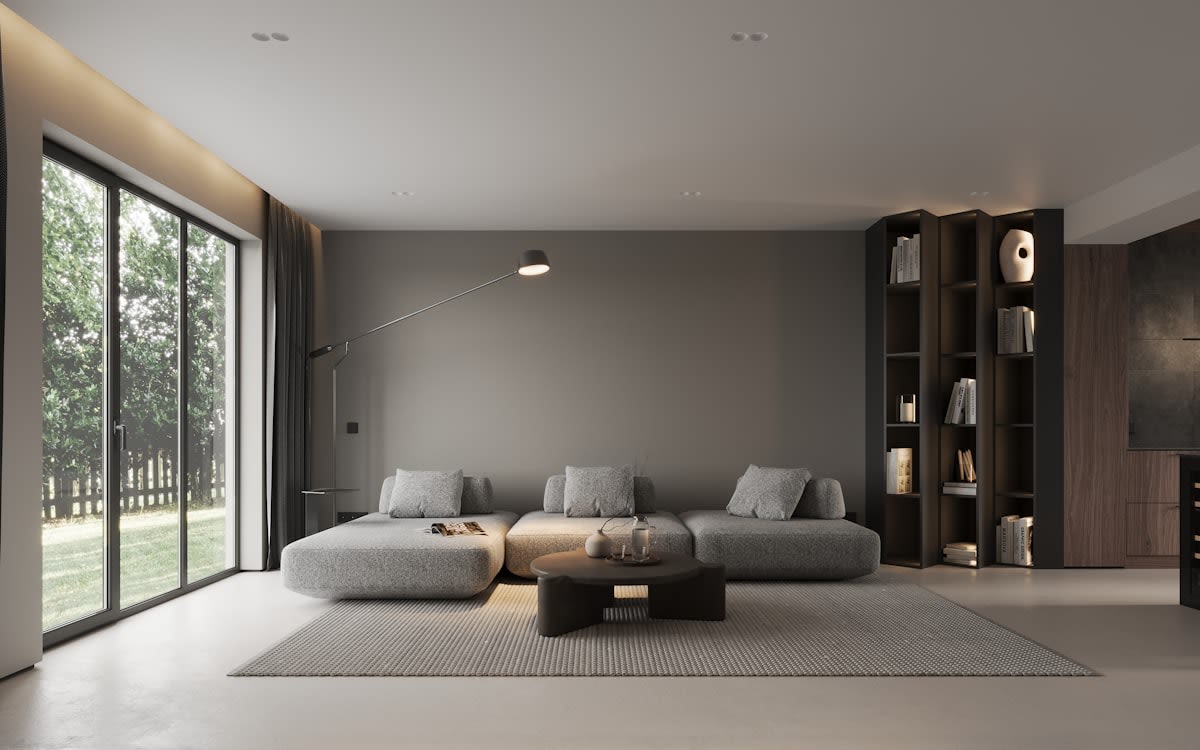
Across the globe, this trend is taking distinct regional forms. In Tokyo, a new wave of 'hidden' listening bars and members-only salons are utilizing signal-shielding materials in their walls to ensure that the auditory experience remains undisturbed by notifications. In the GCC region, the traditional Majlis is being reimagined not just as a social space, but as a tech-free sanctuary where the cultural emphasis on presence is reinforced by architectural barriers to connectivity. Meanwhile, in London and New York, ultra-prime residential developments are increasingly offering 'digital detox' suites—rooms designed as Faraday cages to block all external electromagnetic frequencies.
"The most expensive thing you can buy in the 21st century is the certainty that you are not being tracked, tracked, or interrupted. Privacy was once about hiding your secrets; now, it is about reclaiming your focus."— Analyst on Analog Sovereignty
This is a fundamental redesign of the relationship between the user and the environment. We are moving from an era of 'Integrated Technology' to 'Intentional Absence.' The goal is no longer to hide the technology behind a panel, but to remove it from the equation entirely. This creates a vacuum that is filled by sensory grounding—heavy linens, raw stone, the scent of real cedar, and the sound of actual silence. The luxury is not in the material itself, but in the mental space that the absence of technology allows the occupant to occupy.
| Metric | Digital Luxury (2015) | Opacity Luxury (2025) | Strategic Value Driver |
|---|---|---|---|
| Connectivity | Ubiquitous Wi-Fi/IoT | Signal-Shielded Zones | Cognitive Sovereignty |
| Access | App-based booking | Human-mediated entry | Exclusivity via Friction |
| Ambience | Integrated Screens | Tactile/Analog Materials | Sensory Grounding |
| Privacy | Encrypted Data | Physical Isolation | Absolute Opacity |
The economic implications of this shift are profound. Data suggests a growing divergence in property valuations. Ultra-high-net-worth (UHNW) residential projects are seeing a 12% increase in specifications for 'analog-only' zones. In the hospitality sector, a 40% premium is now being commanded by retreats that can guarantee a total digital blackout. This is not merely a niche preference; it is a systemic reallocation of value. The market is pricing in the psychological cost of constant connectivity and offering a premium for its removal.
The Friction Hypothesis
The 'Friction Concept' posits that as AI makes most of life effortless, the human psyche will crave the resistance of the physical world. Luxury will be defined by the things that are intentionally difficult to do.
Does this create a new form of inequality? Certainly. We are transitioning from a digital divide—where the gap was based on who had access to technology—to a presence divide. In this new hierarchy, the lower and middle classes remain tethered to their devices for work and socialization, while the elite pay for the privilege of disconnecting. The ability to be offline is becoming the ultimate status symbol. It signals that one has enough power and autonomy to ignore the digital stream without facing economic or social penalty.
Architecturally, this requires a return to substance. The 'glass box' aesthetic of the early 2000s, which mirrored the transparency and openness of the early internet, is being replaced by heavier, more opaque structures. Thick walls, deep recesses, and internal courtyards that naturally dampen signals are returning to favor. The design language is shifting from 'transparency' to 'containment.' The space is no longer a conduit for information; it is a fortress against it.
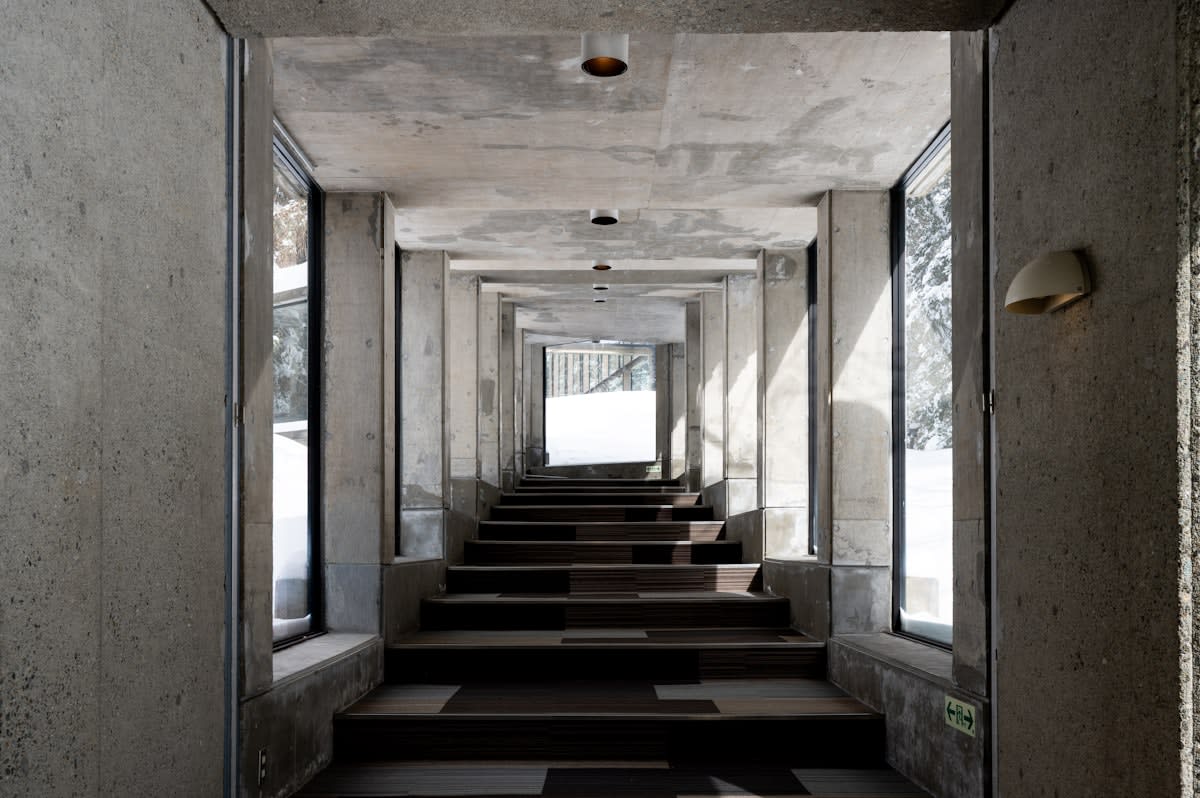
The long-term trajectory suggests that 'Opacity' will become a standard requirement for high-end commercial real estate as well. Boardrooms and executive suites are already seeing a resurgence of 'no-device' policies, supported by architecture that makes device use inconvenient. The strategic goal is the restoration of deep work and high-level synthesis, both of which are impossible in a state of constant interruption. When the cost of distraction becomes higher than the cost of the infrastructure required to block it, the shift becomes permanent.
Ultimately, the Opacity Premium is about the reclamation of the human experience. By designing out the digital, these spaces are not rejecting progress; they are recognizing that progress without a pause is merely acceleration toward burnout. The most exclusive spaces of the future will not be the ones with the fastest internet, but the ones where the internet cannot find you. The strategic victory belongs to those who can curate the void.