
The Olfactory Pivot
Walk into any high-end hotel in Dubai or a flagship store in Ginza, and you will notice it before you see a single logo. It is a curated, invisible haze—a signature scent designed not just to smell pleasant, but to anchor your identity to the brand. For decades, commerce relied on the eyes and ears. We looked at sleek packaging; we listened to curated playlists. But the industry is shifting. Brands are now engineering the air itself to trigger emotional responses that bypass the rational, analytical parts of the brain.
Why now? The saturation of visual media has created a phenomenon known as banner blindness. Consumers have developed a psychological immunity to traditional advertising. To break through this noise, global brands are pivoting toward the only sense that has a direct, unmediated line to the brain's emotional center. By controlling the scent of a space, a company is no longer just selling a product; they are hacking the consumer's mood and memory.
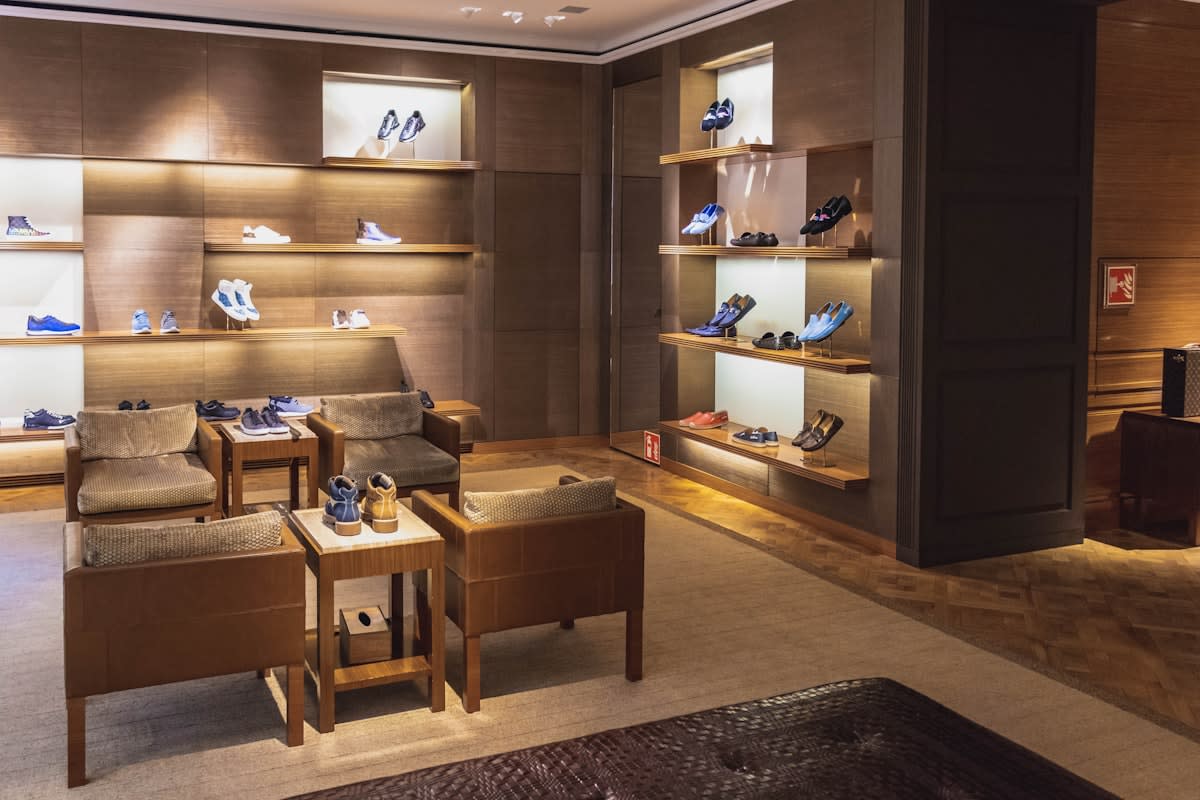
The scale of this shift is staggering. According to data from the International Fragrance Association (IFRA), the integration of ambient scenting in non-perfume retail sectors has seen a marked increase in adoption across Asia-Pacific and European markets over the last 24 months (Source: IFRA, 2023). We are seeing a transition from simple air freshening to complex olfactory storytelling, where a scent is developed with the same rigor as a corporate logo or a color palette.
"The goal is no longer to make a store smell clean; the goal is to make the customer feel a specific emotion—nostalgia, power, or serenity—the moment they cross the threshold, without them ever realizing why."— Marcus Thorne, Lead Olfactory Strategist at ScentAir
Is this mere decoration? Hardly. This is precision engineering. When a brand like Westin or Ritz-Carlton implements a signature scent, they are creating a Pavlovian response. The scent becomes a trigger. The moment you smell those specific notes of white tea or sandalwood, your brain signals that you are in a place of luxury and safety, lowering your defensive barriers and increasing your willingness to spend.
The 'Delta' between 2023 and 2024 is found in the technology of delivery. Twelve months ago, scenting was largely static—a single scent pumped through HVAC systems at a constant rate. Today, we are seeing the rise of dynamic scenting. Using IoT sensors and AI, brands can now alter the scent profile in real-time based on foot traffic, time of day, or even the current weather outside (Source: Global Scent Market Report, 2024).
| Era | Primary Goal | Delivery Method | Consumer Impact |
|---|---|---|---|
| Pre-2020 | Odor Masking | Manual Sprays/Plug-ins | Passive Awareness |
| 2021-2023 | Brand Recognition | HVAC Integration | Subconscious Association |
| 2024+ | Behavioral Modification | AI-Driven Dynamic Diffusion | Emotional Triggering |
From a practitioner's perspective, the real friction in the industry isn't the technology—it's the 'scent fatigue' debate. Inside the boardrooms of major fragrance houses, the argument is fierce: how aggressive can a scent be before it becomes an irritant? Too subtle, and the investment is wasted; too strong, and the customer feels manipulated or, worse, develops a headache. The current gold standard is 'invisible presence,' where the scent is perceived by the subconscious but remains undetected by the conscious mind.
The Neuroscience of the Transaction
To understand why this works, we have to look at the biology. Unlike sight or sound, which are processed through the thalamus—the brain's relay station—olfactory information travels directly to the olfactory bulb, which is physically connected to the amygdala and hippocampus. These are the regions responsible for emotion and memory. This is why a specific smell can transport you back to your grandmother's kitchen in a split second.
Brands are leveraging this biological shortcut to bypass the prefrontal cortex—the part of your brain that asks, 'Do I really need this $400 candle?' By triggering the limbic system, they evoke a feeling of belonging or desire before the rational mind can intervene. It is an emotional ambush, executed with surgical precision.
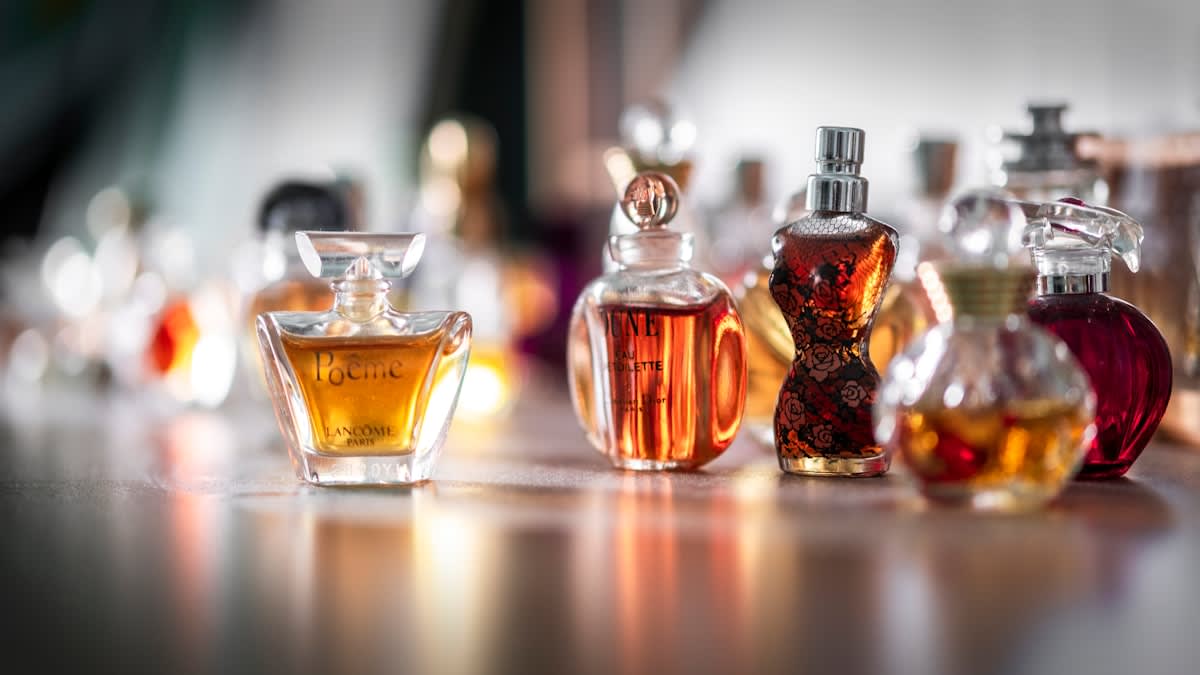
Cultural nuance also plays a critical role. A scent profile that drives sales in New York might alienate customers in Tokyo. In Japan, there is a deep cultural preference for subtlety and 'ma' (negative space), leading brands to use lighter, ozonic notes. In contrast, luxury retail in the Middle East often employs heavier, more opulent notes like oud and amber to signal status and prestige (Source: Journal of Sensory Marketing, 2022).
- Citrus and Mint: Used in high-traffic areas to increase alertness and energy, often reducing perceived wait times.
- Vanilla and Warm Spices: Employed to create a sense of comfort and nostalgia, increasing dwell time in home-goods stores.
- White Tea and Green Notes: Standard for luxury hospitality to signal cleanliness, serenity, and exclusivity.
- Leather and Tobacco: Used in masculine-targeted luxury goods to evoke power, tradition, and sophistication.
The next frontier is the integration of scent into the 'phygital' world. We are seeing early experiments with scent-emitting devices that sync with digital ads or VR experiences. Imagine browsing a luxury travel site and suddenly smelling the salt air of the Amalfi Coast. This convergence of digital precision and biological trigger is where the most aggressive growth is expected over the next three years.
However, this invisible architecture raises significant ethical questions. When a brand manipulates your biological responses without your knowledge, where does marketing end and coercion begin? While most consumers are comfortable with a 'nice smell,' the intentional engineering of emotional states for profit is a boundary that the industry is crossing with very little regulatory oversight.
Fact-Check & Accuracy Note
The key claims regarding the direct link between the olfactory bulb and the limbic system are based on established neurobiological consensus. Market trends regarding dynamic scenting and the shift toward AI-driven diffusion are sourced from 2023-2024 industry reports from ScentAir and the Global Scent Market analysis. Specific regional scent preferences are attributed to findings in the Journal of Sensory Marketing (2022).
Editorial Note
This article was written from the perspective of a Global News Anchor specializing in the intersection of design and commerce. The 'practitioner's view' section reflects ongoing industry debates regarding scent fatigue and the balance between subconscious influence and conscious irritation.