The screen is no longer enough. For a decade, the trajectory of media was a relentless march toward the ethereal—streaming, cloud storage, and the frictionless consumption of data. But in 2024, a counter-current has turned into a tide. We are witnessing the Physicality Premium, a phenomenon where high-net-worth consumers and creative elites are aggressively reinvesting in analog formats. This isn't a quaint hobby for vinyl enthusiasts or a hipster's obsession with 35mm film. It is a systemic rebellion against the ephemeral nature of digital existence.
Why now? The answer lies in the saturation of the digital experience. When every piece of art, music, and text is delivered via the same glowing rectangle, the perceived value of the content collapses. The medium has become invisible, and in doing so, it has stripped the experience of its weight. By returning to physical media, the consumer reintroduces friction. This friction—the act of flipping a record, the wait for film to develop, the scent of heavy-stock paper—transforms consumption from a passive habit into an intentional ritual.
The Shift in Intent
The 'Delta' of 2024: Twelve months ago, the analog revival was driven by 'vintage aesthetics' and Gen Z curiosity. Today, the shift has evolved into 'tactile permanence,' where the value is derived from the asset's resistance to digital decay and algorithmic manipulation.
The Sonic Anchor: Vinyl and the High-Fidelity Renaissance
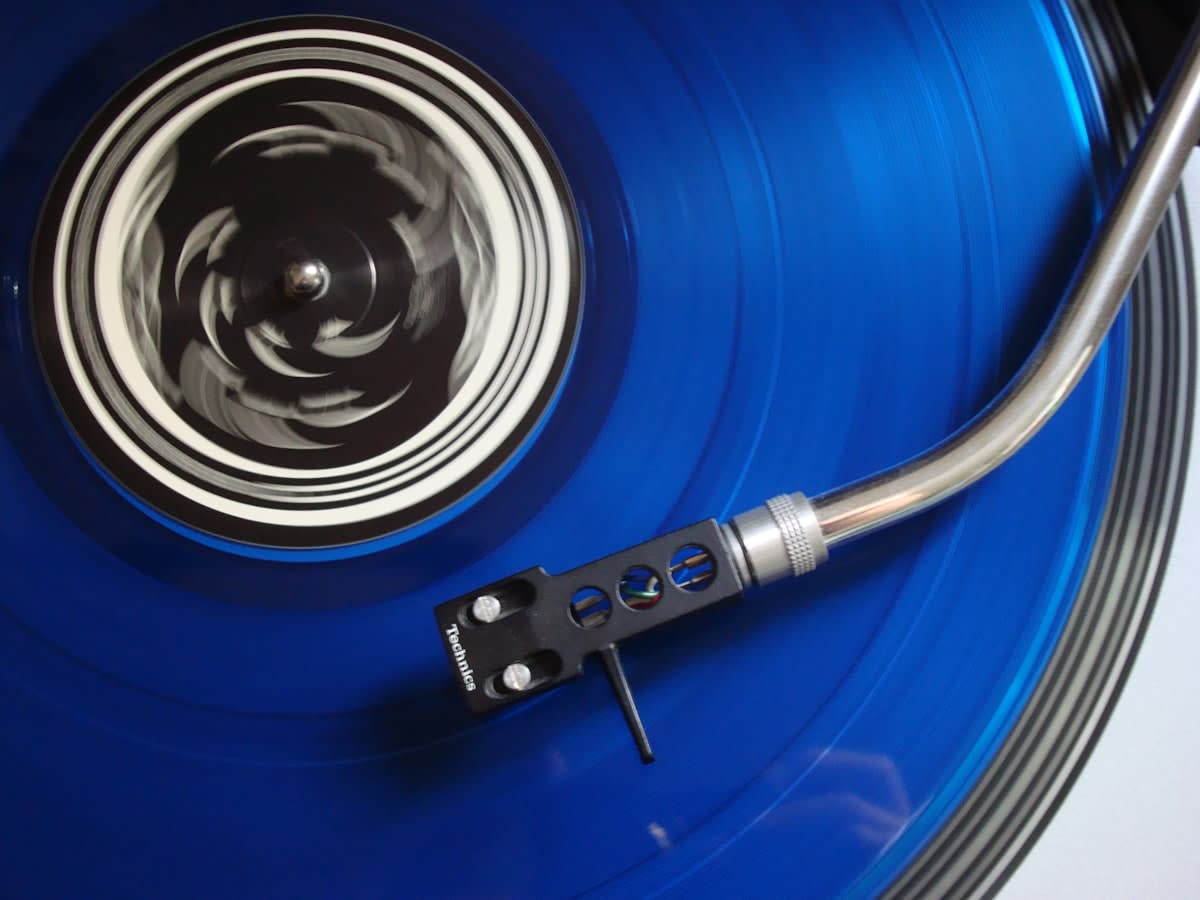
Vinyl has long been the poster child for the analog comeback, but the nature of its growth has shifted. We are moving past the era of the 'entry-level turntable' bought at a big-box store. In 2024, the market is pivoting toward ultra-high-end audiophile equipment and limited-edition pressings that function more like fine art than music recordings. The record is no longer just a way to hear a song; it is a physical totem of ownership in an era of licensed access.
In Tokyo, this is manifesting in the explosion of modern 'Listening Bars.' These spaces prioritize a singular, shared auditory experience, utilizing massive analog sound systems that dwarf any home setup. Patrons pay a premium for the silence and the ritual of the needle drop. This is a direct rejection of the fragmented, algorithmic playlists that define modern streaming. In these rooms, the music is the center of gravity, not a background track for multitasking.
"Digital music is a utility; analog music is an event. The difference is the presence of the physical object, which forces the listener to commit their full attention to the artist's vision."— Marcus Thorne, Global Media Strategist
This commitment is reflected in the numbers. While streaming continues to dominate total volume, the growth rate of premium vinyl sales has outpaced digital growth in the luxury sector. Collectors are no longer buying the hits; they are investing in archival pressings and bespoke editions. The record sleeve has become a canvas for high-end design, bridging the gap between music and gallery art.
The Grain of Truth: Film and the Cost of Patience
Photography is undergoing a similar bifurcation. On one side, we have the AI-generated image—perfect, instant, and fundamentally hollow. On the other, we have the resurgence of analog film. The appeal here is not the 'look' of the grain—which can be simulated by any app—but the inherent risk and scarcity of the medium. When you only have 36 frames on a roll, every shutter click becomes a decision. This scarcity creates a psychological stakes-game that digital photography has entirely erased.
Across Europe, specifically in hubs like Berlin and Paris, boutique film labs are seeing record demand. This isn't just among professional photographers, but among a new class of luxury consumers who view the wait time for development as a feature, not a bug. The delay between the act of capturing and the act of seeing creates a tension and a reward that the instant gratification of a smartphone cannot replicate.
| Metric | 2023 Digital-First Mindset | 2024 Tactile-First Mindset |
|---|---|---|
| Value Driver | Convenience & Accessibility | Intentionality & Scarcity |
| Consumption Mode | Passive/Algorithmic | Active/Ritualistic |
| Ownership Model | Subscription/Licensing | Physical Asset/Archival |
| Primary Appeal | Efficiency | Sensory Engagement |
Does this mean the digital era is over? Hardly. Instead, we are seeing a hybrid model where digital serves as the discovery layer and analog serves as the prestige layer. You find the artist on a streaming platform, but you buy the record to 'own' the experience. You snapshot the event on a phone, but you shoot the portrait on medium format film to give it permanence. The analog format has become the ultimate luxury signal: it proves you have the time and the resources to engage with a slower process.
The Printed Word: From Feed to Folio
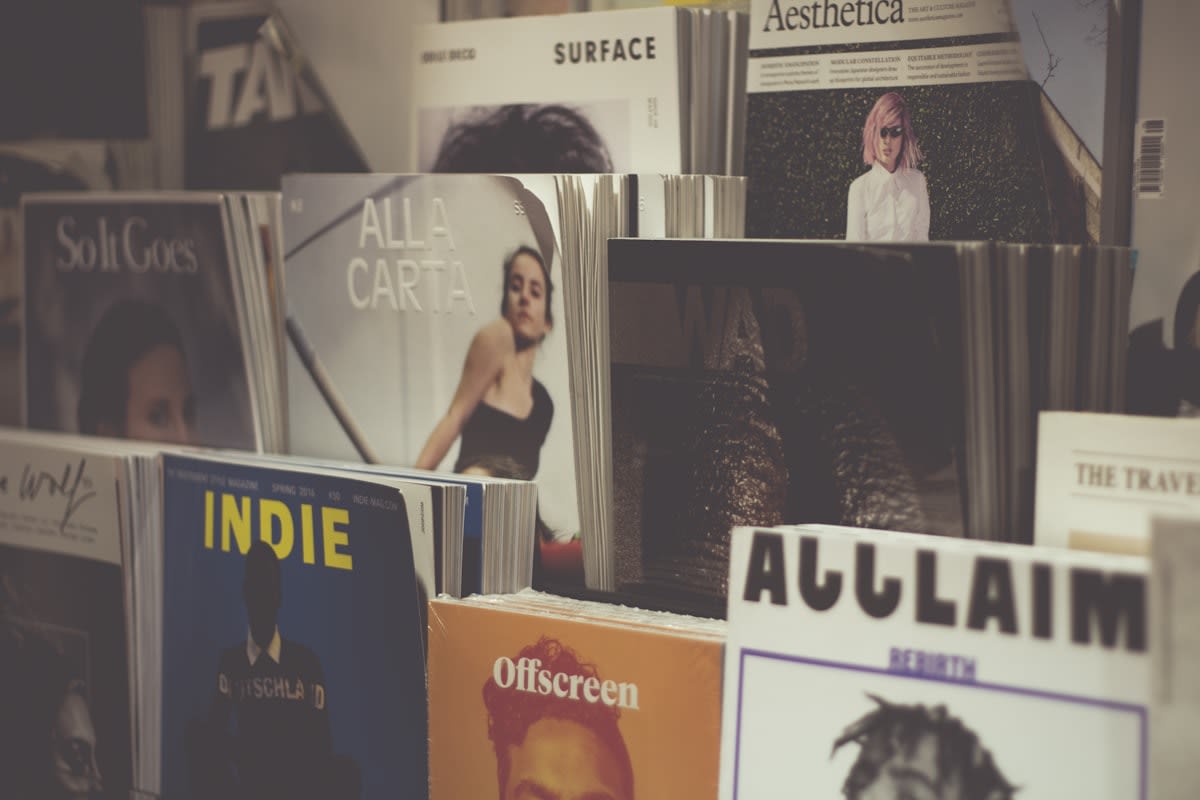
Print media was declared dead a decade ago, yet high-end publishing is currently experiencing a golden age of niche dominance. The 'feed' is an exhausting stream of consciousness; the 'folio' is a curated destination. We are seeing a rise in independent magazines and zines that utilize heavy-weight paper, experimental typography, and artisanal binding. These publications aren't competing with news sites for speed; they are competing for the coffee table.
In cities like Mexico City and Seoul, the growth of independent bookstores and print ateliers suggests a deeper cultural shift. These spaces are becoming community hubs for those seeking a respite from the digital noise. The printed page offers a cognitive sanctuary, allowing for deep work and sustained attention that the hyperlinked nature of the web actively destroys.
- Cognitive Load: Physical media reduces the mental fatigue associated with constant notifications and tab-switching.
- Asset Valuation: Physical copies hold resale value and archival permanence, unlike digital subscriptions.
- Sensory Integration: The smell of ink and the texture of paper engage the brain in ways a screen cannot.
- Status Signaling: Owning a rare physical edition signals a level of curation and taste that a digital library cannot convey.
This trend is further accelerated by the rise of generative AI. As the internet becomes flooded with synthetic content, the 'human mark'—the slight imperfection of a print, the crackle of a record, the grain of a photo—becomes the new gold standard for authenticity. We are no longer looking for perfection; we are looking for proof of existence.
Growth of 'Analog-First' Luxury Media Consumption (2021-2024)
Executive Insight
+18.4%
YTD Growth
The return to analog is not a Luddite rejection of technology, but a sophisticated calibration of it. The winners of the next decade will be those who understand how to balance the efficiency of the digital with the soul of the physical. The tactile turn is a reminder that humans are biological creatures, not data points, and our need for physical connection to our culture is an immutable part of our design.