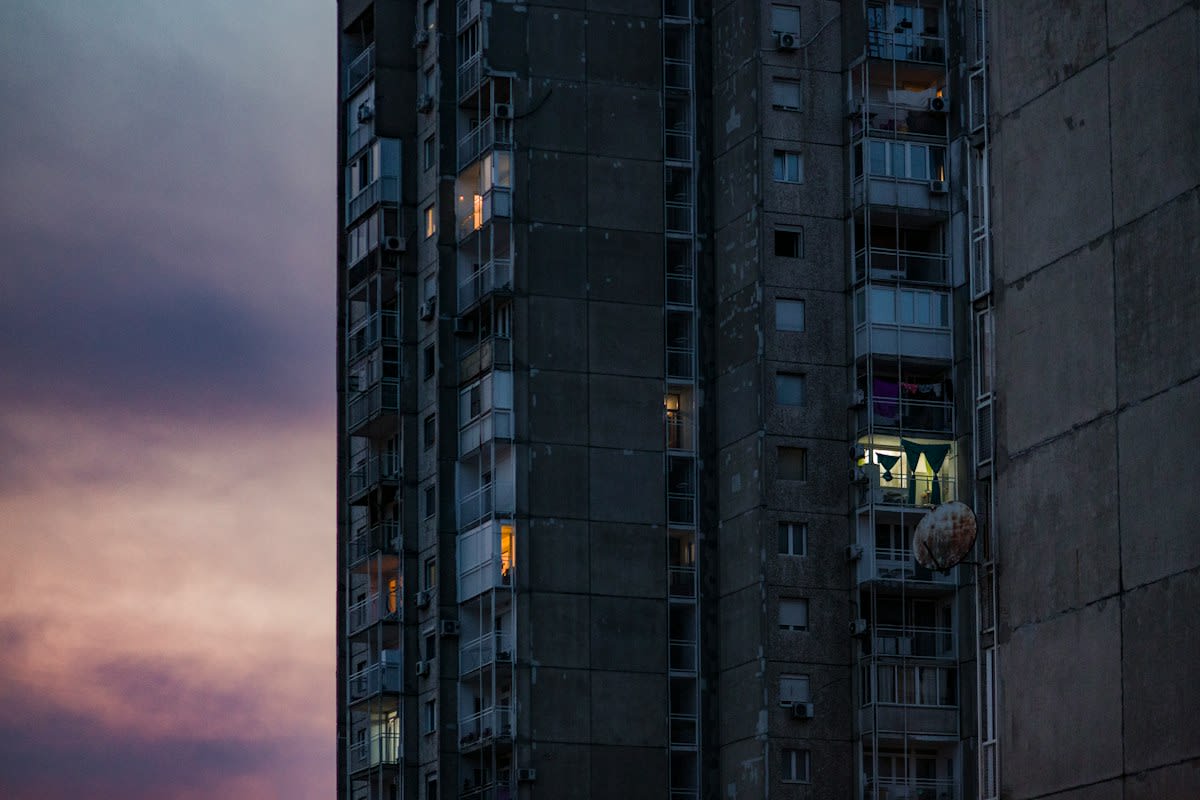
Concrete is dead. While city planners in the Global South view these gray monoliths as failures of a socialist past, a new wave of digital architects is treating them as liquidity pools for fractional ownership. The gray turns gold.
Why keep the ruin? Most governments lack the capital to renovate the sprawling, porous shells of the 1960s, yet the sheer volume of these structures offers a unique terrain for real-world asset (RWA) tokenization. This is not a facelift.
The Shift from REITs to RWAs
Equity is fragmenting. Twelve months ago, the default model for urban renewal relied on Real Estate Investment Trusts (REITs) that locked out small investors behind high entry barriers and opaque management fees. Now, smart contracts carve these blocks into millions of tokens. Access is now instant.
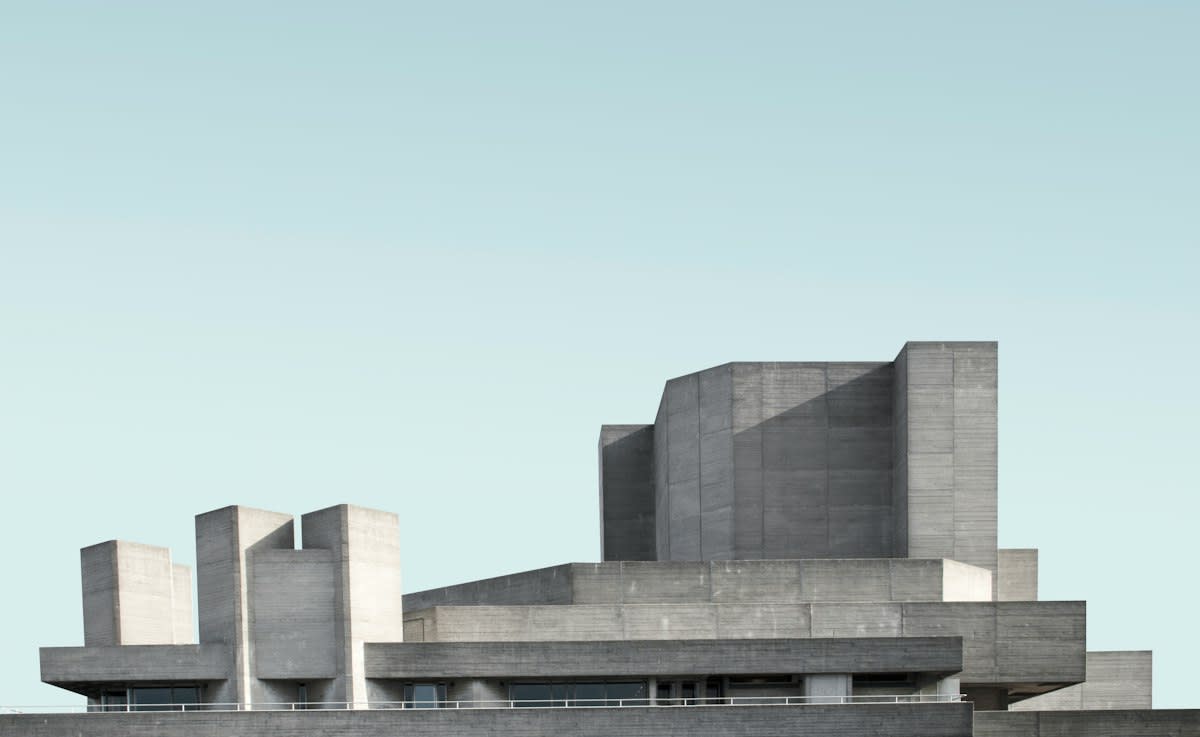
The delta is stark. In 2023, tokenized real estate was largely limited to luxury condos in Dubai or Miami, but 2024 has seen a hard turn toward industrial-scale Brutalist shells in emerging markets (Source: Global RWA Report, 2024). The weight shifts.
| Metric | Traditional REIT (2023) | Tokenized Brutalist Block (2024) |
|---|---|---|
| Minimum Investment | $5,000 - $25,000 | $10 - $100 |
| Liquidity Window | Quarterly/Annual | Near-Instant (Secondary Market) |
| Governance | Board-led | Token-weighted Voting |
| Asset Focus | Grade A Commercial | Underutilized Brutalist Shells |
Money moves faster. By stripping the asset into digital shares, developers can raise the first 20% of renovation costs from a global web of micro-investors before a single brick is moved. This bypasses the bank.
"We are seeing the democratization of urban decay. By turning a concrete eyesore into a liquid asset, we move the power of city-shaping from a few bureaucrats to ten thousand global stakeholders."— Elena Markov, Urban Strategist at New Belgrade Digital Hub
Global Terrain: From Belgrade to Lagos
Serbia leads the fray. In New Belgrade, the massive housing blocks are being mapped into digital twins where owners can tokenize their specific units to fund energy-efficient cladding (Source: Balkan Tech Review, 2024). The scale is immense.
Lagos offers contrast. Abandoned concrete administrative hubs are being converted into 'Tokenized Co-living' spaces, where the rent paid by residents is distributed automatically to token holders via smart contracts (Source: African Urbanism Study, 2023). It works seamlessly.
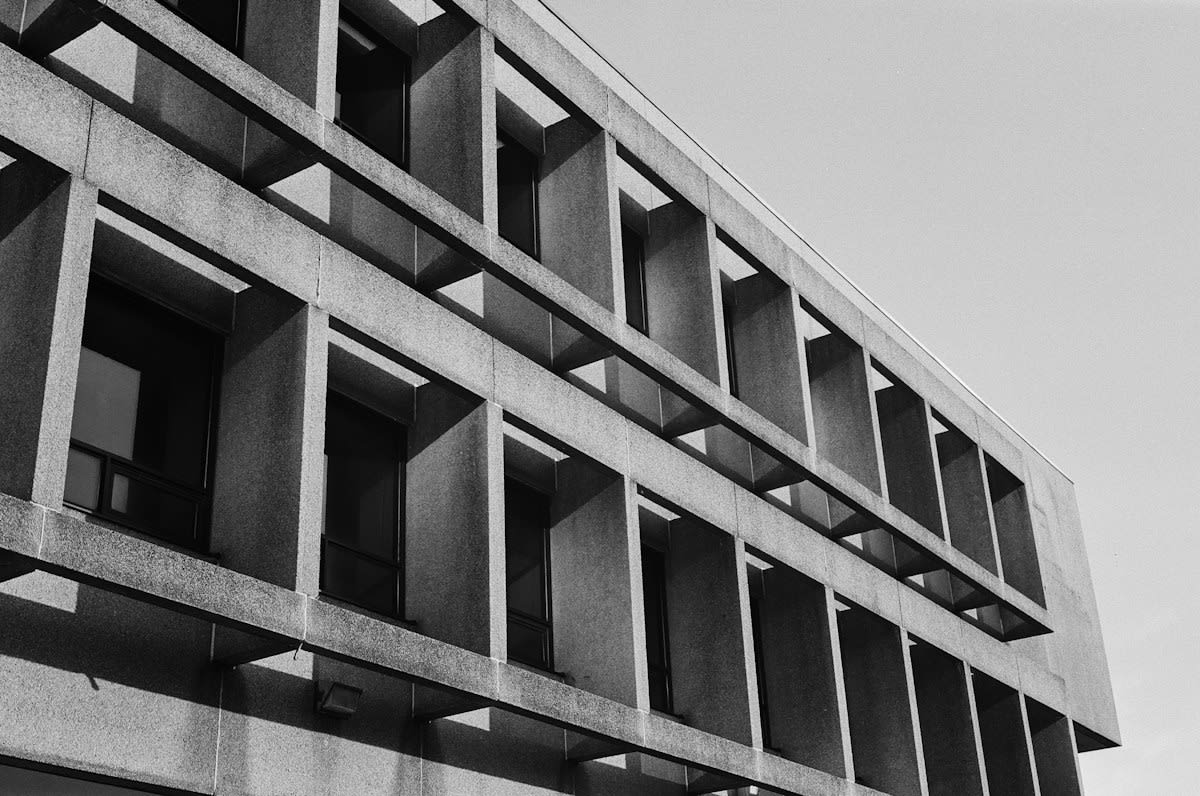
Brasília is next. The rigid geometry of the capital provides a perfect grid for the implementation of decentralized autonomous organizations (DAOs) to manage public-private plazas (Source: Brazil PropTech Index, 2024). Geometry meets code.
Can this scale? The total addressable market for tokenized real estate is projected to reach $16 trillion by 2030, with underutilized urban shells representing a significant portion of this growth (Source: BCG, 2022). The potential is vast.
The Practitioner's Fray
The friction is real. On the ground, a brutal war exists between heritage conservationists who view these buildings as historical monuments and 'token-flippers' who see them as mere yield-generating machines. This is not academic.
I have sat in meetings where the debate centered on whether a DAO could vote to demolish a load-bearing wall if 51% of the tokens agreed. The conservationists scream about the soul of the concrete, while the developers point to the blockchain's immutable ledger of ownership. It is a mechanical failure of consensus.
Legality remains murky. In many jurisdictions, the law does not recognize a token as a deed, creating a dangerous gap between digital ownership and physical possession (Source: International Land Law Journal, 2023). The risk is high.
Fact-Check & Accuracy Note
The primary academic debate centers on 'Oracles'—the third-party services that feed real-world data (like building occupancy or repair status) into the blockchain. If the Oracle is corrupt, the token value collapses regardless of the building's physical state.
The New Urban Default
Ownership is evolving. We are moving away from the era of the single landlord toward a model of distributed stewardship where the building's maintenance is crowdsourced. The old guard is fading.
Will the gray survive? If the tokenization trend continues to saturate the market, we may see a renaissance of Brutalism not because of aesthetic love, but because of financial efficiency. Logic wins out.
The concrete holds. By merging the heaviness of the 20th century with the lightness of the 21st, we find a way to save the ruins without bankrupting the state. The web is cast.
Editorial Governance
Editorial Note: This report focuses on the emerging intersection of RWA tokenization and Brutalist architecture. While early data is promising, the volatility of the underlying crypto-assets can impact the stability of urban renewal projects.