Nepal PM Balendra Shah to cut short 1st India visit from 3 days to 25 hours
Source Entity
VISHANT AGARWALA
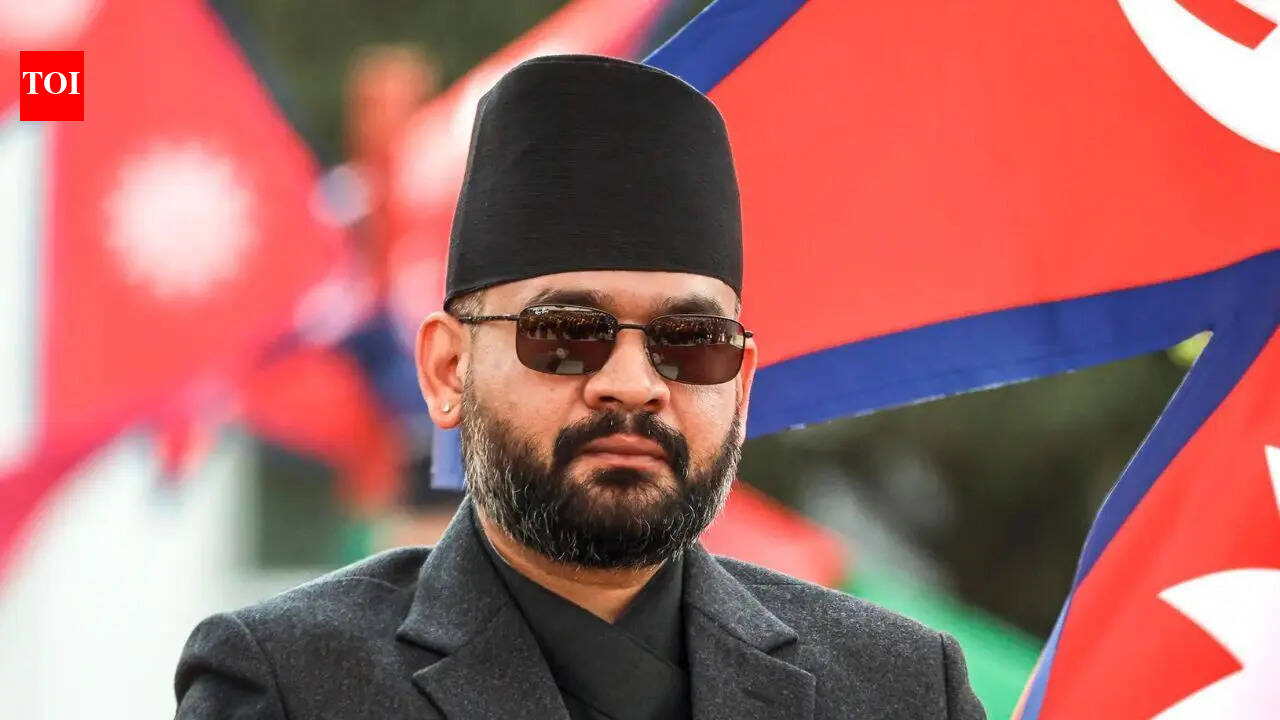
Nepal Prime Minister Balendra Shah is set for a condensed 25-hour diplomatic visit to India starting November 22. The agenda prioritizes economic recovery, infrastructure development, and connectivity, alongside requests for $2 billion in financial assistance.
Diplomatic Pivot: Nepal PM Balendra Shah’s Strategic Visit to India
Nepal’s Prime Minister Balendra Shah is scheduled to undertake a high-stakes diplomatic visit to New Delhi beginning November 22. While initial reports suggested a longer duration, the itinerary has been significantly condensed to a 25-hour window. This shift, driven by a desire for a "brief but fruitful" engagement, underscores a pragmatic approach to bilateral relations, focusing on tangible outcomes rather than prolonged ceremonial formalities.
Core Economic and Infrastructure Agenda
At the heart of the visit is Nepal’s pressing need for economic revitalization. Kathmandu is actively seeking approximately $2 billion—comprising a mix of grants and concessional loans—to facilitate post-flood reconstruction and accelerate critical infrastructure projects. By prioritizing these financial discussions, the Shah administration is signaling a shift toward developmental diplomacy, aiming to leverage India’s support to stabilize the domestic economy and modernize the nation's infrastructure landscape.
Connectivity and Airspace Access
Connectivity remains a cornerstone of the bilateral dialogue. The proposed discussions encompass rail, road, and air transit networks, which are vital for landlocked Nepal’s economic integration with the region. A specific point of contention and negotiation involves Nepal’s request for improved access through Indian airspace for its international airports. Securing these flight paths is viewed as essential for boosting tourism and international trade, potentially transforming Nepal’s connectivity profile in the South Asian region.
Navigating Complex Bilateral Challenges
Despite the cooperative tone, the visit occurs against a backdrop of unresolved systemic issues. Long-standing disagreements regarding the Pancheshwar multi-purpose hydro project and the recruitment of Nepalese Gorkhas into the Indian Army under the Agnipath scheme remain on the table. Analysts suggest these topics are unlikely to see immediate resolution during such a shortened visit, reflecting the complex, multi-layered nature of India-Nepal relations that persist despite high-level political engagement.
Strategic Implications of the Condensed Itinerary
Prime Minister Shah’s insistence on keeping the visit limited to Delhi and avoiding extraneous travel reflects a deliberate strategy to minimize diplomatic optics and maximize focus on policy deliverables. By stripping away "formalities and extravagance," the administration is attempting to insulate the visit from domestic political volatility while ensuring that the core agenda—economic cooperation and bilateral project completion—receives undivided attention.
Future Outlook
As Nepal navigates its economic recovery, this visit represents a critical juncture in its relationship with India. The outcome of the talks regarding the $2 billion request and the status of pending projects will likely set the tone for regional cooperation for the remainder of the Prime Minister’s term. While the visit is short, its success will be measured by the ability of both nations to transcend historical friction in favor of immediate, sustainable economic development.