Trump on Iran's reported DC dirty bomb plan: 'We take it very seriously'
Source Entity
US Top News and Analysis
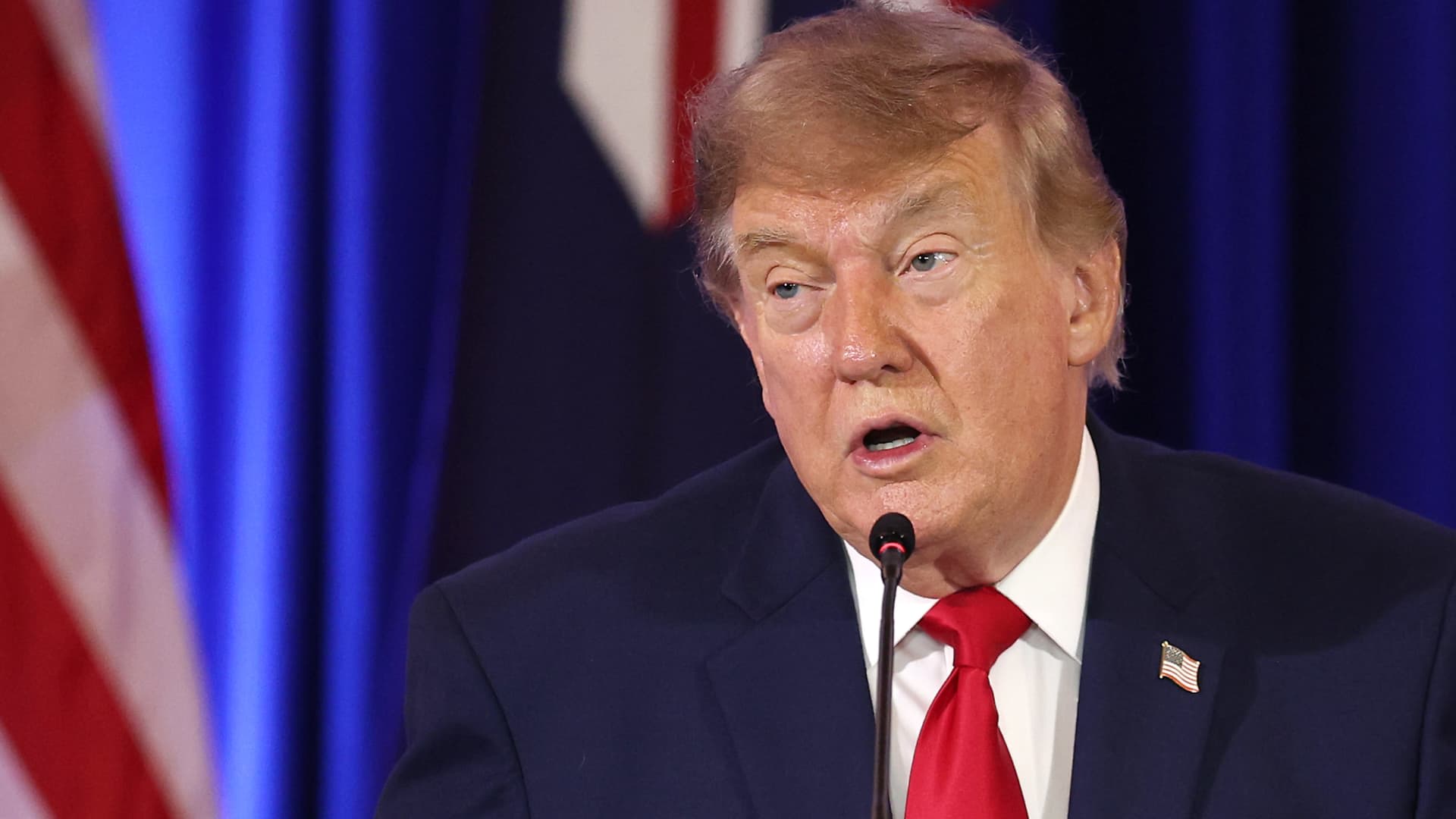
President Donald Trump has warned Iran of severe consequences following intelligence reports suggesting potential plots to target US officials with dirty bombs or chemical weapons. While the White House maintains there is no immediate credible threat, the administration is treating the intelligence with high seriousness.
The Escalating Intelligence Standoff: Iran and the 'Dirty Bomb' Threat
Intelligence Reports and White House Response
Recent intelligence disclosures have brought to light concerns regarding potential Iranian contingency planning aimed at senior Trump administration officials. Reports indicate that Tehran may be exploring the use of unconventional warfare, specifically radioactive 'dirty bombs' or chemical agents, within Washington, D.C. While the administration is treating these developments with extreme caution, official communication from White House spokesperson Lauren Bis has sought to temper public alarm, clarifying that there are currently no 'credible threats' to the American homeland.
The Strategic Rationale Behind the Rhetoric
President Donald Trump, speaking from the sidelines of a multilateral summit in Manila, has adopted a stern posture regarding these reports. By emphasizing that Iran would 'pay a price the likes of which no country has ever paid before,' the President is reinforcing his administration's broader foreign policy narrative. He explicitly linked these intelligence findings to his long-standing argument that Iran must be prevented from acquiring nuclear capabilities, framing the current tension as a validation of his 'maximum pressure' approach to Iranian containment.
Assessing the Credibility of the Threat
Experts within the intelligence community remain divided regarding the operational feasibility of these alleged plans. While seven officials familiar with the intelligence suggest that Iran may be developing these options, others debate whether the Iranian regime possesses the capability or the intent to execute such a high-stakes attack. It is widely interpreted that these plans may represent a 'menu of options' rather than an imminent tactical deployment, reflecting Iran's desire to signal resolve in a period of heightened regional volatility.
Broader Regional and Military Implications
Beyond the potential threat to the nation's capital, the discourse extends to the safety of US military personnel stationed across the Middle East. There is significant concern that Iranian proxies or state-aligned actors may pivot toward chemical weapons or unconventional devices to target American troops. This creates a complex security environment where the US must balance domestic vigilance with the protection of forward-deployed assets, all while navigating the precarious diplomatic landscape of the Indo-Pacific and beyond.
Future Trends and Diplomatic Consequences
As the US continues to monitor these developments, the incident underscores the fragile nature of the current US-Iran conflict. The intersection of intelligence-gathering, public posturing, and geopolitical maneuvering suggests that tensions will remain elevated in the near term. The administration's focus on 'monitoring any and all potential threats' indicates a shift toward a more defensive, high-alert posture, which may influence future diplomatic engagement and regional security alliances, including those discussed during the recent Quad-related meetings in the Philippines.
Multiple Citing Sources