Third U.S. carrier arrives in the Gulf, stoking concerns about renewed conflicts with Iran
Source Entity
US Top News and Analysis
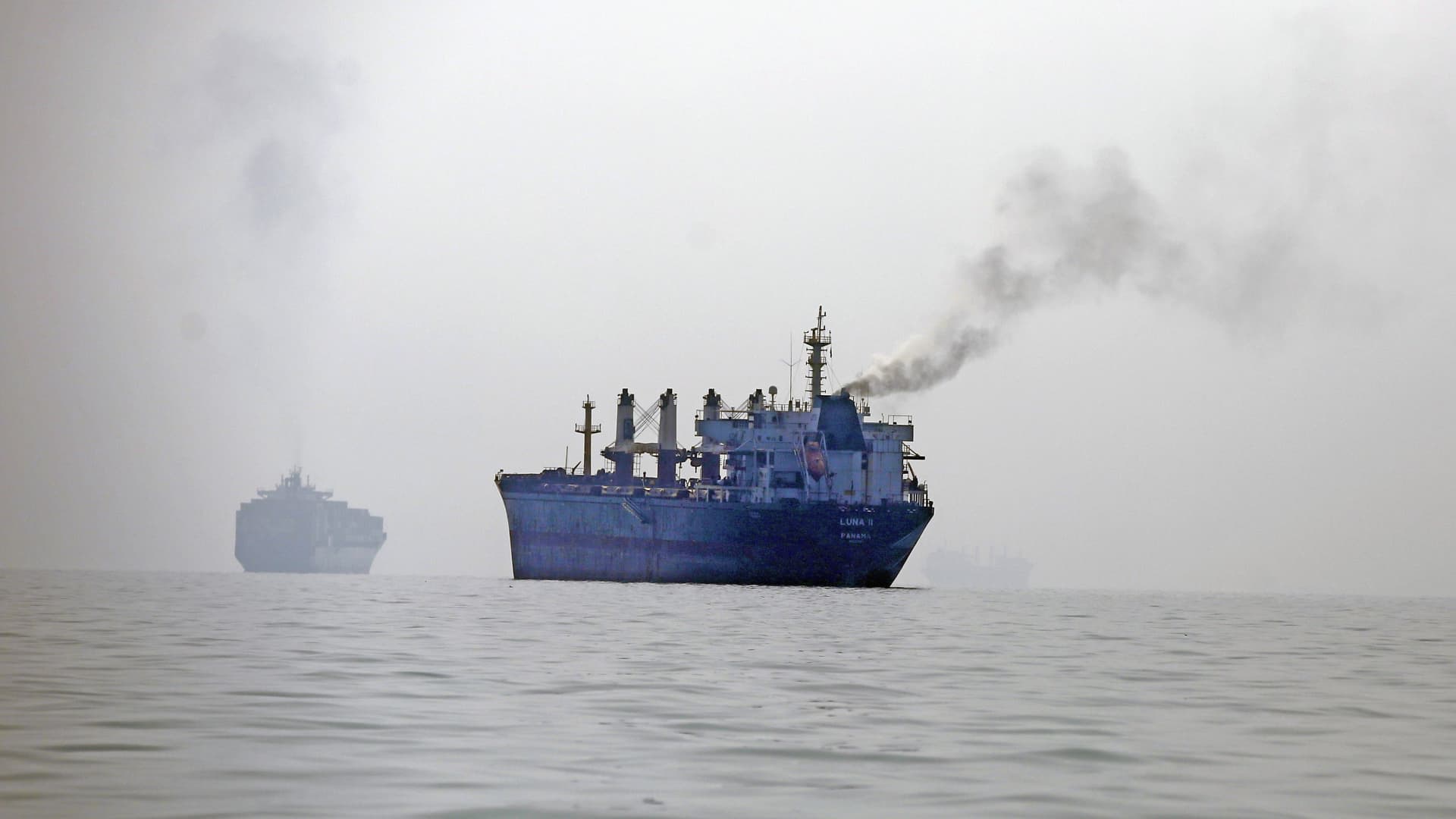
The U.S. has deployed a third aircraft carrier, the USS Theodore Roosevelt, to the Middle East, joining the USS George HW Bush and USS George Washington. This escalation follows increased Iranian threats against shipping in the Strait of Hormuz and ongoing retaliatory airstrikes between U.S. and Iranian forces.
Strategic Escalation: The Triple Carrier Presence
The recent deployment of the USS Theodore Roosevelt into the Middle East marks a significant shift in U.S. military posture, bringing the total number of American aircraft carriers in the region to three. Alongside the USS George HW Bush and the USS George Washington, this concentrated naval power represents an unprecedented concentration of air and sea dominance. By integrating these assets under the U.S. Central Command (CENTCOM), Washington is signaling a robust commitment to maintaining regional stability amidst a nine-month conflict that shows few signs of de-escalation.
The Strait of Hormuz: A Global Chokepoint
The strategic focus of this deployment is inextricably linked to the Strait of Hormuz, a critical maritime artery for global energy supplies. Tensions have reached a fever pitch as Iran’s Revolutionary Guards Navy has issued stark warnings to commercial shipping, labeling the southern route a "minefield of fire." The assertion by Iranian officials that the strait will remain closed until their specific conditions are met transforms a regional military standoff into a potential global economic crisis, threatening the flow of oil and maritime commerce.
Tit-for-Tat: The Cycle of Airstrikes
The military dynamic is currently defined by a cycle of retaliatory actions. The U.S. has conducted targeted airstrikes against Iranian sites in response to intensified attacks on U.S.-linked structures. This escalation is mirrored by Iran’s refusal to permit international nuclear inspections and the continued positioning of their oil tankers near Bandar Abbas. The presence of three carrier strike groups is intended to serve as a deterrent, yet it simultaneously creates a volatile environment where a single miscalculation could trigger a broader, regional conflagration.
Diplomatic Stalemate and Military Posture
There is currently a profound disconnect between diplomatic rhetoric and military reality. While the U.S. emphasizes the necessity of protecting freedom of navigation, Iranian leadership maintains an uncompromising stance, demanding concessions before any normalization of maritime transit can occur. The rhetoric from Brig. Gen. Mohammad Akrami-Nia suggests that Tehran is willing to leverage the strategic importance of the Strait of Hormuz as a primary bargaining chip, effectively holding international shipping hostage to their geopolitical demands.
Future Trends and Regional Stability
Looking ahead, the region faces a period of acute instability. The continued presence of three U.S. aircraft carriers suggests that Washington is preparing for a long-term containment strategy rather than a swift resolution. Future trends will likely involve increased cyber-warfare, continued harassment of commercial vessels by the Iranian Navy, and a heightened risk of direct kinetic engagements. As the nine-month conflict persists, the ability of international mediators to de-escalate the situation will be severely tested, with the maritime security of the Gulf remaining the central point of failure or success in preventing a wider war.
Multiple Citing Sources