Watch: PM Modi visits Gurudwara Khalsa Diwan in Manila, offers prayers
Source Entity
PRANJAL PANDEY
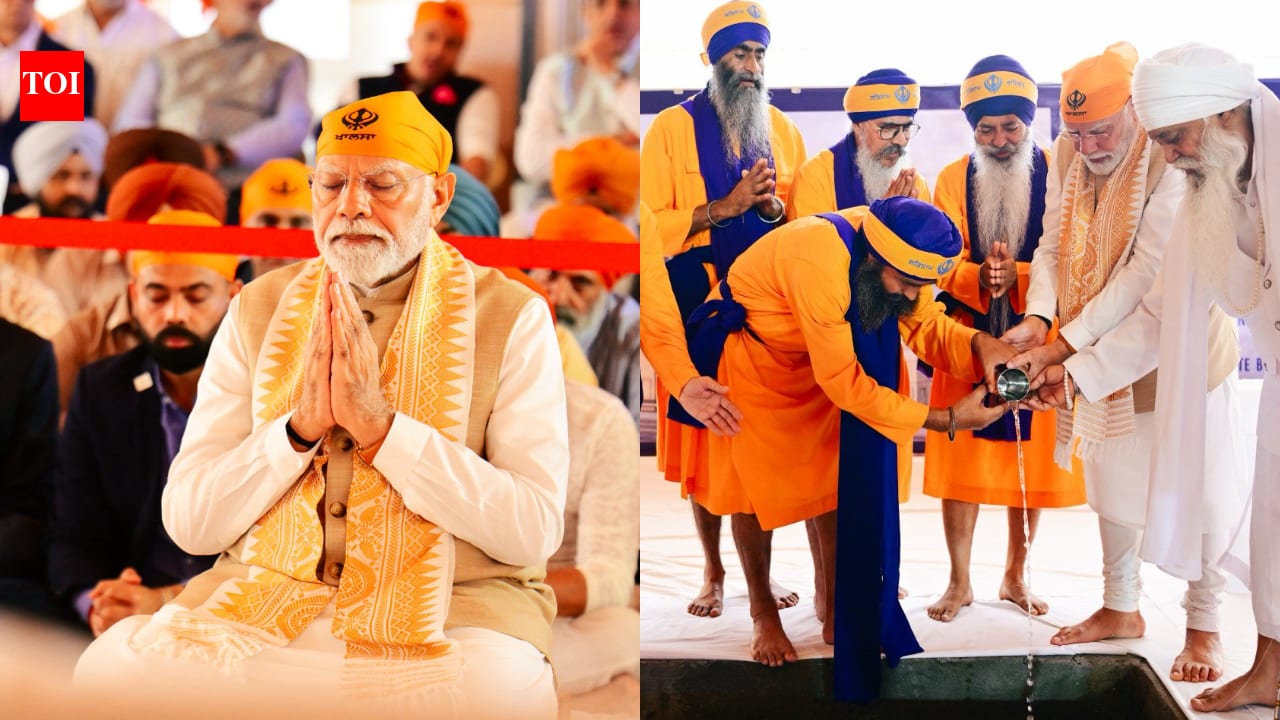
Prime Minister Narendra Modi is visiting Manila for the 23rd ASEAN-India Summit and 21st East Asia Summit. The trip focuses on strengthening regional maritime security, economic partnerships, and the Quad framework.
Strengthening the Act East Framework
Prime Minister Narendra Modi’s visit to Manila on November 16-17, 2026, to attend the 23rd ASEAN-India Summit and the 21st East Asia Summit marks a pivotal moment in India’s regional diplomacy. At the invitation of President Ferdinand R. Marcos Jr., this visit serves as a cornerstone for India’s 'Act East Policy,' which seeks to deepen integration with Southeast Asian nations. By centering this engagement within the broader 'MAHASAGAR' vision, India reaffirms its commitment to a stable, secure, and prosperous Indo-Pacific region.
The Pillars of Partnership
The relationship between India and ASEAN is historically rooted in deep civilizational exchanges, which have evolved into a contemporary, multifaceted partnership. The current agenda in Manila emphasizes several critical sectors: trade, connectivity, maritime security, and technology. As global supply chains continue to shift, the economic cooperation between India and ASEAN member states becomes increasingly vital for regional development and mutual commercial growth.
Maritime Security and Strategic Autonomy
Maritime security stands out as a primary concern for all participants in the East Asia Summit. Given the geopolitical complexities of the Indo-Pacific, India’s collaborative efforts with ASEAN focus on maintaining a rules-based order. By engaging in these multilateral forums, India is not only addressing the challenges of maritime domain awareness but also reinforcing its role as a key security provider and a reliable partner in the region's collective stability.
The Quad Component
Beyond the ASEAN-specific summits, the visit is highly significant due to the expected convergence of Quad leaders—including the US, Japan, and Australia—on the sidelines. The formalization of a Quad Leaders’ Summit suggests a deepening of the strategic alignment between these nations. With figures like US President Donald Trump and other global leaders in attendance, the Manila meetings provide a venue for high-level bilateral and minilateral diplomacy that could reshape the regional security architecture.
Future Trends and Regional Integration
The collaborative efforts displayed in Manila signal a shift toward more robust, institutionalized cooperation. As the 'Act East' policy matures, we can expect to see an increase in inter-operability between the navies of the region and a surge in digital and physical connectivity projects. The emphasis on 'people-to-people' relations also indicates a long-term strategy to build soft power, ensuring that India’s influence remains anchored in both economic utility and cultural resonance.
Conclusion
In summary, Prime Minister Modi’s diplomatic mission to the Philippines represents a strategic balancing act. By simultaneously addressing the specific needs of ASEAN nations and participating in the broader security-focused Quad framework, India is successfully positioning itself as an indispensable player in the Indo-Pacific. The outcome of these summits will likely set the tone for regional cooperation, trade policies, and maritime security protocols for the remainder of the decade.
Multiple Citing Sources