Muslims to outnumber Christians by 2035 worldwide: Pew research
Source Entity
India Latest News: Top National Headlines Today & Breaking News | The Hindu
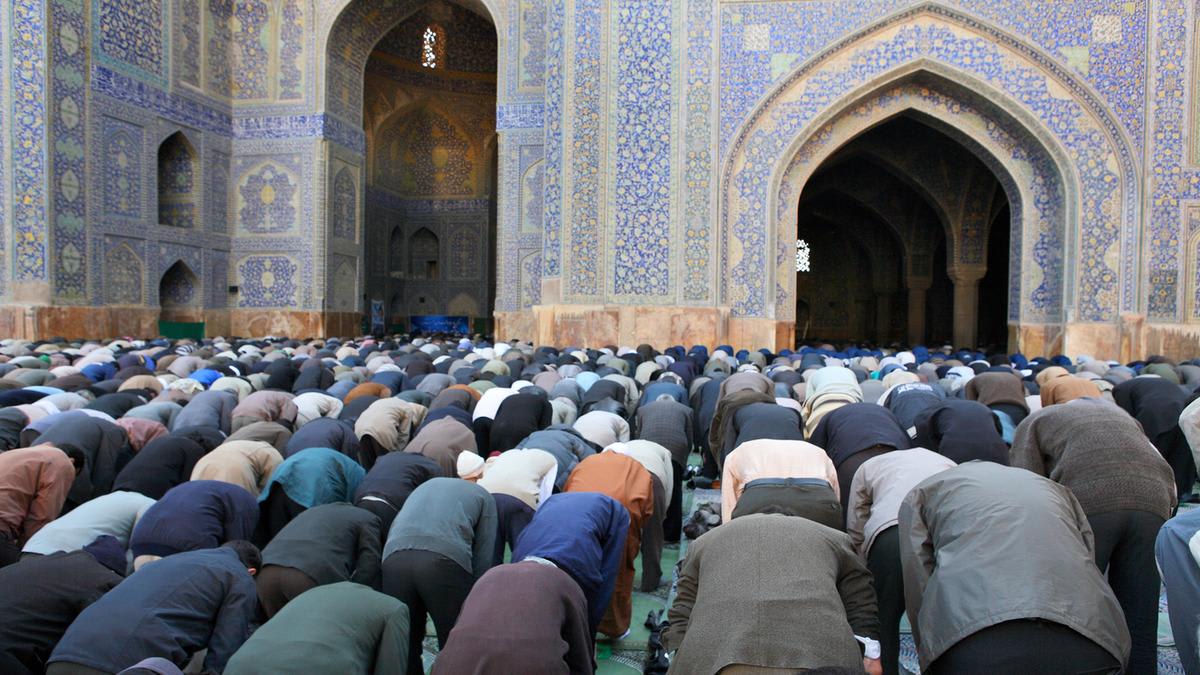
A new Pew Research study projects that Islam will overtake Christianity as the world's largest religion by 2035. While the absolute number of Hindus is expected to rise, their global share will decline due to faster growth rates among other populations.
Shifting Global Religious Demographics: An Analytical Overview
Recent projections released by the Pew Research Center have sparked significant discourse regarding the future of global religious demographics. According to the study, the world is on the precipice of a major historical shift: Islam is projected to surpass Christianity as the largest religious group globally by 2035. This transition is not merely a reflection of conversion rates, but is primarily driven by distinct fertility trends and the age structures of current populations worldwide.
The Rise of Islam and the Christian Landscape
The Pew data suggests that by 2035, the Muslim population is expected to reach approximately 2.57 billion, narrowly edging out the 2.52 billion followers projected for Christianity. Looking further toward 2070, the disparity becomes more pronounced, with the Muslim population projected to reach 3.6 billion compared to just under 3 billion Christians. The report highlights that while both faiths are growing, the Muslim population is expanding at a significantly faster rate—projected at 80% growth between 2020 and 2070, compared to 30% for Christianity.
The Hindu Population: Growth vs. Share
In the context of India and the global stage, the Hindu population presents a complex picture of absolute growth versus relative proportion. Between 2020 and 2070, the absolute number of Hindus is projected to increase from 1.2 billion to 1.4 billion, including an expected rise of 176 million within India alone. However, because other religious groups are growing at a faster rate, the Hindu share of the total global population is expected to experience a slight decline, falling from 15% in 2020 to 14% by 2070.
Drivers of Demographic Change
These demographic shifts are governed by three primary pillars: fertility rates, migration patterns, and religious switching. The data underscores that higher fertility rates in specific regions are the primary engine behind the faster expansion of the Muslim population. Conversely, in Western nations such as the United States and Canada, Christianity is projected to lose its majority status by 2065, reflecting a broader trend of secularization and changing religious identification in developed economies.
Regional Impact and Future Projections
Regional dynamics play a critical role in these projections. For instance, Pakistan is identified as being on a trajectory to host the world's largest Muslim population. Meanwhile, the decline in the share of the Hindu population in India is attributed to the higher comparative fertility rates of other communities. These findings suggest that the mid-21st century will be defined by a more diverse religious map, with significant implications for social, cultural, and political structures across the globe.
Conclusion
In summary, the Pew Research projections offer a mathematical roadmap of how the world's religious composition is evolving. While absolute numbers for most major groups will increase, the relative influence of these groups is shifting due to varying reproductive and social dynamics. As we move toward 2070, these trends will likely reshape global policy, cultural interactions, and the demographic character of nations, requiring leaders and societies to adapt to a reality where the current religious status quo is fundamentally transformed.
Verification Required?