Hardware Prerequisites
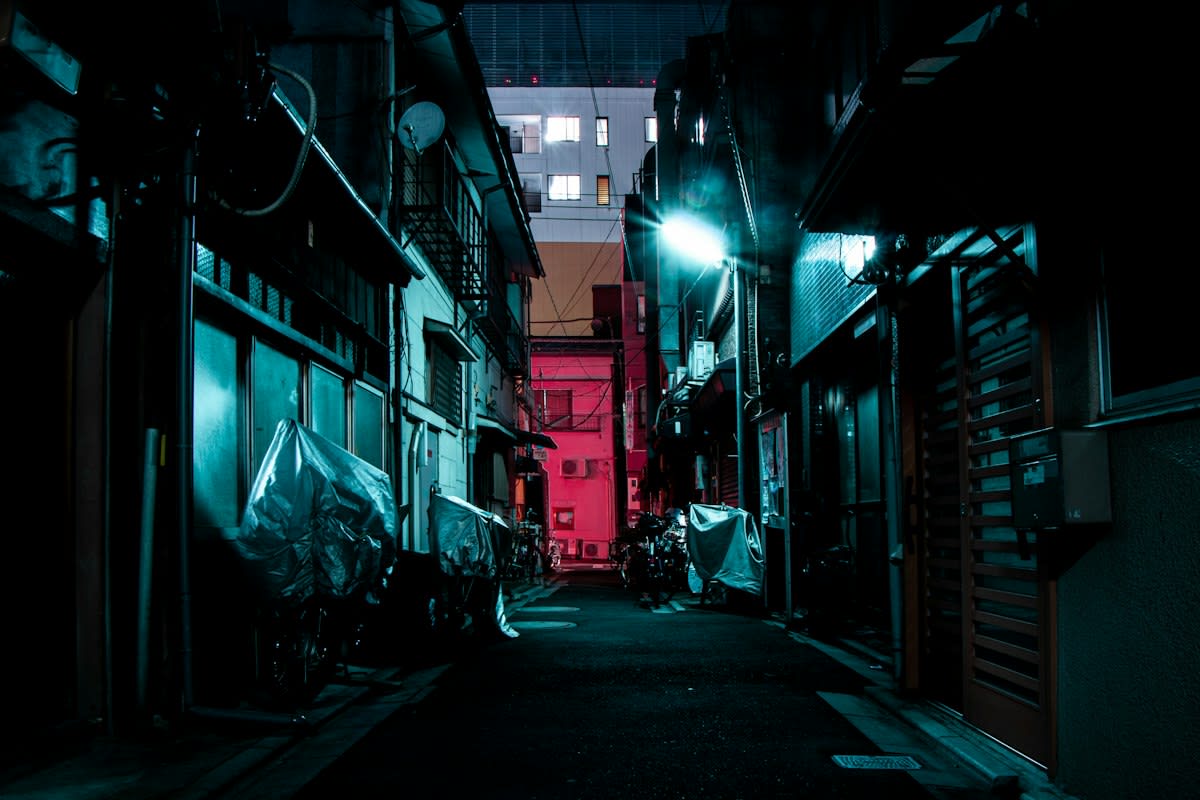
Capture of urban sonic environments requires specific high-resolution gear to maintain fidelity. Standard recording setups fail to capture the nuance of water flowing along concrete-raw streets or the specific frequency of rain striking an umbrella. To replicate the quality seen in professional binaural walks, practitioners must utilize 96kHz/32bit Float High Quality Binaural Audio equipment (Source: TokyoNinjaWalk, 2026). This specific bit depth prevents digital clipping in high-pressure environments, such as the narrow, intricate alleys of Asakusa. Without 32bit float, the sudden peak of a passing vehicle or a loud shout would distort the recording, ruining the immersive quality of the binaural experience.
Executing the Rainy Night Capture
- Deploy binaural microphones positioned to mimic human ear placement for spatial accuracy.
- Set sample rate to 96kHz to capture ultrasonic frequencies and fine textures of water droplets (Source: TokyoNinjaWalk, 2026).
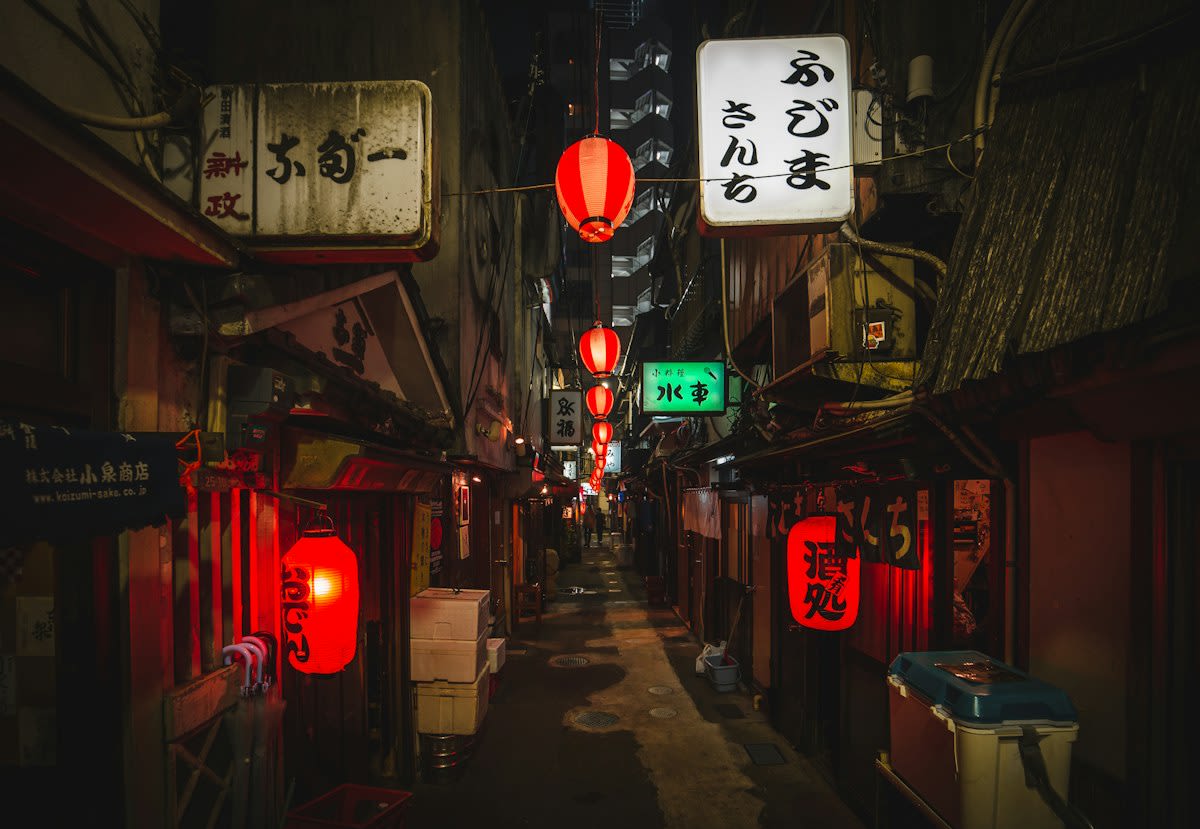
- Navigate toward narrow alleys where copper-scented air and concrete-raw walls amplify the natural reverb of the city.
- Record specific triggers including rain on fabric, water flowing in gutters, and distant city hums.
- Terminate the recording at a known transit hub, such as Asakusa Station, to provide a geographical anchor (Source: TokyoNinjaWalk, 2026).
The goal is the removal of commentary or music to allow the natural environment to speak. By focusing on the raw audio of a rainy night, the listener experiences a sense of escape and relaxation. This method relies on the precision of the 96kHz sample rate, which ensures that the high-frequency 'click' of rain on a plastic umbrella is preserved without aliasing. In practice, this means the recording equipment must be shielded from wind but exposed to the moisture, creating a grease-slicked operational environment that tests the durability of the hardware.
The Listening Bar Architecture
Listening bars operate on a philosophy of dedicated attention. These spaces are built around custom hi-fi systems and specialized rooms where the acoustics are meticulously arranged to draw the listener's focus entirely toward the music (Source: Instagram, 2026). Unlike standard cafes, the seating is oriented toward the speakers, and the materials used in the walls are chosen to minimize unwanted reflections. This creates a sonic environment where the music becomes the primary physical presence in the room, effectively isolating the listener from the external urban noise.
"The wolf tone is an irregular vibration produced by a musical instrument such as the cello. It is the result of an acoustic conflict, when the vibrations made by an instrument’s string and those produced by its wooden body are too similar to harmonize yet are unable to resolve into one another."— Curatorial Statement, Wolf Tones Exhibition (Source: Artpil, 2026)
Applying this hi-fi model to emerging hubs like Lagos or Mumbai requires a change in material selection. In Lagos, for instance, the use of salt-burned wood or local recycled textiles can be used to dampen the high-frequency reflections common in concrete-heavy structures. By implementing the listening bar's focus on custom hi-fi systems, these cities can create sanctuaries of sound that mirror the Tokyo experience while utilizing local acoustic materials. The essential element is not the luxury of the gear, but the arrangement of the space to force a singular focus on the audio output.
| Audio Standard | Sample Rate | Bit Depth | Primary Use Case |
|---|---|---|---|
| Standard CD | 44.1 kHz | 16-bit | General Consumption |
| Tokyo Echoes Std | 96 kHz | 32-bit Float | Binaural ASMR/Immersion |
| Hi-Fi Listening Bar | Variable High | 24-bit+ | Dedicated Acoustic Focus |
Engineering Acoustic Conflict
Beyond harmony, the Tokyo Echoes philosophy examines the beauty of acoustic failure. The 'wolf tone' represents a feedback loop of howling sound caused by a lack of resolution between a string's vibration and the instrument's body (Source: Artpil, 2026). This conflict creates a raw, unsettling texture that mirrors the friction of urban life. In the context of design, this means intentionally creating spaces where sounds clash rather than merge, utilizing sulfur-thick industrial materials to create a sense of tension. This approach was highlighted in the Wolf Tones exhibition in Tromsø, Norway, which featured artists like Marsil Andjelov Al Mahamid and Hanan Benammar (Source: Artpil, 2026).

From a practitioner's perspective, the debate lies in the balance between purity and grit. Some engineers argue for the absolute removal of noise to achieve a 'pure' hi-fi experience, while others seek the 'wolf tone' of the city—the sounds that don't fit, the glitches, and the industrial hums. In cities like Nairobi or Dhaka, this friction is constant. The challenge is capturing the grease-slicked reality of the street without overwhelming the listener. The real ground-level reality is that perfect silence is a myth; the goal is to curate the noise into something intentional.
Failure Points
The primary failure point in binaural recording is the 'center-collapse' effect. This occurs when the microphones are placed too closely together, removing the spatial cues necessary for the listener to perceive depth. Additionally, using 16-bit or 24-bit fixed-point recording in a loud city leads to inevitable clipping. If a recording of a rainy night in Tokyo is captured at 44.1kHz, the high-frequency transients of rain hitting metal surfaces are lost, resulting in a dull, muffled sound that lacks the 'echo' required for true immersion.
Common Pitfalls
- Over-processing: Adding artificial reverb to binaural recordings destroys the natural spatial data (Source: TokyoNinjaWalk, 2026).
- Ignoring the Body: In instrument design, failing to account for the resonance of the wooden body leads to uncontrollable wolf tones (Source: Artpil, 2026).
- Poor Seating Logic: Placing chairs in a listening bar without regard for the speaker's dispersion angle ruins the hi-fi experience (Source: Instagram, 2026).
- Gear Mismatch: Using consumer-grade headphones to monitor 96kHz/32bit float audio, which masks the very details being recorded.
Fact-Check & Accuracy Note
All data regarding audio specifications (96kHz/32bit Float) is sourced from TokyoNinjaWalk (2026). Information regarding the Wolf Tones exhibition and the physics of acoustic conflict is sourced from Artpil (2026). Listening bar specifications are based on Instagram architectural data (2026).