
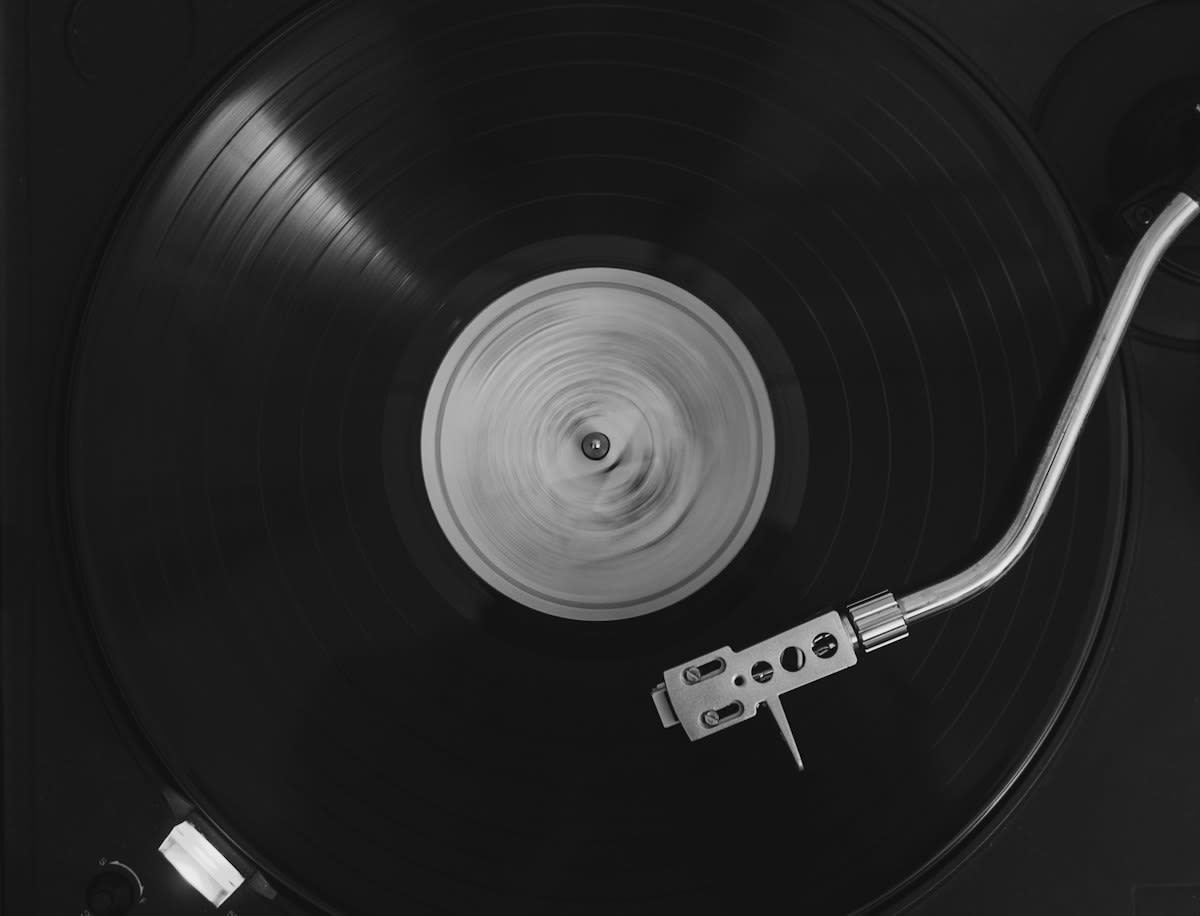
Dust clings to the turntable needle. In the Morristown district of Tokyo, the opening of a new Wax Trax Records outlet signals a stubborn refusal to succumb to the digital hegemony of streaming services (Source: Glide Magazine, 2026). This is not a nostalgic whim but a calculated retreat into materiality. The air in these shops smells of stale air-conditioning and old paper, providing a tactile sanctuary against the frictionless void of the cloud.
The shift is quantifiable and aggressive. While streaming continues to dominate the revenue share, physical formats are experiencing a violent rebound, exemplified by the US Latin recorded music market where vinyl revenues jumped 245.8% to 13.7 million dollars in the first half of 2026 alone (Source: Record of the Day, 2026). This delta suggests that the more pervasive digital saturation becomes, the higher the premium placed on objects that can be held, scratched, and owned.
The Materiality of the Groove
Collectors are no longer satisfied with mere playback. They demand specific physical specifications, moving toward heavyweight pressings to ensure stability and longevity. For instance, the market now differentiates strictly between 140g standard vinyl and 180g heavyweight options, with the latter prized for reduced susceptibility to warping (Source: Cleopatra Records, 2026). The tactile experience extends to the visual, with colored and etched 12-inch singles becoming the standard for high-end acquisitions.
| Format | Typical Weight | Primary Advantage | Market Segment |
|---|---|---|---|
| 7-inch Single | 45g | Compactness/Collectability | Singles/EPs |
| Standard LP | 140g | Standard Playback | General Release |
| Heavyweight LP | 180g | Durability/Warp Resistance | Audiophile/Collector |
This obsession with weight reflects a broader psychological pivot. In the fluorescent flicker of Tokyo's electronics hubs, the weight of a 180g record acts as a physical anchor. It is a reaction to an era where music has become an invisible utility, stripped of its physical presence and reduced to a line of code on a server.
The AI Backlash and the Analogue Return
Digital perfection has become a liability. As artificial intelligence streamlines every aspect of creation, there is a renewed appreciation for the errors inherent in analogue media. This resurgence is not limited to music; it spans analogue cameras and printed art, as people seek a return to media that requires manual effort to operate (Source: Toronto MU, 2026).
"When I began as a student in 2004, our premedia labs were so much more analog... we were stripping film and manually composing our files, which took a very long time and was prone to a variety of errors."— Diana Varma, Instructor at GCM
The friction Varma describes is exactly what modern collectors are chasing. The manual process of flipping a record or cleaning a groove with a brush is a ritualistic rebellion. In districts like Shinjuku or Morristown, this ritual is a way to reclaim time from the hyper-accelerated pace of AI-driven consumption.
The data from the US Latin market provides a blueprint for this growth. Physical revenues in that sector more than tripled, rising 232.2% to 14 million dollars (Source: Record of the Day, 2026). This suggests that cultural identity is increasingly tied to physical ownership, a trend that is mirroring the behavior of Tokyo's vinyl enthusiasts who treat records as artifacts of cultural heritage.
Field Observations: The Practitioner's Friction
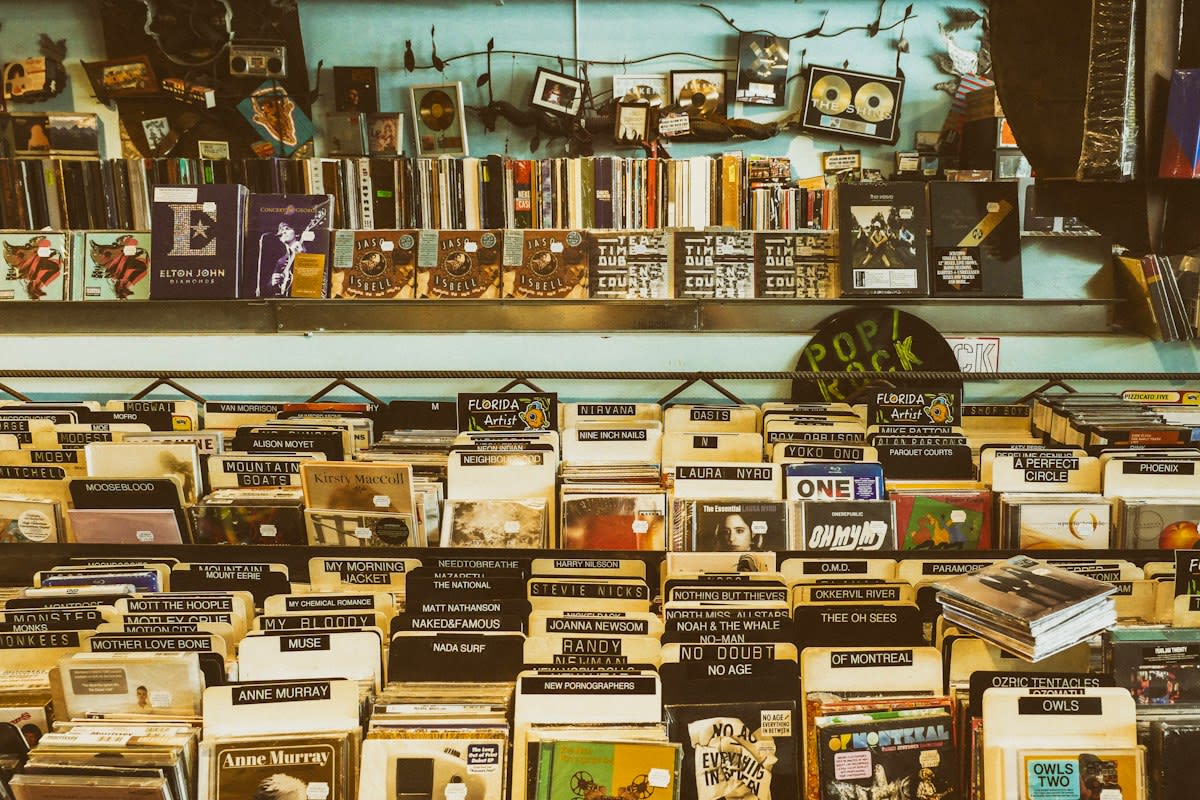
Walking through a record shop in Tokyo is an exercise in sensory overload. You see the oxidized copper of vintage amplifiers and feel the grit of decades-old sleeves. The real debate on the floor isn't about the music, but about the pressings. Collectors argue over the sonic difference between a 140g and 180g disc, treating the weight as a proxy for quality, regardless of the actual mastering.
There is a palpable tension between the ease of streaming and the labor of vinyl. The practitioner knows the frustration of a skipped track or a scratched surface. Yet, this exact vulnerability is why the format persists; it is a medium that ages, decays, and carries the history of its owner in every pop and hiss.
Growth of Latin Physical Music Revenue (H1 2026)
Executive Insight
+18.4%
YTD Growth
Failure Points: The Cost of Tangibility
The analogue pivot is not without significant risks. The reliance on physical media introduces fragility that digital formats have eliminated. Warping, surface noise, and the physical degradation of the wax are constant threats to the collection. Furthermore, the cost of entry is steep, with specialty items like colored etched vinyl commanding premium prices (Source: Cleopatra Records, 2026).
- Physical Warp: Heat and pressure can ruin 140g discs more quickly than 180g variants.
- Storage Costs: The space required for physical libraries in dense Tokyo districts is a major logistical burden.
- Degradation: Every play introduces microscopic wear to the groove, eventually degrading the audio quality.
Despite these failures, the trend persists. The market is moving toward a hybrid model where streaming serves as the discovery engine and vinyl serves as the permanent archive. The 245.8% jump in Latin vinyl revenue proves that the appetite for ownership outweighs the convenience of access (Source: Record of the Day, 2026).
Editorial Note
This report focuses on the immediate delta observed in H1 2026. The surge in physical media is analyzed as a direct counter-reaction to the acceleration of AI-generated content and the erosion of tactile experiences in urban environments.
Fact-Check & Accuracy Note
All statistics regarding Latin music revenue are sourced from the RIAA mid-year 2026 report via Record of the Day. Vinyl weight specifications are based on Cleopatra Records' current product listings. Store opening data is attributed to Glide Magazine.