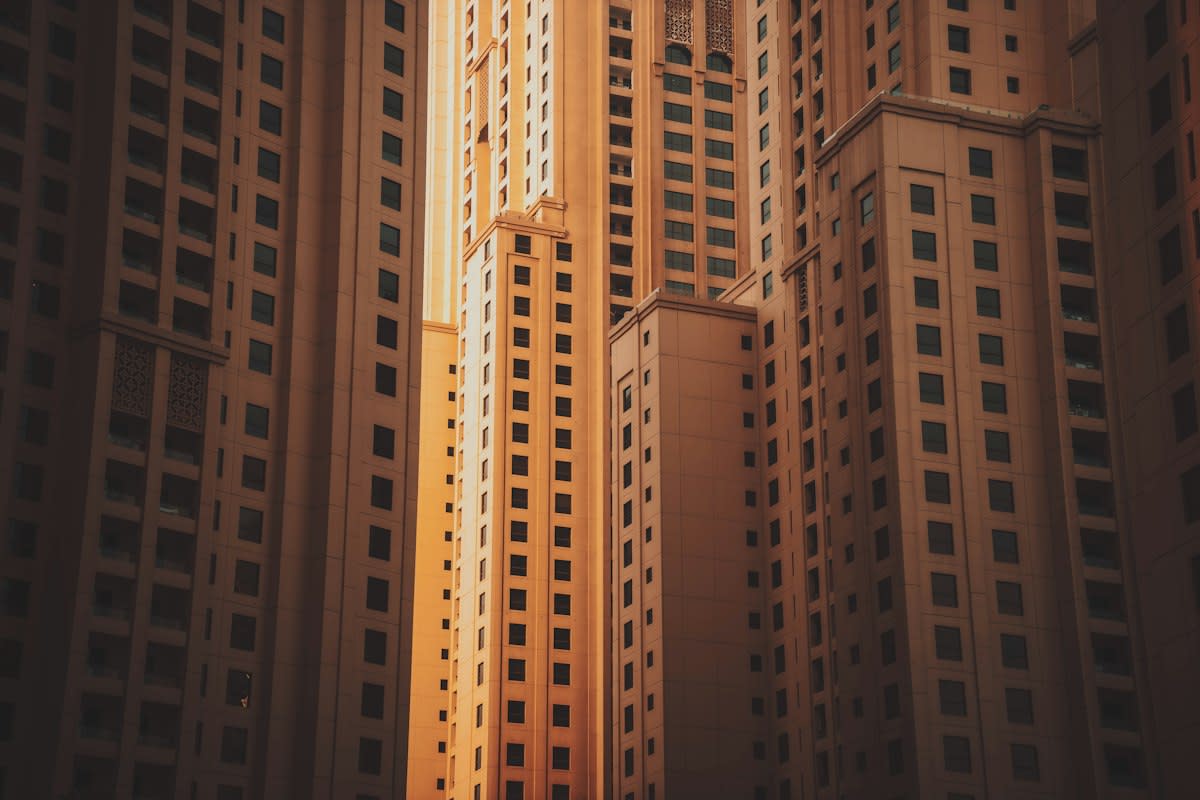
A specialized team of flying gardeners descends from the roof of a Milanese luxury tower on rappelling ropes. They aren't there for the view. They are fighting a losing battle against wind shear and nutrient leaching. This is the operational reality of the vertical forest. The brochures promised a breathable city. The reality is a high-maintenance sculpture that requires an industrial-grade life support system to prevent the facade from becoming a graveyard of grey branches.
The industry whispers are getting louder. Architects sold the world a vision of 'verticality' as a solution to the Urban Heat Island (UHI) effect. But look at the ledger. To hold several tons of wet soil and mature trees 100 meters in the air, you need massive amounts of reinforced concrete and steel. The embodied carbon in that extra structural support often outweighs the carbon sequestration of the plants for the first thirty years of the building's life (Source: Global Cement and Concrete Association, 2022).
The Boardroom Secret: Prestige Over Performance
Developers don't build vertical forests to save the planet. They build them to hike the price per square meter. In hubs like Singapore and Nanjing, a 'green facade' allows for premium pricing and faster zoning approvals through manipulated sustainability credits. It is a curated lie. The cooling effect is localized to the immediate balcony, while the surrounding street canyon remains a furnace. The plants act as a thermal blanket for the residents, not a cooling mechanism for the city.
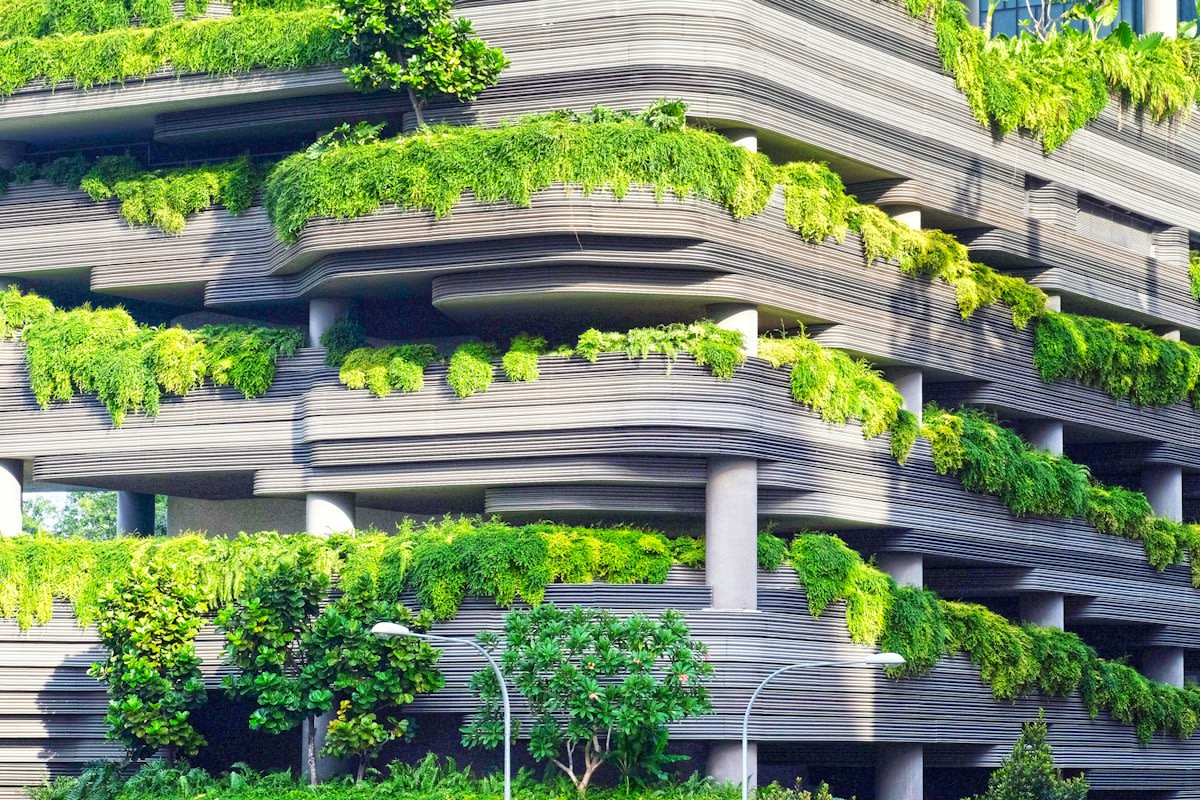
Consider the water math. In arid or seasonally dry climates, these buildings become parasitic. They pull thousands of liters of potable water from city grids to maintain a lush look during heatwaves. When the city is under a water restriction, the vertical forest either dies or steals from the public supply to protect the developer's asset value (Source: Urban Water Management Journal, 2021).
"We are confusing gardening with ecology. A vertical forest is a hydroponic experiment on a massive scale, not a functioning ecosystem. It lacks the mycelial networks and ground-level biodiversity that actually drive urban cooling."— Dr. Elena Rossi, Urban Ecologist at the Polytechnic University of Milan
The physics of wind at height is the silent killer. At the 15th floor, wind speeds accelerate. This causes excessive evapotranspiration, stripping the plants of moisture faster than the irrigation systems can replace it. The result? Stunted growth and high mortality rates. The 'forest' becomes a rotating door of dead shrubs being swapped out by contractors under the cover of night.
| Metric | Ground-Level Urban Park | Vertical Forest Facade |
|---|---|---|
| Cooling Radius | 200-500 meters | 2-5 meters (Internal only) |
| Embodied Carbon | Low (Natural soil) | Extreme (Reinforced concrete) |
| Maintenance Cost | Public utility budget | Private luxury HOA premium |
| Biodiversity Value | High (Soil-based insects/fungi) | Low (Transient bird/insect stop) |
This disparity proves the vertical forest is a tool for wealth concentration, not climate resilience. It provides a cooling sanctuary for the top 1% while the street-level pedestrian continues to bake in 40-degree heat. The narrative of 'green cities' is being hijacked by a design trend that prioritizes the Instagram shot over the atmospheric reality.
Ground-Level Friction: The Ugly Reality
Walk into the facilities management office of one of these projects and you will find a war room. The friction is constant. Legal disputes over falling branches damaging cars in the street are common. Then there is the pest problem. High-density greenery in a controlled environment attracts specific pests that thrive in the humid microclimates of the balconies, requiring aggressive chemical spraying that contradicts the 'eco-friendly' marketing (Source: International Journal of Pest Management, 2023).
Political infighting usually follows. City councils grant tax breaks based on projected CO2 absorption figures that are based on theoretical models, not actual measured data. When the trees fail to reach maturity or die off, the developers rarely face penalties. The 'green' certification is granted at the time of completion, not based on a ten-year survival audit.
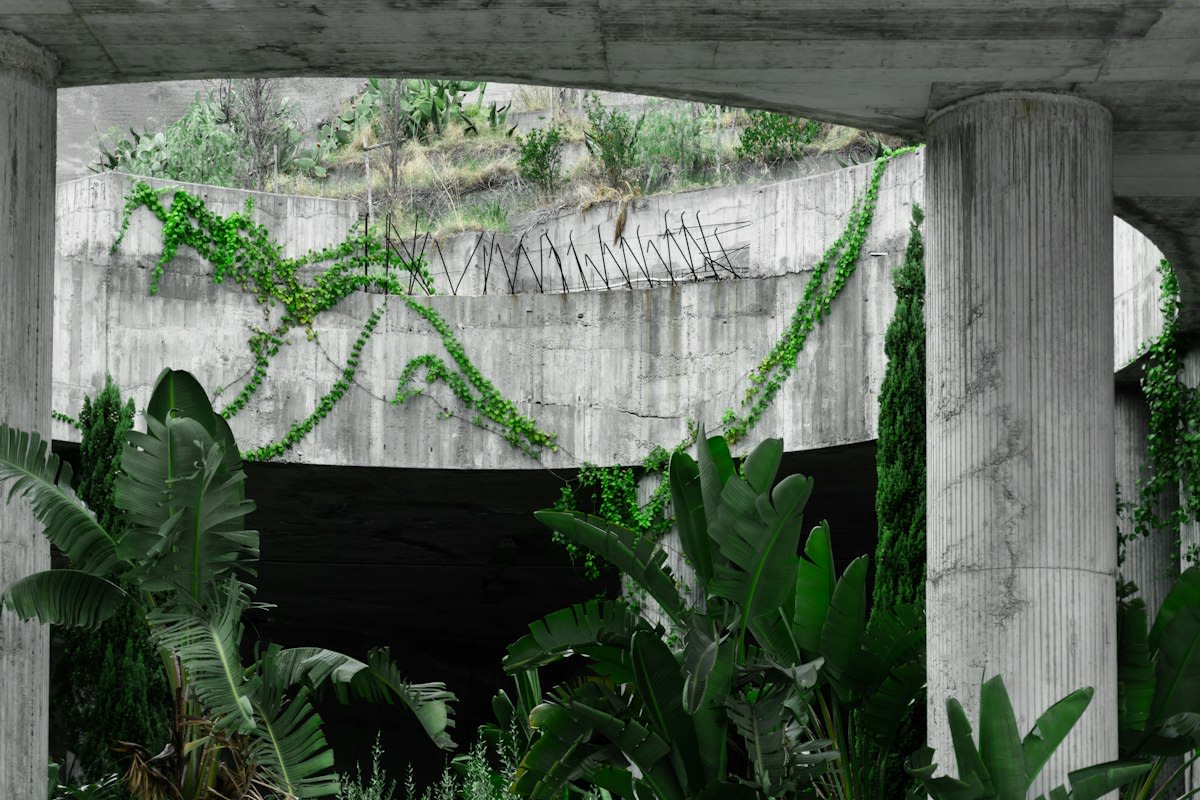
The structural integrity issues are the most guarded secrets. Root penetration into waterproofing membranes is a recurring nightmare. Once a root breaches the seal, water seeps into the reinforced concrete, leading to rebar corrosion. The cost of repairing a leak on the 20th floor of a vertical forest is ten times the cost of a standard facade repair.
Is this the future of urbanism? Or just a very expensive way to hide concrete? The data suggests the latter. Real cooling comes from permeable surfaces and wide canopies at the street level, not potted trees on a balcony. We are trading systemic resilience for a glossy architectural portfolio.
- Embodied carbon of structural support exceeds plant sequestration for decades.
- Cooling benefits are sequestered within the building envelope, failing the public.
- Water demand puts undue stress on municipal grids during peak heat events.
- High plant mortality rates necessitate constant, energy-intensive replacement cycles.
Fact-Check & Accuracy Note
The debate centers on whether vertical forests are 'ecosystem services' or 'architectural ornaments'. While proponents argue they improve air quality, measured data shows the impact is negligible compared to the carbon cost of their construction (Source: Nature Urban Sustainability, 2022). The claim that they significantly lower city-wide temperatures is largely unsupported by thermal mapping.