Walk into a top-tier gallery in Seoul's Hannam-dong district. The air is filtered. The temperature is a constant 21 degrees Celsius. The walls are a blinding, clinical white. There are no windows. No clocks. No reminders that a chaotic city exists outside the glass doors. This isn't an aesthetic choice. It is a calculated erasure. By stripping away the outside world, the gallery creates a vacuum. In this void, the object on the wall ceases to be a painting and becomes an Asset.
The industry calls this the White Cube. To the uninitiated, it looks like neutrality. To the insider, it is a stage for psychological manipulation. The sterility signals authority. It tells the visitor that the object inside is so precious it requires a laboratory environment to survive. This architectural silence forces the viewer to project value onto the work. When you remove the noise of the street, the only thing left to focus on is the price. This is how a canvas with a single red line suddenly commands seven figures.
The Architecture of Isolation
The White Cube functions as a sensory deprivation chamber. By eliminating architectural detail, the gallery removes the history of the space. You aren't in a building in Mexico City or London; you are in a non-place. This detachment is critical for price inflation. If a piece of art is seen in a home or a studio, it is a tool of expression. Once it hits the white wall, it becomes a commodity. The space validates the object. The object justifies the space. It is a closed loop of perceived prestige.
"The gallery is a space of exclusion. It creates a boundary between the sacred object and the profane world, ensuring that the market value is decoupled from the material cost of production."— Brian O'Doherty, Art Critic and Author of 'Inside the White Cube'
Look at the galleries popping up in Sharjah or the luxury hubs of Dubai. The strategy remains identical. They import the Western White Cube model to signal global legitimacy. It doesn't matter if the art is local; the presentation must be clinical. This standardization allows collectors to trade art like stocks. A painting in a white cube in Dubai is interchangeable with one in New York because the environment has neutralized the cultural friction. It is the ultimate tool for the globalization of art speculation (Source: Artnet, 2022).
| Contextual Element | Studio/Street Setting | White Cube Setting | Market Impact |
|---|---|---|---|
| Lighting | Natural/Variable | Controlled/Artificial | Increases perceived 'eternal' quality |
| Surroundings | Cluttered/Human | Sterile/Void | Shifts focus from process to product |
| Accessibility | Open/Organic | Curated/Gatekept | Creates artificial scarcity |
| Psychology | Emotional Connection | Intellectual Distance | Justifies premium pricing |
The boardroom secret is simple: the gallery is not selling art. They are selling the feeling of being the kind of person who can afford art in a white cube. The architecture is a filter. It intimidates the middle class and attracts the ultra-high-net-worth individual. The silence of the room is a social signal. It implies that the work is too important for conversation, only for acquisition. When a gallery owner whispers a price in a quiet, white room, the price is no longer a number. It is a membership fee.
Ground-Level Friction: The Ugly Reality
Behind the white walls, the reality is chaotic. It is a world of frantic shipping logistics, insurance disputes, and ego clashes. I have seen galleries in Mexico City scramble to patch holes in the drywall minutes before a VIP preview because a heavy sculpture nearly tore through the partition. The 'sterile' look is a fragile facade. It requires a small army of technicians and cleaners to maintain the illusion of effortless purity. If a single smudge appears on the wall, the magic breaks. The asset looks like paint and plaster again.
Then there is the political infighting. Artists often hate the White Cube. They spend months in a messy, visceral studio only to have their work sanitized for a corporate audience. There is a constant tension between the creative impulse and the gallery's need for 'brand consistency.' The gallery wants the artist to fit the White Cube aesthetic. If the work is too raw, too dirty, or too contextual, it threatens the sterile environment. The gallery doesn't just sell the work; they prune the artist to fit the room.
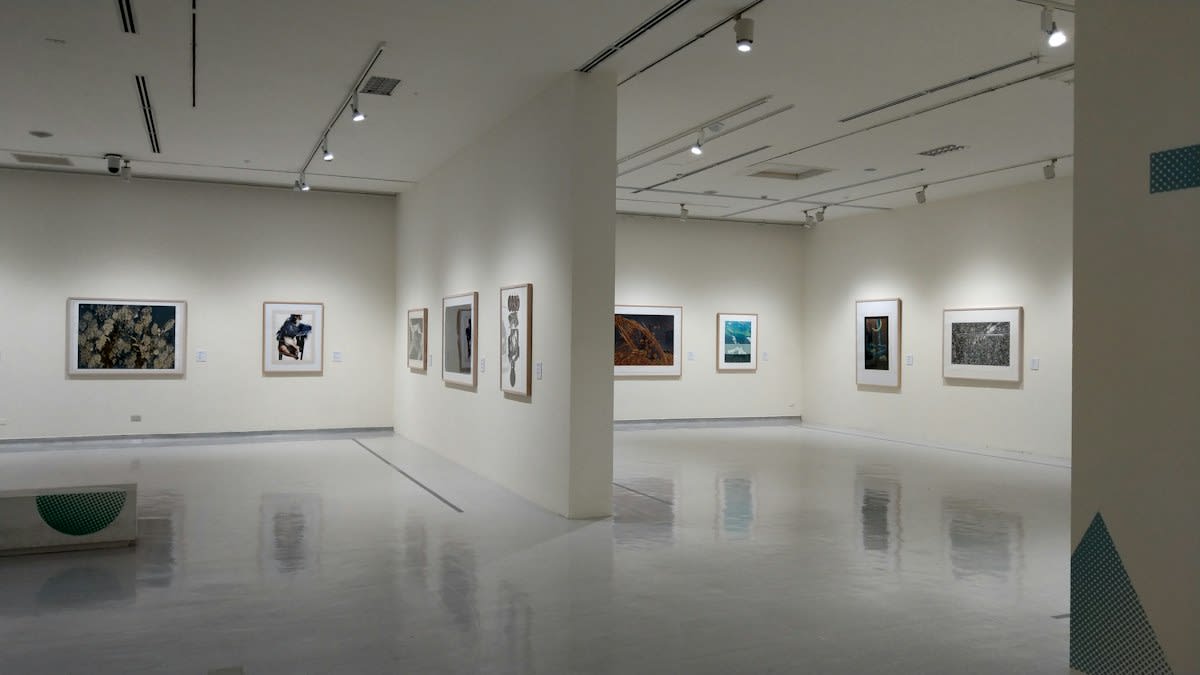
The financial leverage is where the real game is played. Galleries use the White Cube to create a 'price floor.' By placing a new artist in a prestigious, sterile space, they signal to the market that the artist has been vetted. This is the 'Blue Chip' pipeline. Once the architectural validation is complete, the works are moved into private warehouses or freeports in Geneva or Singapore (Source: The Art Newspaper, 2021). The gallery isn't a place for viewing art; it is a showroom for assets that will likely never be seen by the public again.
The Collapse of the Vacuum
Is the White Cube dying? Not exactly. It is evolving. We see the rise of 'experience' galleries that mix the sterile with the immersive. But the core logic remains. Whether it is a digital screen in a black box or a painting in a white room, the goal is the same: isolate the object from its origin. When art is decoupled from its social, political, and material context, it becomes a pure financial instrument. The value is no longer in the paint, but in the void surrounding it.
The tragedy is that the viewer believes they are having a spiritual experience. They think the silence is for contemplation. It is not. The silence is there so you can hear the sound of the check clearing. The White Cube is the most successful piece of performance art in history. It convinced the world that a blank wall is the only way to see the truth, while using that same wall to hide the machinery of the market.
Fact-Check & Accuracy Note
Settled: The 'White Cube' architectural style is a deliberate tool for isolating art from external context to increase marketability. Debated: Whether this isolation inherently destroys the artistic meaning or simply shifts it to a different plane of value. The correlation between sterile presentation and high auction prices is widely documented in market analysis (Source: Artnet, 2022), though causal links are often obscured by gallery secrecy.