2026 US midterm elections: What is at stake for key players
Source Entity
Latest News: Todays Latest News Headlines from India & World | Hindustan Times
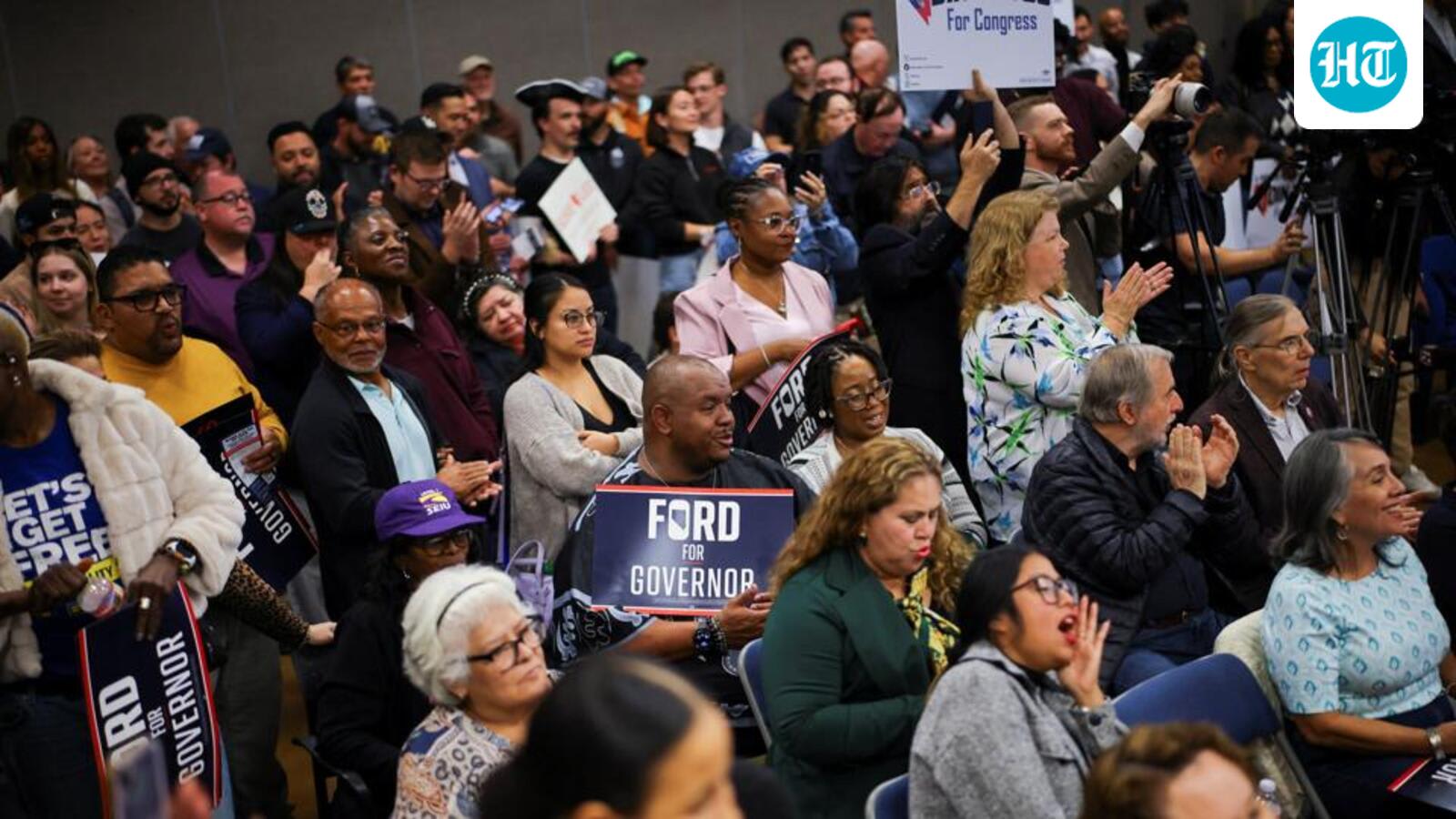
The 2026 US midterm elections will determine congressional control for the final two years of President Donald Trump's term. Voters are weighing the GOP's agenda against concerns over the cost of living and international conflicts.
The 2026 Midterm Landscape: A Litmus Test for the Trump Presidency
As the United States approaches the 2026 midterm elections on November 3, the political atmosphere is charged with anticipation. These elections represent the first major nationwide referendum on President Donald Trump’s administration. With the entire House of Representatives (435 seats), 35 Senate seats, and 36 governorships up for grabs, the results will effectively dictate the legislative trajectory for the final two years of the current presidential term.
The Shifting Battleground Map
The electoral map for 2026 presents a distinct departure from the dynamics observed during the 2024 presidential election. A primary point of focus is the split-ticket nature of key states. For instance, Maine, which supported the Democratic ticket in 2024, is concurrently navigating a high-stakes re-election bid for its Republican senator. Conversely, Michigan—a state carried by Donald Trump—is now the site of intense competition for both its Senate seat and gubernatorial office. This divergence highlights a localized approach to politics where candidate quality and state-specific issues often override broader national presidential trends.
Economic and Foreign Policy Pressures
The central tension of this election cycle is driven by the electorate’s reaction to the current administration’s performance. Voters are balancing the 'Make America Great Again' (MAGA) platform against significant domestic and international headwinds. Specifically, widespread frustrations regarding the rising cost of living have become a focal point of the campaign trail. Furthermore, the geopolitical landscape, particularly the ongoing US-Israel conflict with Iran, has introduced a layer of complexity that influences voter sentiment and party alignment.
Implications for Legislative Control
Control of Congress is the ultimate prize in this showdown. The outcome will decide whether the Democratic Party can secure a check on presidential power by flipping one or both chambers, or if the Republican Party will consolidate its influence to push through its remaining policy agenda. This struggle for legislative supremacy is not merely about procedural control; it is a battle for the direction of American domestic and foreign policy for the remainder of the decade.
Shaping the 2028 Horizon
Beyond the immediate impact on the 119th Congress, these midterm results are expected to serve as a bellwether for the 2028 presidential cycle. Both major political parties are looking to these returns to determine which messages, economic theories, and social policies resonate most effectively with the American public. The results will likely force a re-evaluation of party platforms, as leaders analyze which strategies successfully mobilized their base and which failed to capture the essential swing-state voters.
Conclusion
As the polls prepare to open across the United States—with international observers in regions like India tracking the results as they emerge early Wednesday morning—the stakes could not be higher. Whether the American electorate chooses to empower the current administration or push for a legislative counterweight, the 2026 midterms stand as a definitive moment in the modern political era. The final tally will not only define the next two years of governance but will also set the tone for the long-term future of both the Republican and Democratic parties.
Multiple Citing Sources
Verification Required?