‘Incompatible with secular character’: Centre says Krishi Bhawan mosque to be removed
Source Entity
Sohini Ghosh
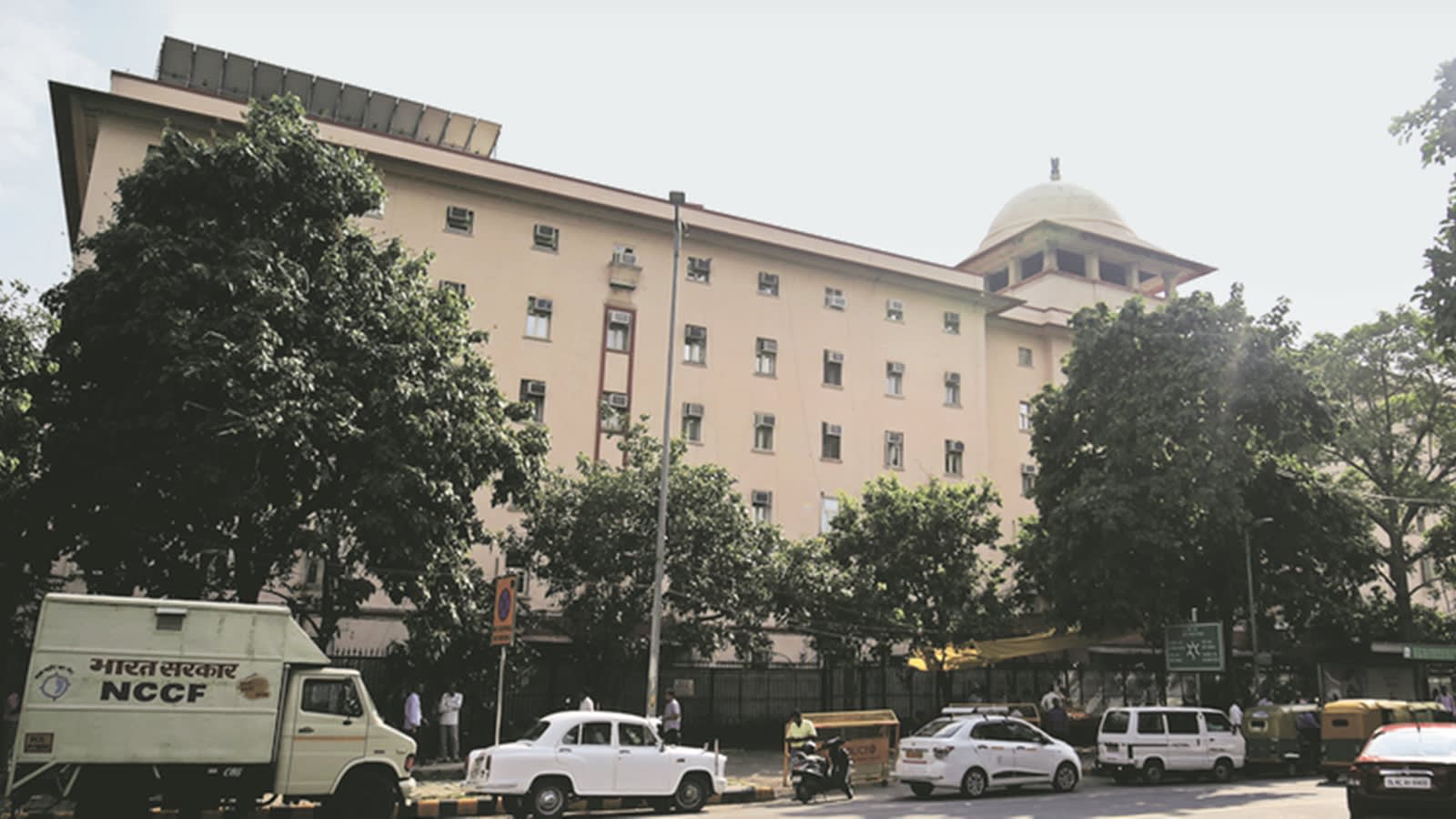
The Central Government has informed the Delhi High Court of its intent to remove a century-old mosque at Krishi Bhawan. The demolition is required to facilitate the Central Vista redevelopment project, with the government asserting no ownership rights were granted to the mosque's caretakers.
The Future of Krishi Bhawan: Central Vista Redevelopment and Religious Structures
The Central Government has officially notified the Delhi High Court of its intention to remove a century-old mosque, known as the Qadeemi Masjid, located on the premises of Krishi Bhawan. This development marks a significant legal and administrative milestone in the ongoing efforts to modernize India's administrative infrastructure. The government has framed the removal as a necessity for the larger Common Central Secretariat redevelopment, which is a cornerstone of the broader Central Vista project.
The Legal and Administrative Stance
In its submission to the court, the Centre clarified that the land occupied by the mosque is government property. The administration emphasized that a 1940 agreement, which allowed the mosque’s caretaking committee to occupy the space, did not confer any permanent ownership rights. By categorizing the structure as “incompatible with the secular character of Government property,” the state is establishing a legal precedent regarding the use of official office complexes for religious purposes, effectively asserting that government land must remain strictly administrative in nature.
Contextualizing the Central Vista Project
The removal of the Qadeemi Masjid is intrinsically linked to the Central Vista redevelopment plan, which seeks to overhaul the bureaucratic heart of New Delhi. As Krishi Bhawan and the adjacent Shastri Bhawan are slated for demolition to make way for new, modern administrative buildings, the government is systematically clearing the site. This project is intended to consolidate scattered government offices into a more efficient, interconnected Common Central Secretariat, reflecting a shift toward modern urban planning in the capital.
Legal Challenges and Historical Precedents
The matter reached the judiciary following a plea by the Delhi Waqf Board, which sought protection for several mosques affected by the redevelopment, including the one at Krishi Bhawan. The government’s recent status report, filed via the Land and Development Office, acts as a definitive response to these petitions. It highlights the tension between the state's authority to redevelop urban land and the preservation of historical or religious structures located within government-owned office complexes.
Broader Implications for Urban Governance
This case underscores the complexities of balancing historical preservation with the requirements of modern governance. As New Delhi undergoes significant architectural transformation, the government's approach to removing structures deemed "incompatible" with its secular character sets a tone for future redevelopment projects. The decision to prioritize the Common Central Secretariat over the retention of the mosque signals a firm commitment to the state's vision for a centralized, modern administrative hub, regardless of the historical tenure of the existing structures on site.
Concluding Outlook
As the Delhi High Court continues to deliberate on the status of the mosque and the wider implications of the Central Vista project, the government's stance remains clear: the land is required for public infrastructure. The resolution of this dispute will likely influence future policies regarding the use of state-owned land and the parameters for urban renewal in India's rapidly evolving capital city.