US Supreme Court rejects Trump's push to isolate 20,000 California ballots over citizenship claims
Source Entity
VIJAYA SRIVASTAVA
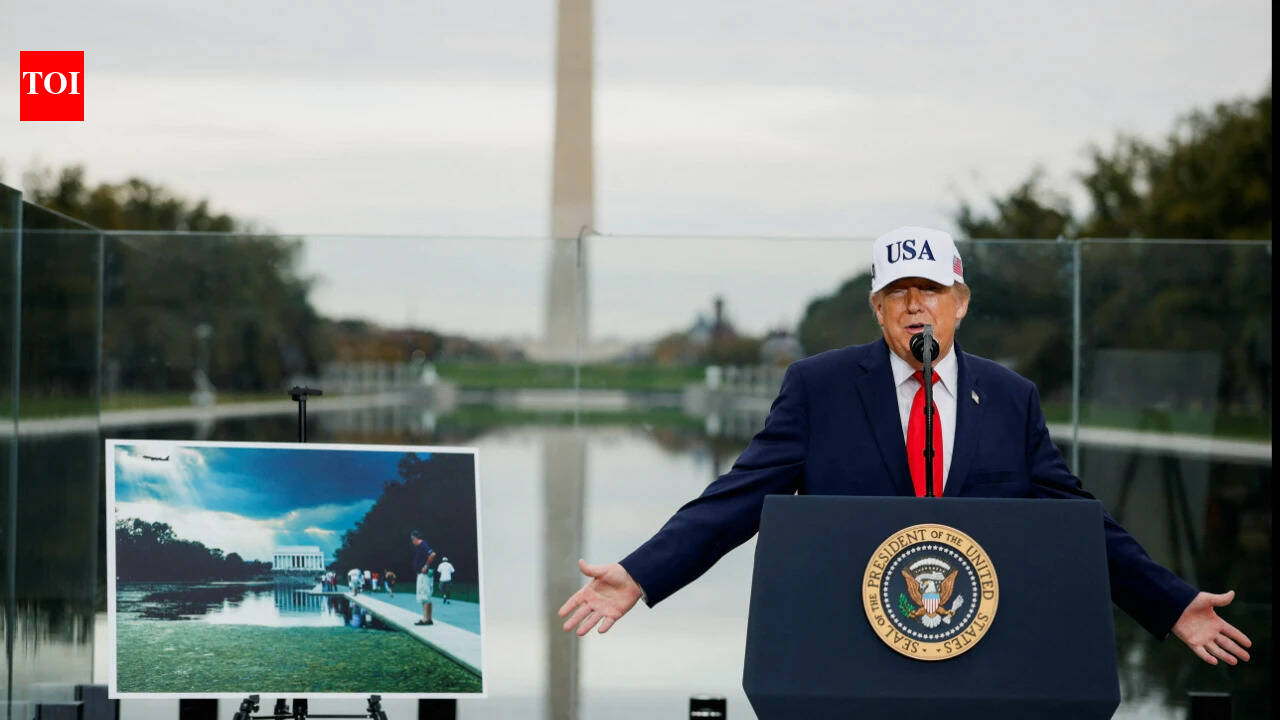
The Trump administration petitioned the Supreme Court to set aside approximately 20,000 California mail-in ballots due to concerns over voter citizenship. This legal move, occurring just before Election Day, follows a rejection by the 9th Circuit Court of Appeals.
Legal Intervention in the Midterm Elections
The Trump administration has taken the rare and high-stakes step of petitioning the Supreme Court to intervene in the electoral process, specifically targeting approximately 20,000 mail-in ballots in California. This legal maneuver, initiated just one day before Election Day, seeks to sequester these ballots due to allegations that the individuals involved may not be U.S. citizens. This action highlights an aggressive stance by the Department of Justice (DOJ) in challenging state-level election administration procedures during a critical midterm cycle.
The Path Through the Appellate Courts
This petition to the Supreme Court did not emerge in a vacuum; it follows a direct rejection by the 9th Circuit U.S. Court of Appeals. The lower court had previously denied the DOJ’s request to block an injunction that mandated the counting of these specific ballots. By escalating the matter to the highest court in the land, the administration signaled its intent to prioritize the verification of citizenship status over the established procedural norms of state election management, even as the window for electoral action narrowed significantly.
Broader Implications for Election Integrity
The Department of Justice's involvement in this California case is part of a larger pattern of federal oversight in state elections. Notably, this request coincides with the administration's separate efforts to appeal a dismissal of a lawsuit concerning Alaska's Senate election. These synchronized legal challenges underscore a broader federal strategy to scrutinize local election outcomes and voter registration criteria, which has profound implications for how states manage their electoral rolls and ballot verification processes.
The Timing and Judicial Uncertainty
The timing of this filing, occurring on the eve of the midterm elections, creates significant logistical and political tension. While the Supreme Court possesses the authority to act on the petition at any time, there is no set deadline for a ruling. This ambiguity places election officials in a precarious position, as they must balance the potential for a last-minute judicial directive against the necessity of processing ballots to meet statutory reporting requirements.
Historical Context of Federal Intervention
Historically, the Department of Justice rarely seeks to interfere directly in the administration of state-level elections unless there is a clear violation of federal constitutional or statutory law. By attempting to set aside 20,000 ballots, the DOJ is testing the boundaries of federal authority relative to state sovereignty. This case serves as a critical study in the evolving relationship between executive branch oversight and the decentralized nature of the American electoral system.
Future Trends in Election Litigation
Looking forward, this case is likely to set a precedent for how future administrations approach election disputes. The willingness to challenge ballot counts based on citizenship claims suggests that the intersection of voter eligibility verification and federal litigation will remain a flashpoint in national politics. As the legal system grapples with these petitions, the focus will likely remain on whether federal courts will grant the executive branch broad discretion to intervene in state-run elections during the final hours of the voting process.