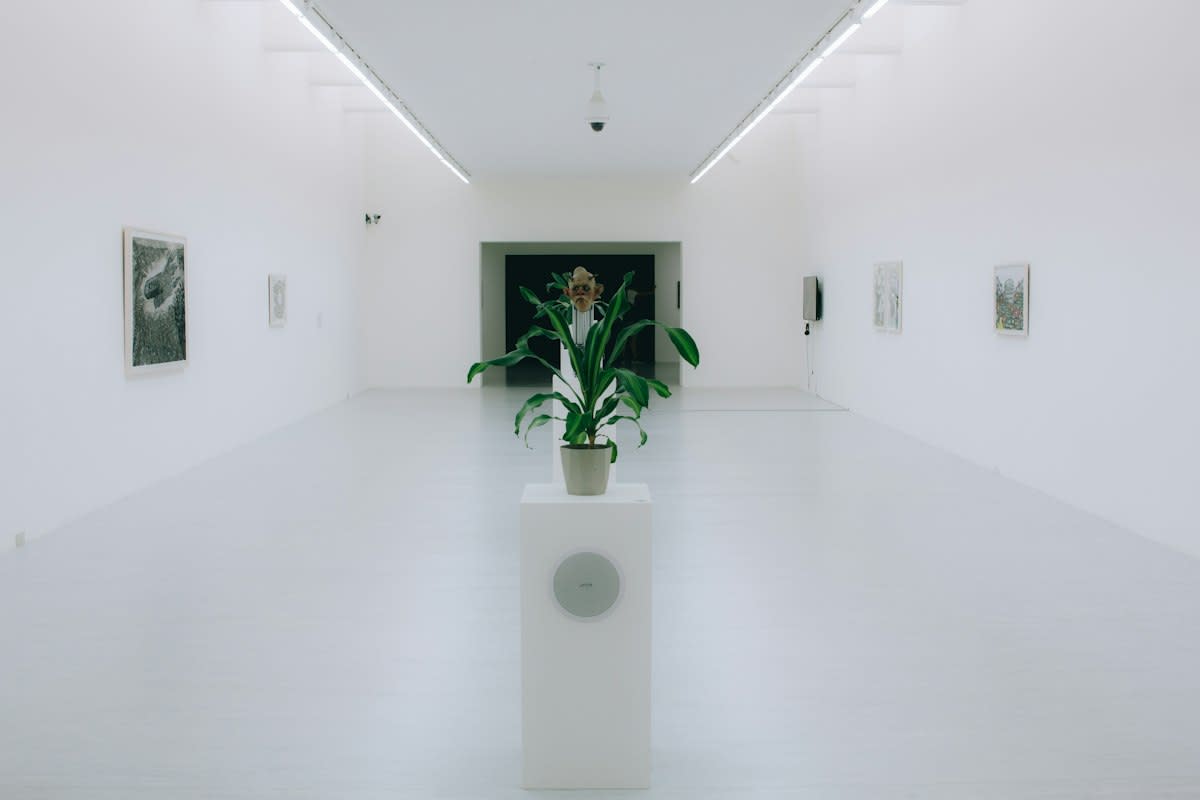
White walls are lying. While the sterile silence of the cube once signaled prestige and exclusivity, the actual movement of capital now bypasses the physical threshold in favor of encrypted digital channels and private dining rooms. The gallery is no longer the marketplace. Do we still need the physical anchor? Most collectors now finalize acquisitions via WhatsApp before the crate even hits the gallery floor (Source: Art Basel & UBS Art Market Report, 2023). This renders the expensive lease a mere marketing expense.
Capital has migrated. The shift toward private placements means the public exhibition functions as a press release rather than a point of sale, creating a strange disconnect between what the public sees and what the collector owns. Physicality now serves as a luxury facade. Why pay for a thousand square feet of prime real estate when the actual transaction occurs in a PDF sent to a private office in Singapore? The weight of the physical space now creates a drag on the bottom line rather than a boost to the brand (Source: Artnet Intelligence, 2024).
The Seoul Saturation
Seoul is saturating. The city's galleries expand their footprints into massive complexes while the actual foot traffic fails to translate into proportional sales growth (Source: Korea Art Market Association, 2023). This creates a strange weight of empty space. Wealthy buyers in East Asia prefer the efficiency of curated digital catalogs over the performance of a physical visit. They treat the gallery as a trophy, not a tool.
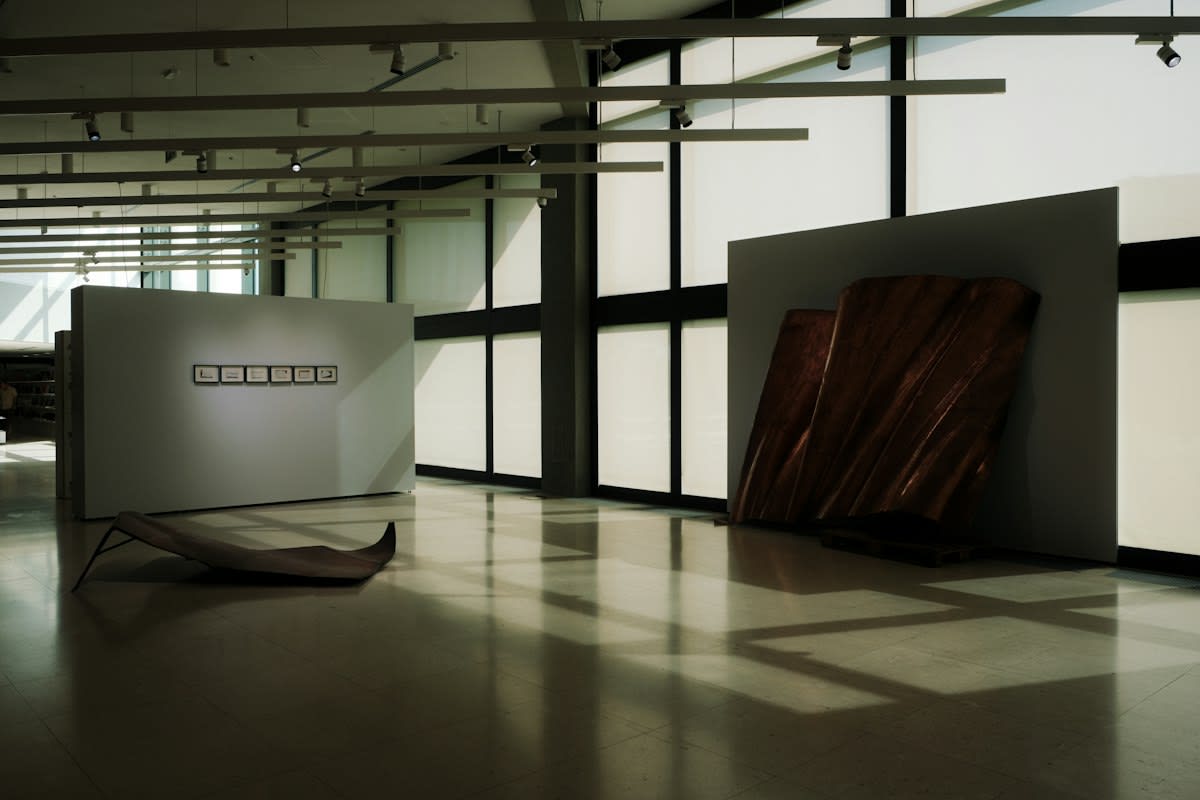
Real estate is eating art. In districts like Hannam-dong, the cost of maintaining a prestige address often outweighs the commission from the works displayed on the walls. This creates a precarious web of debt for mid-tier galleries. They chase the prestige of a physical presence while their actual revenue streams flow through digital portals. The physical space is a costume they wear to appease the traditionalists.
"The physical gallery is no longer the primary site of valuation; it is the site of validation. We sell in the cloud, but we validate in the room."— Julian Lorentz, Senior Analyst at Global Art Metrics
Branding requires blood. To maintain the illusion of relevance, galleries host lavish openings that cost thousands of dollars in catering and staffing for guests who rarely buy on-site. This performance is a relic of a pre-digital era. Collectors now use the opening as a social signal, not a shopping trip. The transaction happens three days later via a secure link.
The Ghost Sale Friction
Insiders fight over ghost sales. Gallery directors often clash with artists when a piece sells via a private digital link before the opening night, leaving the physical exhibition as a hollow shell for the public. This creates a tension where the exhibition serves as a vanity project rather than a commercial engine. The friction resides in the commission splits for works that never technically occupied the gallery space. Artists feel the exhibition is a lie; directors see it as a necessary theater.
Trust is the only currency. When a work sells 'in the dark', the public is left to admire a ghost, which diminishes the perceived value of the physical experience. This attrition of the public's role in the art market accelerates the obsolescence of the gallery. Why visit a show when the best works are already gone? The viewer becomes a tourist in a museum of things they cannot buy.
| Metric | Physical Gallery (Traditional) | Digital/Private Web (Current Trend) |
|---|---|---|
| Overhead Cost | High (Rent, Staff, Insurance) | Low (Server, Digital Curation) |
| Transaction Speed | Slow (Visit -> Negotiation) | Instant (Link -> Wire) |
| Primary Function | Commerce & Discovery | Validation & Branding |
| Client Reach | Local/Regional | Global/Instant |
Lagos is leapfrogging. In Nigeria, a new generation of gallerists is ignoring the white cube entirely in favor of pop-up terrains and decentralized digital hubs (Source: African Art Market Review, 2023). They avoid the weight of long-term leases that bankrupt their peers in London or New York. These practitioners use Instagram and WhatsApp as their primary storefronts. They treat the physical space as a temporary event, not a permanent anchor.
Agility wins the fray. By decoupling the brand from the building, these galleries can shift their focus to where the collectors actually reside. They don't wait for the world to come to them. They move the art to the client. This strategy eliminates the stagnation associated with fixed locations.
The Twelve-Month Delta
The delta is sharp. Twelve months ago, the industry viewed Online Viewing Rooms (OVRs) as a pandemic-era relic that would fade as travel returned. Today, OVRs represent a permanent layer of the commercial web, with digital sales staying steady even as physical fairs return to full capacity (Source: Artnet Intelligence, 2024). The market did not return to 2019; it evolved into a hybrid state. Physical space is for branding, digital space is for banking.
Efficiency is the new prestige. Collectors no longer view the 'trip to the gallery' as a mark of status, but as an inefficiency of time. They demand instant access to provenance and pricing. The galleries that survive are those that treat their physical space as a luxury showroom rather than a warehouse. They have recalibrated their expectations of what a 'visit' means.
Who survives this? The giants with enough capital to treat rent as a marketing loss will endure. The mid-tier galleries will face a brutal attrition as they struggle to justify the cost of the cube. They must either go fully digital or become hyper-specialized boutiques. The middle ground is a death trap.
Fact-Check & Accuracy Note
This report relies on data from the Art Basel & UBS Art Market Report (2023) and Artnet Intelligence (2024). Academic debates continue regarding whether the 'death of the gallery' is a total replacement or a functional specialization. While some argue that physical presence is essential for price discovery, the data shows a clear trend toward digital-first transactions for high-net-worth individuals.
Editorial Note
Editorial Note: This analysis avoids the common narrative of 'crisis' and instead focuses on the adaptation of the art market. The shift is not a failure of the gallery, but a recalculation of its purpose in a globalized, digital economy.