Pakistani show on Netflix: Rules that govern what OTT platforms can stream
Source Entity
Amrita Nayak Dutta
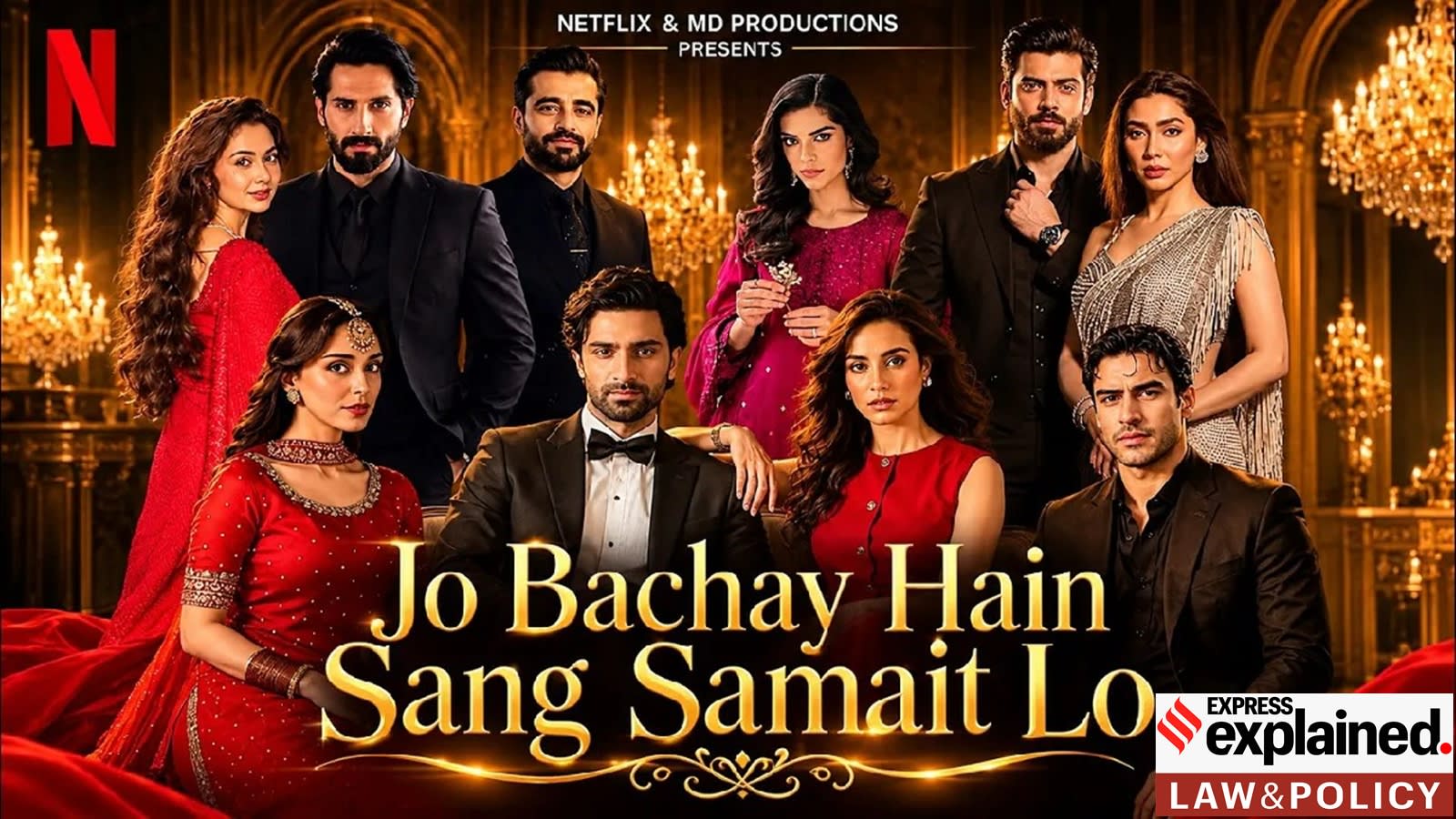
The Indian Ministry of Information and Broadcasting has directed Netflix to refrain from streaming Pakistani content, specifically the series 'Jo Bachay Hain Sang Samait Lo'. Amidst these regulatory pressures and industry protests, Indian rapper Yo Yo Honey Singh was seen interacting with Pakistani singer Atif Aslam at a private event in Dubai.
Tensions Rise Over Pakistani Content on Indian OTT Platforms
Recent developments have placed the digital streaming giant Netflix at the center of a diplomatic and regulatory crossfire in India. The Ministry of Information and Broadcasting (I&B) has issued a stern directive to the platform, reiterating its May 8, 2025, advisory that mandates the exclusion of content originating from Pakistan. This move specifically targets the upcoming web series Jo Bachay Hain Sang Samait Lo, which had sparked significant public and industry-led opposition ahead of its planned December 4 release.
Industry Backlash and Regulatory Directives
The call for a ban has been spearheaded by prominent bodies, including the All Indian Cine Workers Association (AICWA) and the Federation of Western India Cine Employees (FWICE). These organizations argue that streaming Pakistani content is inappropriate given the current geopolitical climate. The government’s intervention reinforces a commitment Netflix allegedly made in June of the previous year, during which the platform assured authorities that no Pakistani-originated films or series were being made available to Indian subscribers. The Ministry’s re-assertion of this stance serves as a firm reminder to global streaming services that they must operate within the bounds of India's specific security and cultural advisories.
Historical Context of the Restriction
The roots of this policy trace back to broader security concerns, specifically following the terror attack in Pahalgam on April 22 of the previous year. During the period of 'Operation Sindoor' in May 2025, the I&B Ministry formalized its position, citing that various terrorist activities in India had been linked to cross-border influences. By framing the restriction as a matter of national security and public sentiment, the government has created a rigid framework that limits the distribution of Pakistani media, regardless of the artistic merit or the global reach of the platforms involved.
The Cultural Paradox: Celebrity Interactions
Interestingly, while the regulatory and industrial sectors are pushing for a hard line on Pakistani content, the cultural sphere continues to exhibit a different narrative. Amidst the height of the controversy, Indian rapper Yo Yo Honey Singh was documented attending a private wedding in Dubai where he was seen engaging warmly with Pakistani singer Atif Aslam. Photographs and videos circulating on social media showed the two artists interacting, with Honey Singh even recreating a popular social media pose with the Pakistani star. This juxtaposition highlights the ongoing complexity of Indo-Pak relations, where personal and artistic camaraderie between celebrities often persists despite the formal barriers erected by state institutions.
Future Implications for Streaming Services
This incident underscores the precarious position of global OTT platforms in India. As they navigate the Indian market, these companies must balance their global content libraries with the specific, often rapidly shifting, regulatory requirements of the Indian government. The demand for a ban on Jo Bachay Hain Sang Samait Lo suggests that any content originating from Pakistan will face intense scrutiny, likely leading to a self-censorship model where platforms preemptively remove such content to avoid legal and public relations conflicts. As the digital landscape evolves, the intersection of national security policy and international entertainment will remain a critical area of tension for both regulators and content providers.