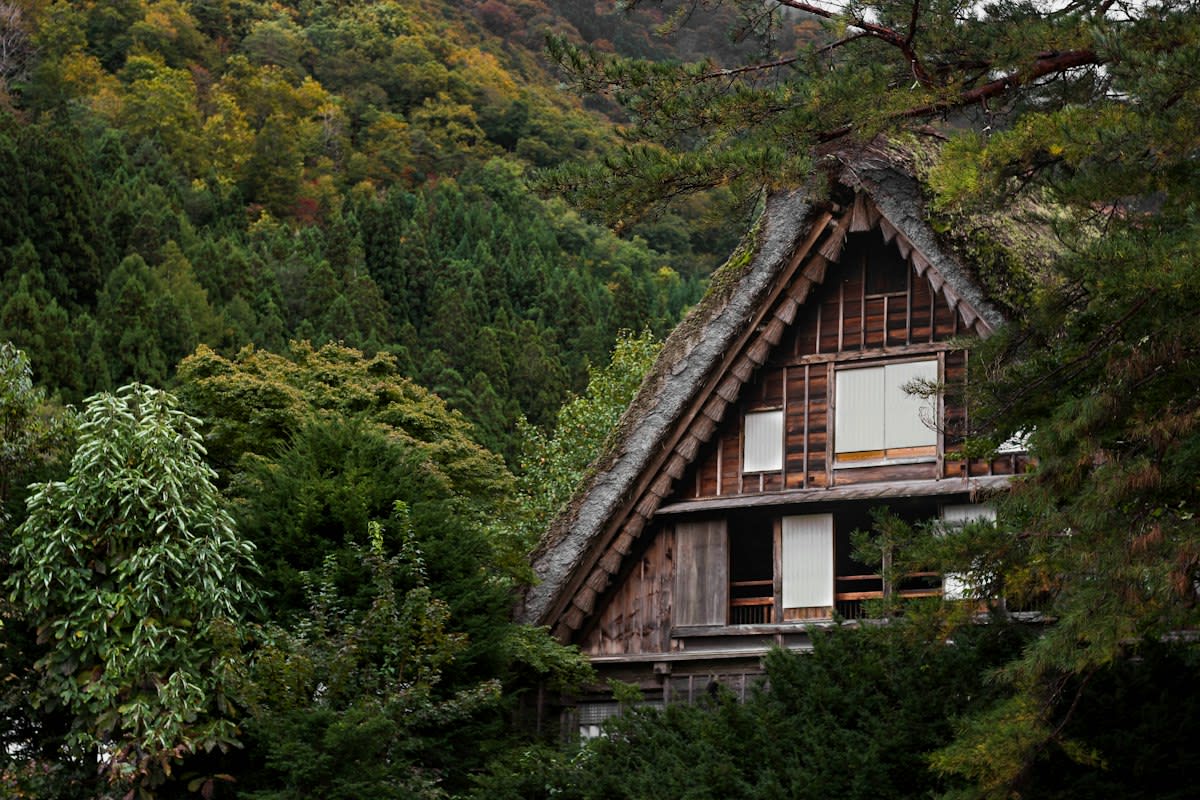
The common narrative is seductive. Buy a derelict house for the price of a used sedan, spend a few months scrubbing mold off cedar beams, and wake up to the sound of mountain streams. It sounds like a bargain. Is it? For most, the 'cheap' entry price of an akiya is a psychological trap. The real cost is not in the purchase, but in the friction of ownership in a society where land is often a liability rather than an asset.
We are seeing a mechanical failure in the traditional Japanese property market. In many rural districts, the default state of a home is no longer 'value' but 'burden'. This is evidenced by a jarring trend where aging inheritors are paying private brokers as much as ¥3 million just to be rid of their inherited homes (Source: JPot, n.d.). When the owner pays the buyer, the market has ceased to function. The property has shifted from a financial asset to a tax-generating anchor.
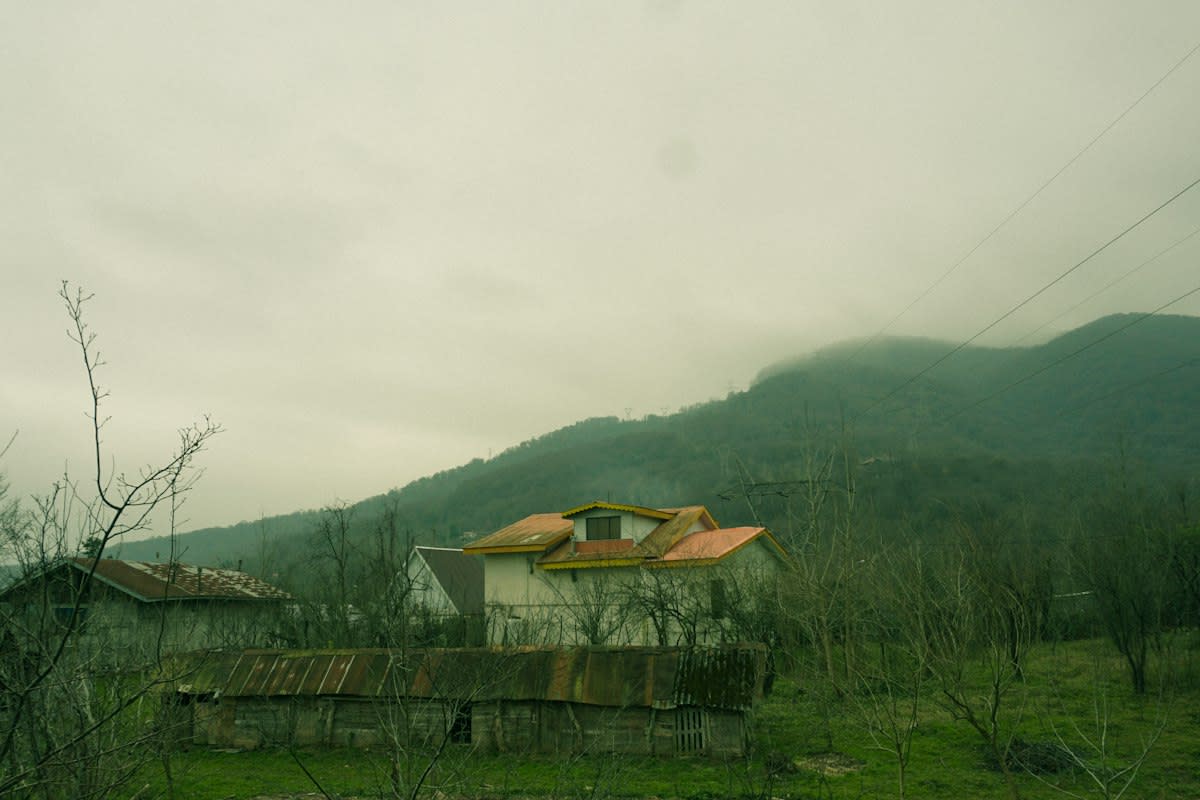
The Cost of Entry vs. The Cost of Existence
Low entry prices are frequently cited as the primary draw for foreign investors and digital nomads. For instance, some properties can be acquired for as little as $19,000 (Source: Jack's Adventures, n.d.). On paper, this looks like a high-margin opportunity. In practice, the purchase price is merely the ticket to enter a web of unforeseen expenses. Structural decay is the obvious hurdle, but the invisible costs—local taxes, community expectations, and the sheer difficulty of sourcing specialized craftsmen in dying villages—often override the initial savings.
Does the math ever actually work? It does for those who treat it as a portfolio play rather than a single-home dream. Some seasoned expats have managed to restore over 40 derelict properties, focusing on conservation as a way to build a sustainable rural footprint (Source: Facebook/Expat Group, n.d.). This scale allows the owner to absorb the individual failures of a single building across a larger asset base. For the solo buyer, one roof collapse can wipe out the perceived equity of the entire project.
| Factor | The Romantic Narrative | The Operational Reality |
|---|---|---|
| Purchase Price | Near-zero or negligible | Low, but often offset by 'exit fees' or broker payments |
| Maintenance | DIY charm and rustic restoration | High friction sourcing materials in remote areas |
| Social Integration | Welcoming village community | Strict unspoken rules and bureaucratic bottlenecks |
| Asset Value | Undervalued gem | Negative equity; potential liability for future heirs |
The transition from owner to resident is where most projects hit a wall. It is not just about the wood and nails. It is about the collision between a foreign sense of individual property rights and the Japanese communal approach to land management. If you buy a house but ignore the village's shared irrigation ditch or the communal weeding schedule, you haven't bought a home—you've bought a social conflict.
The Practitioner's Friction: The Invisible War of Titles
From the inside, the real battle is fought in the local land registry office. Practitioners know that the 'owner' listed on a piece of paper is often a ghost. Because of how inheritance works in Japan, a single plot of land might technically be owned by twelve different cousins, half of whom are deceased and whose heirs cannot be located. This creates a legal bottleneck that can freeze a renovation for years. You cannot legally rebuild a structure if you cannot prove a clean chain of title.
There is a constant internal debate among rural developers regarding 'forced' acquisitions. Some argue for a more aggressive approach to clearing titles to allow for modern redevelopment, while others insist that conservation is the only way to maintain local support. This tension is the edge where most projects fail. The developer who ignores the ancestral weight of the land finds themselves blocked by a village council that can make life impossible through simple administrative delays.
"Facing a nationwide glut of unmarketable vacant homes (akiya), aging Japanese inheritors are paying private brokers as much as ¥3 million just to get rid of inherited homes."— JPot, Analysis of Real Estate Crisis
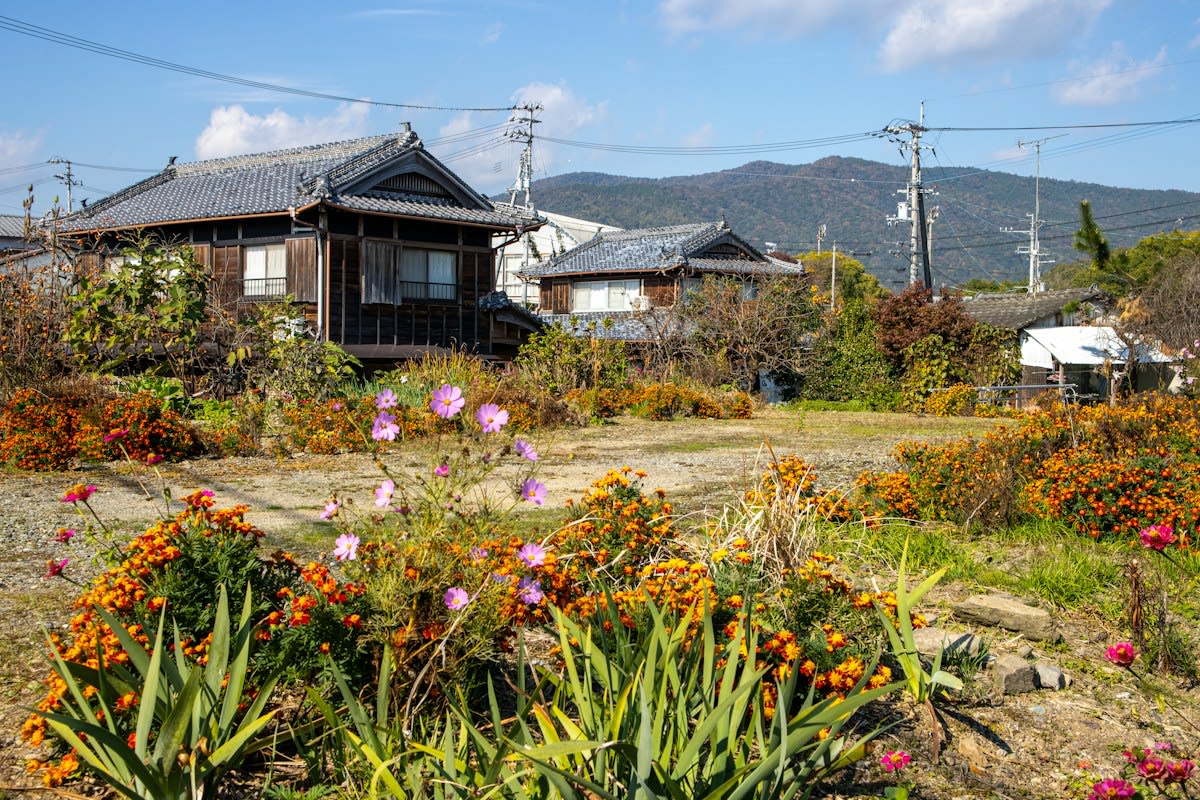
Overriding the Default: A New Rural Economy
If the old model is broken, what is the override? The answer lies in shifting the purpose of the property. Rebuilding a village as a residential suburb is a fantasy; the demographics don't support it. However, rebuilding these spaces as specialized hubs—conservation retreats, remote-work colonies, or boutique agri-tourism sites—creates a new value proposition. The goal isn't to return to the 1950s, but to build a layer of modern utility over the ruins.
This approach requires a different kind of capital. Not just financial, but social capital. The most successful rebuilders are those who treat the village elders as partners rather than obstacles. By providing a service the village actually needs—such as maintaining the local landscape or bringing in young spending power—the developer gains the social license to operate. Without this, the $19,000 house remains a liability, regardless of how many coats of paint you apply.
Fact-Check & Accuracy Note
The data on akiya is often fragmented because many transactions occur off-market or through informal local agreements. While the ¥3 million payout figure (Source: JPot) highlights the extreme end of negative equity, it serves as a critical indicator of the market's dysfunction. Academic debate continues over whether government subsidies can effectively reverse this trend or if the rural collapse is an inevitable demographic correction.
Ultimately, buying an abandoned village is an exercise in risk management. The arbitrage is not in the price of the wood, but in the ability to navigate the social and legal terrain. Those who see only a cheap house are the ones who will eventually pay the broker to take it back.