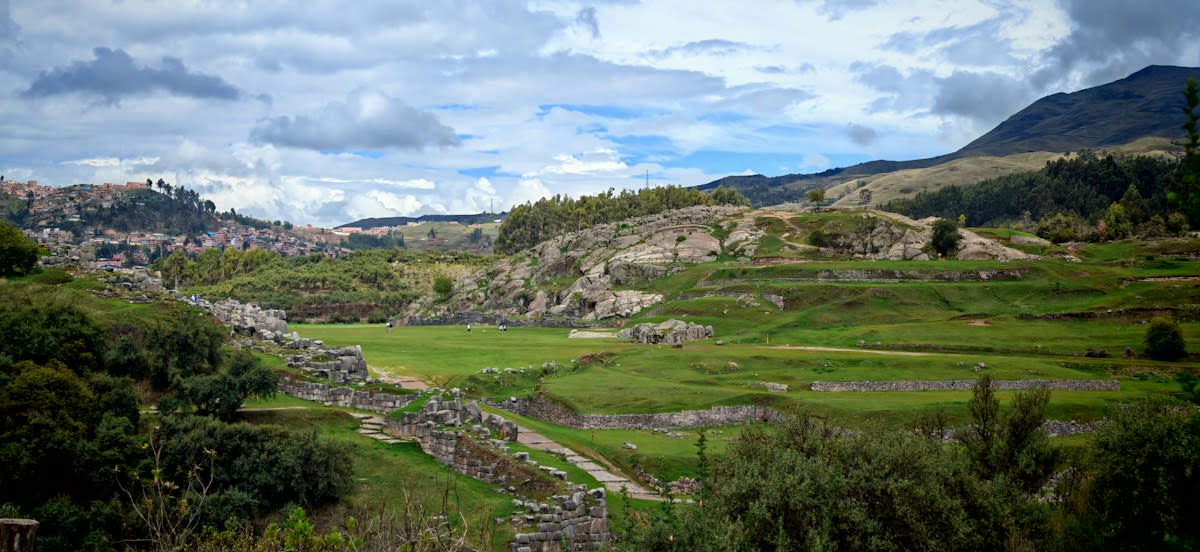
Most people view seed vaults as static museums or grim insurance policies against a global apocalypse. They imagine frozen tubes in a mountain, waiting for a day that we hope never comes. This is a fundamental misunderstanding of the genetic economy. In the Andes, seeds are not just biological data; they are active economic instruments. We are seeing a shift where biodiversity is moving from a philanthropic concern to a quantified financial asset. The real opportunity lies not in the storage of the seed, but in the liquid economy of the biodiversity credits generated by the living systems that produce them.
Prerequisites for the Biodiversity Market
Before attempting to monetize biodiversity or engage in genetic asset management, you need more than just a plot of land. You need a deep integration of ancestral knowledge and modern financial frameworks. In the Andean context, this means understanding that seed selection is not a random process but a sophisticated system traditionally managed by women within the community (Source: Local Biodiversity Outlooks 3, 2026). Without this social layer, any financial mechanism you implement will fail because it ignores the actual labor of conservation.
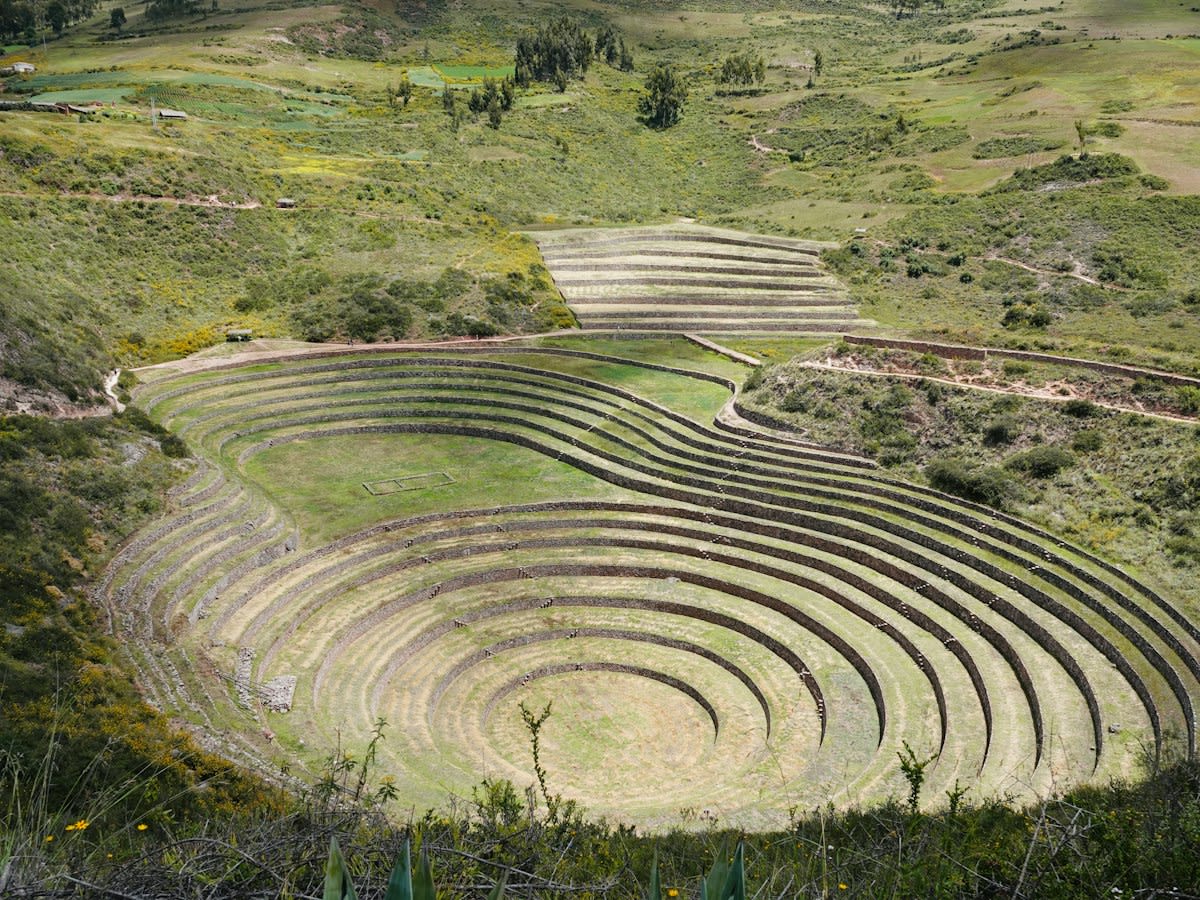
- Knowledge of ancestral agricultural calendars and terrace farming techniques to ensure soil and water conservation.
- Access to community-led seed selection networks, particularly those managed by women.
- A baseline quantification of native species, such as the diverse varieties of native potatoes that provide climate resilience (Source: Local Biodiversity Outlooks 3, 2026).
- Legal frameworks for IP (Intellectual Property) and LC (Land and Community) relationships with territories.
Step-by-Step: Transitioning from Preservation to Monetization
Moving from a 'vault' mentality to a 'value' mentality requires a structured approach. You cannot simply slap a price tag on a seed; you must price the ecosystem service that allows that seed to exist. This process mirrors successful Indigenous-led revitalizations seen in other parts of the world, such as the Zhuoqing village in Taiwan, where traditional farming practices supported both cultural renewal and sustainable local economies (Source: Local Biodiversity Outlooks 3, 2026).
- Identify and Map Genetic Assets: Move beyond the vault. Document the living diversity of native crops and the specific terrace techniques used to conserve them.
- Establish Biodiversity Credits: Instead of relying on offsets, develop biodiversity credits. These are units where biodiversity outcomes are quantified and can be bought and sold, though they are more complex to measure than carbon credits (Source: Local Biodiversity Outlooks 3, 2026).
- Engage in PES Schemes: Advocate for Payment for Ecosystem Services (PES). This ensures that the stewards of the biodiversity—the farmers—are paid for the act of conservation itself (Source: FOOD FORWARD NBSAPs, 2026).
- Leverage State Incentives: Look for institutional support similar to Egypt's model, which provides tax exemptions for farmers adopting sustainable agricultural practices like organic farming or protected cultivation (Source: FOOD FORWARD NBSAPs, 2026).
- Create Community Conservation Funds: Establish green enterprises that reward stewardship, ensuring the financial benefit stays with the producer organizations rather than external brokers (Source: FOOD FORWARD NBSAPs, 2026).
Does this sound like a bureaucratic nightmare? It can be. But the alternative is the continued erosion of genetic diversity. When we treat seeds as assets, we create a financial incentive for the very people who have guarded them for millennia to continue doing so in a modern economy.
The Quantification Friction: A Practitioner's View
Here is the reality that the brochures don't tell you: there is a violent friction between the way a community views a seed and the way a credit trader views it. I have sat in meetings where economists tried to 'unitize' the value of a seed variety that a local family had curated for five generations. The economists wanted a metric; the family wanted respect for the ritual of Pachamama. The internal debate in this field right now is whether we can actually quantify 'cultural renewal' or 'ancestral knowledge' without stripping it of its meaning. If you treat biodiversity purely as a commodity, you risk destroying the social fabric that actually preserves the seeds.
"Biodiversity offsets are frequently ineffective, characterised by low accountability and high vulnerability to external pressures such as forest fires."— Wilson, cited in Local Biodiversity Outlooks 3, 2026

Common Pitfalls in Genetic Asset Management
The most common mistake is confusing 'offsets' with 'credits'. Many practitioners attempt to use biodiversity offsets—paying to protect one area to justify destroying another. As noted in the Local Biodiversity Outlooks 3 (2026), these are often ineffective and lack accountability. Credits, conversely, are based on the actual addition of biodiversity value. If you build your economy on offsets, you are building on sand.
Another pitfall is ignoring the gender dynamics of seed conservation. In the Andes, women are the primary keepers of seed selection and conservation (Source: Local Biodiversity Outlooks 3, 2026). When finance mechanisms are introduced, the money often flows to the male heads of households or community leaders, bypassing the actual practitioners. This leads to a degradation of the seed quality because the people doing the work are no longer the ones being rewarded.
Fact-Check & Accuracy Note
Key claims regarding the ineffectiveness of biodiversity offsets and the role of women in Andean seed conservation are sourced from Local Biodiversity Outlooks 3 (2026). The details on Egypt's tax incentive architecture and PES schemes are sourced from the FOOD FORWARD NBSAPs (2026) report. The debate regarding the quantification of biodiversity credits versus carbon credits remains an ongoing point of contention among environmental economists.
Ultimately, the new economy of biodiversity is not about saving the world from a crash; it is about valuing the living infrastructure that prevents the crash from happening. By shifting from a model of storage to a model of stewardship, we turn the Andes from a remote mountain range into a global genetic treasury.