'Insult to Uttarakhand': Dhami slams Akhilesh over 'infiltrator' jibe
Source Entity
KARAN MANRAL
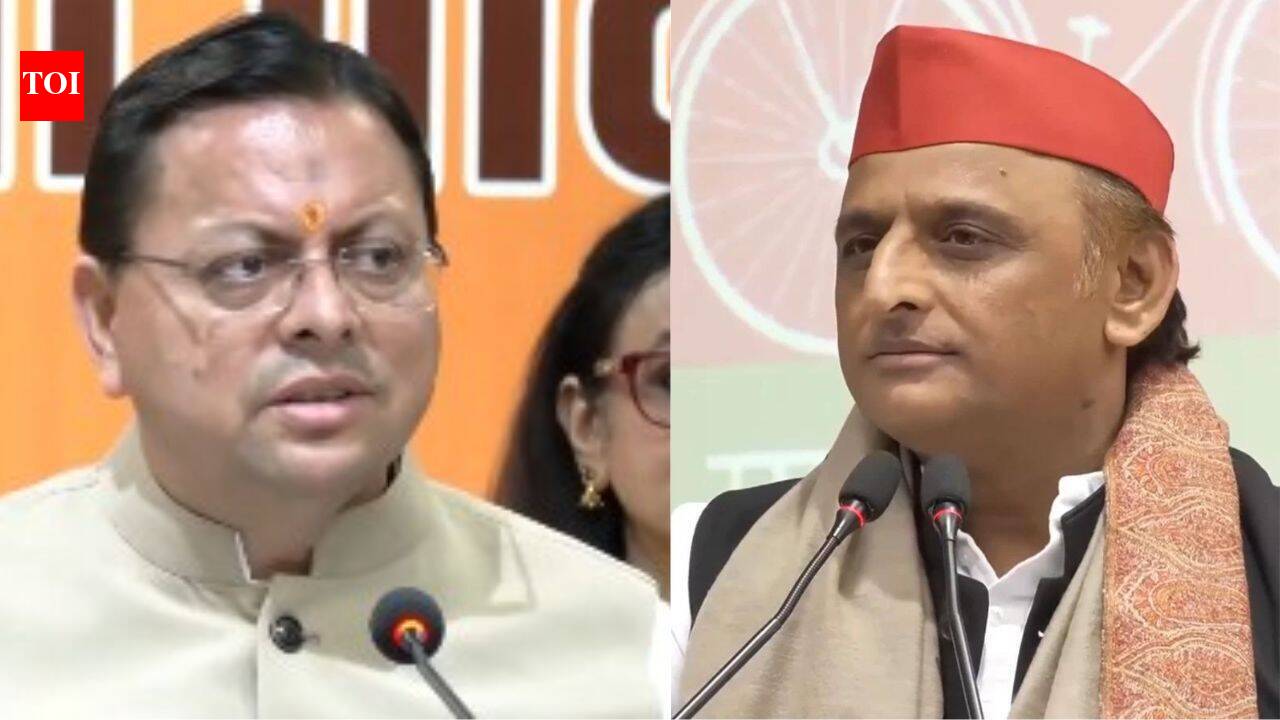
Uttarakhand Chief Minister Pushkar Singh Dhami has criticized Samajwadi Party leader Akhilesh Yadav for his remarks regarding 'infiltrators' in the state. The exchange highlights escalating political tensions and competing narratives over demographic shifts and regional identity in Uttarakhand.
Political Tensions Flare Over Uttarakhand Demographics
The recent exchange between Uttarakhand Chief Minister Pushkar Singh Dhami and Samajwadi Party leader Akhilesh Yadav marks a significant intensification of political rhetoric surrounding the sensitive issue of demographic change in the Himalayan state. By labeling recent commentary from the opposition as an 'insult to Uttarakhand,' CM Dhami has positioned himself as the primary defender of the state’s regional identity and security interests against what he perceives as external interference or dismissive attitudes.
The Context of the 'Infiltrator' Jibe
The core of this controversy stems from comments made by Akhilesh Yadav regarding the presence of 'infiltrators' within Uttarakhand. In the volatile landscape of regional Indian politics, the term 'infiltrator' is often loaded with implications regarding border security, illegal migration, and the preservation of local cultural heritage. By challenging these remarks, Dhami is not merely engaging in a partisan spat; he is reinforcing a narrative that links his administration’s legitimacy to the protection of the state's specific socio-political fabric.
Strategic Political Posturing
For Chief Minister Dhami, this confrontation serves as a strategic opportunity to consolidate his voter base. By framing Yadav’s comments as an affront to the state itself, the BJP leadership in Uttarakhand aims to heighten awareness around the issue of illegal migration, which they claim threatens the demographic balance of the region. This strategy is designed to appeal to local sentiments that prioritize the protection of land rights and cultural continuity, issues that have historically been central to Uttarakhand's political discourse since its inception as a state.
Historical Sensitivity and Regional Identity
Uttarakhand has always been deeply sensitive to issues of migration and demographic shifts due to its status as a border state with significant strategic importance. The historical context of the movement for statehood was rooted in the desire to preserve local identity from external pressures. Consequently, any political discourse involving 'infiltrators' is treated with extreme gravity by the local populace, making it a potent tool for political mobilization for leaders like Dhami.
Broader Implications and Future Trends
Looking forward, this verbal duel suggests that demographic concerns will remain a cornerstone of the political agenda in Uttarakhand. As the state faces challenges related to infrastructure development, urbanization, and migration, political actors will continue to utilize these themes to galvanize public support. We can expect further legislative or administrative focus on residency documentation and land ownership laws as the ruling party seeks to address these concerns head-on, effectively turning the 'infiltrator' narrative into a catalyst for policy shifts.
Conclusion
The clash between Dhami and Yadav is emblematic of the broader ideological divide in Indian politics, where national leaders often find themselves at odds with regional priorities. As the discourse evolves, the ability of local leadership to address these demographic concerns while maintaining social harmony will be the ultimate test of their governance. For now, the exchange serves as a clear indicator that identity politics and security narratives will continue to dominate the political landscape in Uttarakhand.