US official: Russia's stalker satellite sure looks like an orbital weapon
Source Entity
Stephen Clark
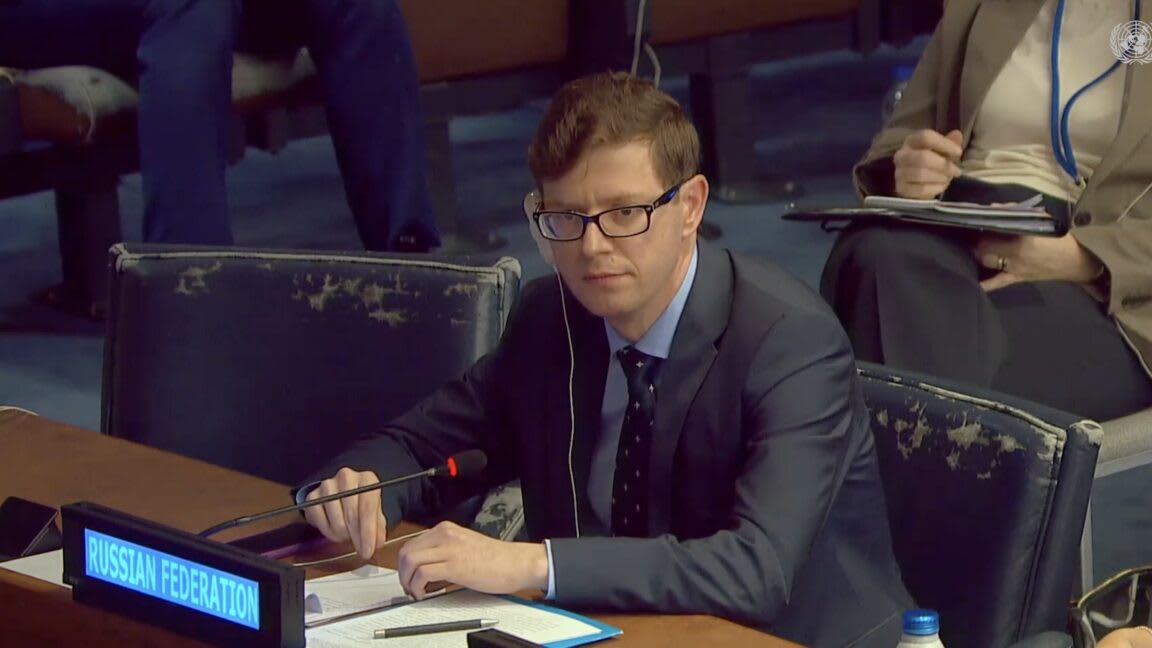
A Russian military satellite recently maneuvered near a US commercial satellite, sparking international concern over orbital weaponization. Despite past threats from Russian officials labeling such satellites as legitimate targets, Moscow now claims these fears are unfounded.
The Escalating Shadow War in Low Earth Orbit
Recent maneuvers by the Russian military spacecraft Kosmos 2612 have brought the precarious nature of orbital security into sharp focus. By approaching a US-registered commercial satellite at an altitude of approximately 340 miles, Russia has reignited concerns regarding the militarization of space. This incident is not an isolated event but rather the latest chapter in a growing geopolitical tension where the lines between civilian infrastructure and military assets have become increasingly blurred.
The Rhetorical Incongruity
The situation is complicated by the contradictory messaging emanating from Moscow. Konstantin Vorontsov, deputy head of Russia’s delegation to the United Nations, previously identified commercial satellite networks—specifically those aiding Ukraine—as 'legitimate targets.' However, following the recent close encounter in space, Vorontsov dismissed international anxieties as 'unfounded.' This stark shift in narrative, occurring within the halls of the UN General Assembly’s First Committee, highlights a strategic attempt to project normalcy while simultaneously testing the operational boundaries of space-based assets.
Commercial Satellites as Strategic Targets
For years, commercial satellite constellations have become essential to modern warfare, providing critical data, communications, and logistical support to forces on the ground. The targeting of these assets represents a shift in military doctrine, where space is no longer merely a domain for observation but a theater of direct engagement. By stalking these satellites, Russia is signaling that the 'sanctuary' status of commercial infrastructure in space is effectively null and void in the eyes of their military planners.
The Threat of Orbital Weaponization
The proximity of Kosmos 2612 to a US-registered craft serves as a physical demonstration of potential offensive capabilities. Orbital 'stalking' maneuvers are often precursors to more aggressive actions, such as electronic warfare, physical collision, or kinetic interception. The international community views these maneuvers with alarm because they lack clear transparency, leaving other spacefaring nations to guess at the intent behind such proximity.
Broader Implications for Global Security
If the trend of treating commercial satellites as military targets continues, the risk of accidental escalation in space grows exponentially. A collision or the disabling of a satellite could trigger a chain reaction of debris, threatening the global economy, which relies heavily on satellite-based GPS, telecommunications, and financial synchronization. The lack of robust international norms or treaties governing these specific types of close-approach maneuvers exacerbates the potential for a catastrophic miscalculation.
Conclusion: A New Era of Space Diplomacy
The recent maneuvers by Kosmos 2612 underscore the urgent need for a renewed diplomatic framework regarding space safety. As Russia shifts its rhetoric from overt threats to dismissive denials, the international community must grapple with the reality that the space domain is becoming a primary site of competition. Future stability will depend on whether nations can agree on 'rules of the road' for orbital operations, or if the current era of 'stalker satellites' will lead to an irreversible breakdown in space-based security.