Watch: Ukraine hit by strikes after Russia agrees to new peace talks
Source Entity
BBC News
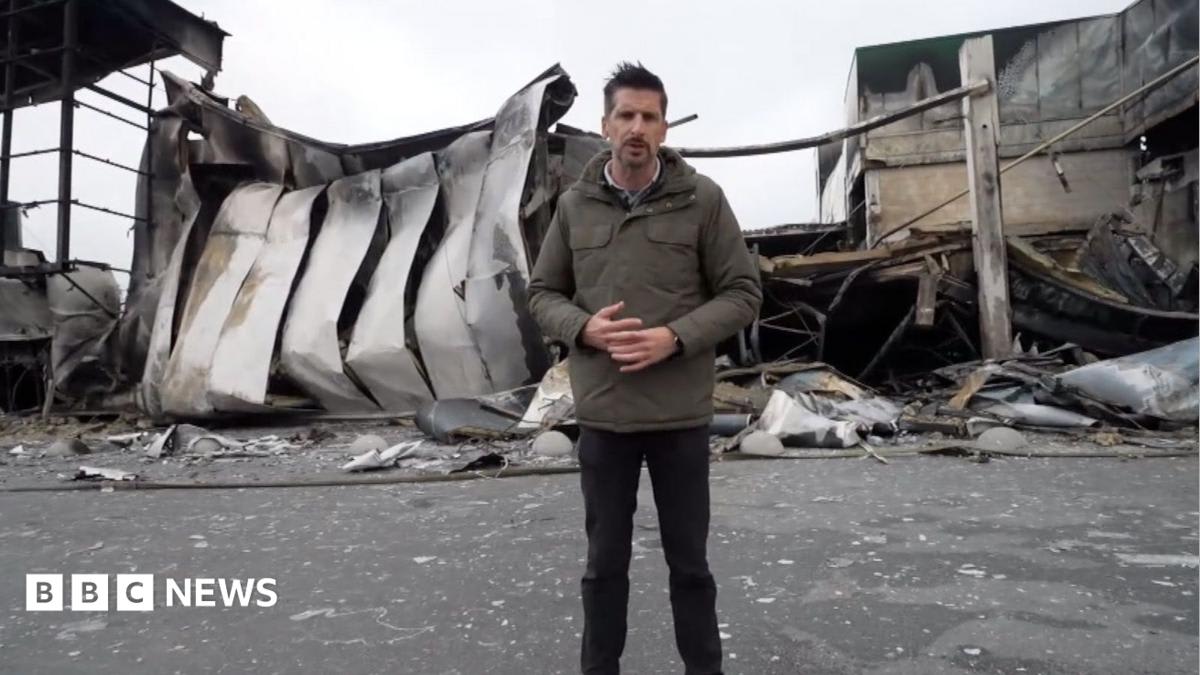
Russia has launched multiple missile strikes on Kyiv shortly after expressing a willingness to resume peace talks. This contradiction highlights the volatile nature of the conflict and the skepticism surrounding diplomatic overtures.
The Paradox of Diplomacy Amidst Escalation
The recent barrage of missile strikes on Kyiv, occurring mere hours after Russia signaled a readiness to resume peace negotiations with the United States and Ukraine, represents a profound contradiction in the ongoing conflict. This strategic inconsistency—coupling diplomatic overtures with kinetic military action—serves to undermine the credibility of Moscow’s claims regarding their desire for a peaceful resolution. By launching three distinct waves of missile attacks, Russia has effectively signaled that its military objectives remain prioritized over the potential for de-escalation.
The Rhetorical Gap and Global Perception
The situation is further complicated by the stark contrast in rhetoric coming from international envoys and the reality on the ground. US envoy Steve Witkoff’s recent characterization of President Vladimir Putin as a "humanitarian" following a meeting in St. Petersburg stands in direct opposition to the destruction witnessed at the retail park reported by the BBC. This dissonance creates a complex challenge for international observers and Ukrainian leadership, who must navigate the fine line between engaging in necessary diplomatic channels and addressing the immediate, violent realities of the ongoing invasion.
Tactical Implications of Missile Waves
The execution of three separate waves of missile strikes is a calculated tactical choice, likely intended to overwhelm local air defense systems and inflict maximum psychological and material damage. By timing these strikes to follow immediately after a public statement regarding "readiness in principle" for talks, Russia appears to be employing a strategy of "coercive diplomacy." This approach attempts to force Ukraine and its Western allies into a defensive posture, potentially weakening their negotiating position before formal discussions can even commence.
The Impact on Ukrainian Sovereignty
For President Volodymyr Zelensky, the irony of the situation was not lost, as he sarcastically referred to the attackers as "Russian humanitarians." This linguistic retort underscores the deep-seated distrust that has developed between the two nations after years of conflict. The destruction of civilian infrastructure, such as the retail park in Kyiv, serves as a grim reminder that the civilian population remains the primary victim of these geopolitical maneuvers, regardless of the verbal commitments made at the diplomatic table.
Future Outlook and Diplomatic Challenges
Looking forward, the prospects for sustainable peace remain fragile. The pattern of offering dialogue while simultaneously expanding military operations suggests that Russia may be using the promise of talks as a tactical pause or a propaganda tool to shift international blame. Unless there is a tangible change in military conduct on the ground, the international community will likely remain skeptical of any "in principle" agreements. The path to a genuine ceasefire will require more than just rhetoric; it will demand a verifiable cessation of the missile campaigns that continue to devastate Ukrainian cities.