Spotify is busting free of CarPlay with the launch of its first native car app
Source Entity
Andrew J. Hawkins
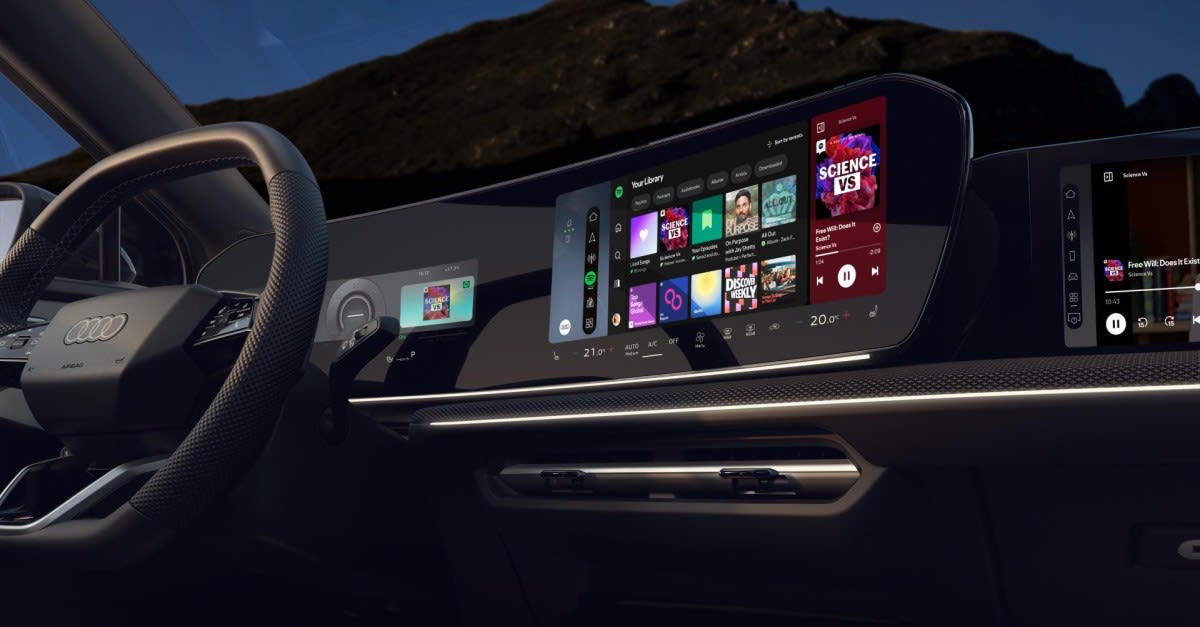
Spotify has launched a native in-car application for Google's Android Automotive OS, debuting in select Audi models. This move marks a strategic shift away from phone-dependent projection systems like Apple CarPlay.
Spotify’s Evolution: Moving Beyond Phone Projection
Spotify has officially transitioned into a new era of automotive integration with the launch of its first native application built specifically for Google’s Android Automotive operating system. By moving the software directly onto the vehicle’s infotainment hardware, Spotify is effectively decoupling the user experience from the mobile phone, a significant departure from the industry-standard reliance on smartphone tethering.
The Shift to Native Hardware Integration
For years, the automotive industry has relied on projection systems like Apple CarPlay and Android Auto to bridge the gap between mobile devices and vehicle screens. These systems require users to physically connect their phones via USB or wireless protocols. Spotify’s new, standalone application eliminates these intermediaries entirely. By running directly on the car's native OS, the app removes the need for Bluetooth pairing, auxiliary cables, or the constant battery drain associated with sustained phone tethering.
Strategic Implications for In-Car Media
This development represents a clear strategic pivot for Spotify. By embedding itself directly into the vehicle's operating system, the company is positioning itself to be a primary layer of the automotive user interface rather than a secondary app filtered through a phone’s projection software. This move allows for a more seamless, integrated design language that aligns with the specific capabilities of the vehicle's dashboard, potentially offering a more stable and high-fidelity streaming experience.
The Role of Android Automotive
Google’s Android Automotive OS is increasingly becoming the backbone of modern vehicle interfaces, as automakers look to provide a smartphone-like experience without the limitations of external devices. Spotify’s early adoption of this platform suggests they are prioritizing partnerships with manufacturers like Audi to secure a dominant position in the next generation of connected vehicles. This integration is a critical step in the broader trend of turning automobiles into 'smart devices' on wheels.
Future Trends in Automotive Connectivity
As vehicles become more autonomous and software-defined, the reliance on external hardware like smartphones is expected to diminish. Spotify’s move is likely just the beginning of a broader industry shift where content providers seek deep, native integration with automotive operating systems. This transition promises to streamline the user experience, making the car a standalone entertainment hub that functions independently of the driver's personal mobile device.
Conclusion
By launching a native app in select Audi models, Spotify is setting a new benchmark for automotive media consumption. This strategic move highlights a transition away from the phone-projection era and toward an integrated, hardware-native future, signaling a major shift in how we will interact with our vehicles in the coming years.