'We'll Do A Little Stopover After Iran': Trump Revives Talk Of US Action In Cuba
Source Entity
NDTV News Search Records Found 1000
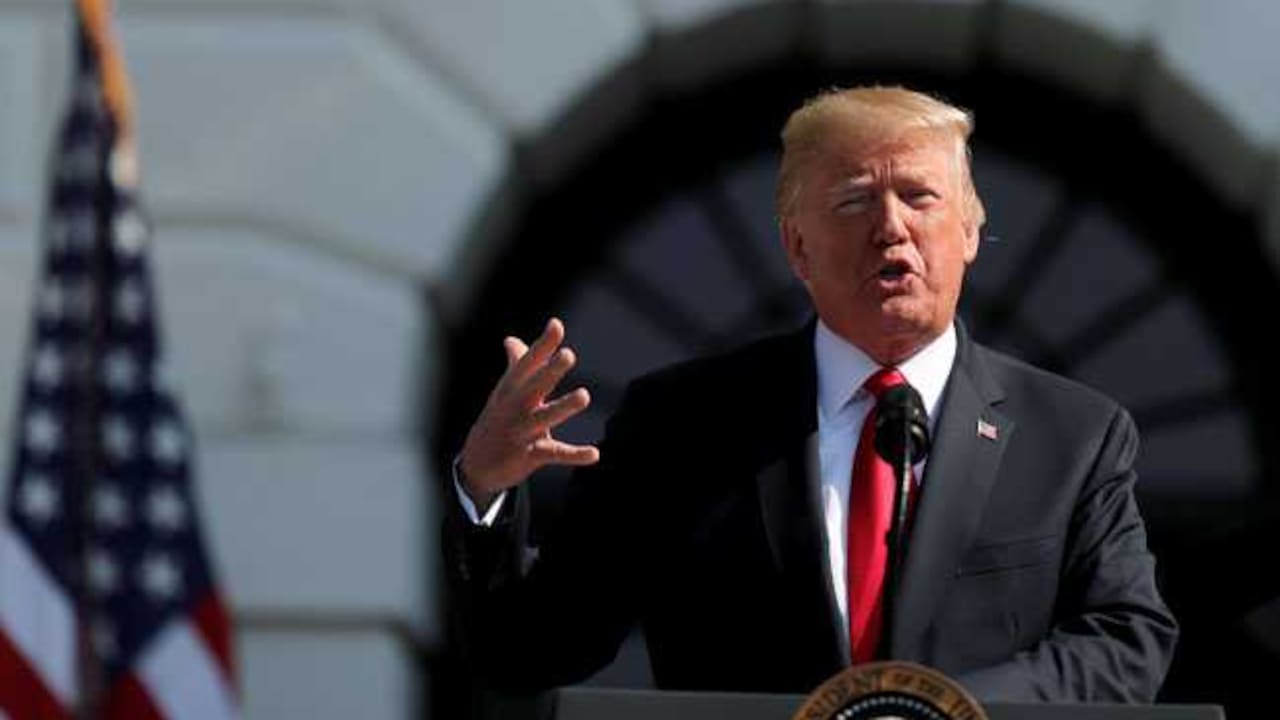
President Trump has suggested US warships returning from Iran may stop near Cuba, while Secretary of State Marco Rubio is actively encouraging Cubans to collaborate with the CIA for political change. These developments coincide with a deepening economic crisis in Cuba and heightened US pressure against the communist government.
The Resurgence of US-Cuba Tensions
The geopolitical landscape in the Western Hemisphere has shifted dramatically as President Donald Trump revived the possibility of US military intervention regarding Cuba. Following his remarks at a South Florida rally, Trump suggested that US warships returning from the ongoing conflict with Iran could make a "little stopover" near the island. This rhetoric signals a significant escalation in the Trump administration's long-standing hardline stance against the communist leadership in Havana, particularly as the US approaches midterm elections.
The Strategic Role of Marco Rubio
Secretary of State Marco Rubio has emerged as a central figure in this intensifying pressure campaign. Drawing on his own heritage as the child of Cuban immigrants, Rubio has publicly urged Cuban citizens to capitalize on this moment of instability. In a direct call to action, he encouraged those seeking political change to form a partnership with the CIA. This overt solicitation for collaboration with US intelligence agencies represents a bold, unconventional diplomatic maneuver intended to undermine the current Cuban administration from within.
Economic Instability as a Catalyst
This renewed aggression occurs against the backdrop of a severe economic crisis within Cuba. As the island faces shortages of essential goods—including fuel and groceries—the US government has utilized this vulnerability to tighten sanctions and apply diplomatic pressure. The administration's narrative frames the Cuban government’s failure to provide for its citizens as a primary justification for their interventionist rhetoric, effectively linking domestic Cuban dissatisfaction with broader US foreign policy objectives.
The Intersection of War and Diplomacy
The timing of these developments is inextricably linked to the US war with Iran. By leveraging the return of naval assets from the Middle East, the administration is projecting military capability closer to home. This strategic posturing serves a dual purpose: it signals to international adversaries that the US maintains the capacity to project power across multiple theaters, and it reinforces the administration's "America First" commitment to dismantling regimes it deems hostile to its interests.
Historical Context and Future Implications
Historically, the relationship between the US and Cuba has been defined by decades of sanctions and strained diplomatic ties. The current administration’s decision to pursue criminal charges against former leader Raúl Castro marks a departure from previous engagement efforts, signaling a shift toward total regime delegitimization. As the CIA initiates recruitment efforts for intelligence gathering on the island, the potential for civil unrest or a shift in the status quo remains high.
Conclusion: A Precarious Path Forward
As US officials continue to signal that "now is the time" for political change, the coming weeks will be critical. The combination of military posturing, overt encouragement of internal dissent, and economic strangulation suggests that the US is actively attempting to force a tipping point in Cuban politics. Whether this strategy will lead to the desired regime change or further isolate the island remains a subject of intense global scrutiny.
Verification Required?