Iranian plots to target US diplomats reach ‘advanced stages’, extend beyond Middle East: Report
Source Entity
Latest News: Todays Latest News Headlines from India & World | Hindustan Times | Hindustan Times
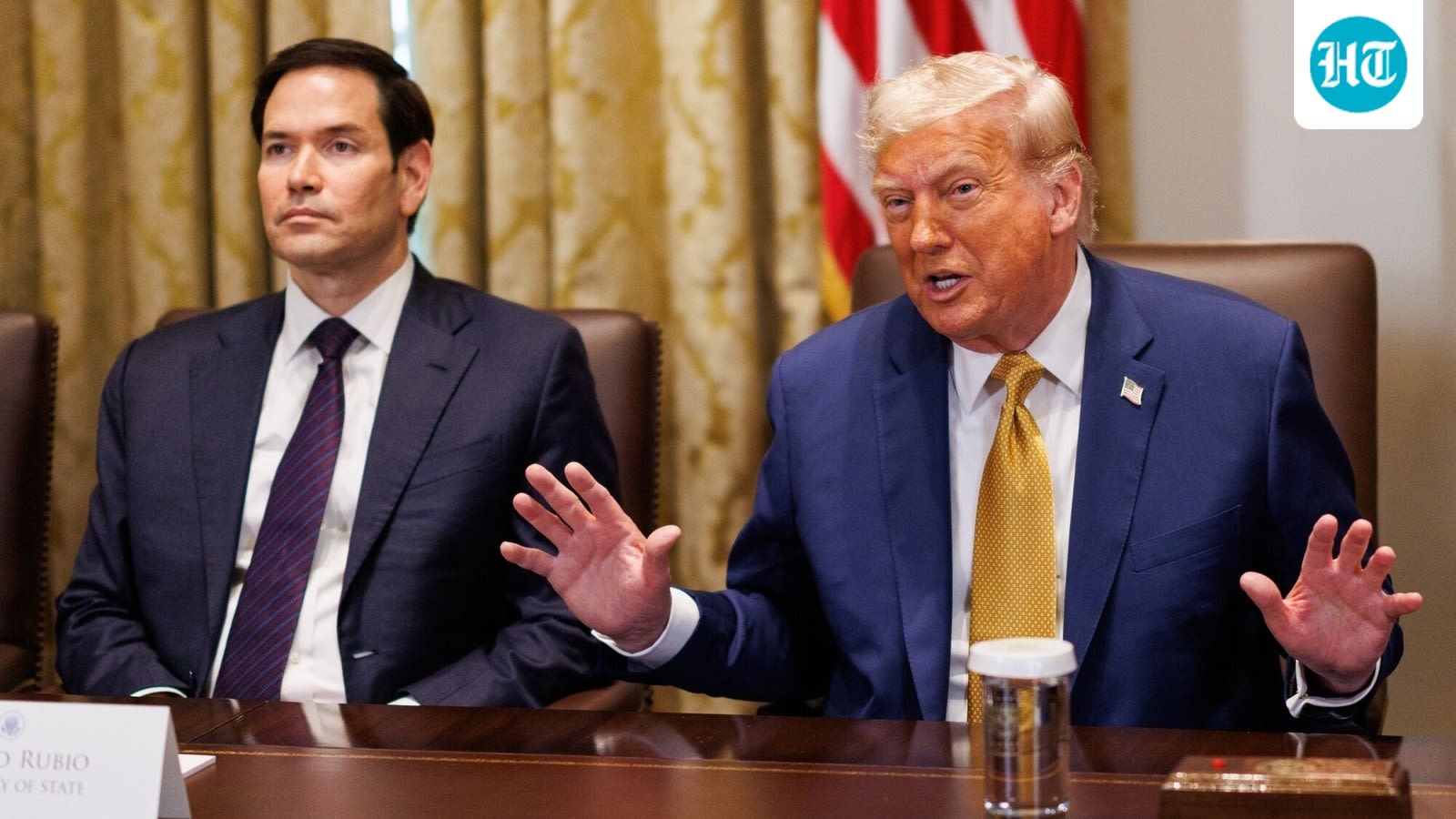
US intelligence reports indicate that Iranian plots targeting American diplomats have reached advanced stages globally. In response, the State Department is reducing embassy staffing to mitigate risks of potential violence.
Escalating Security Threats Against US Personnel
Recent intelligence disclosures have brought to light a significant intensification in Iranian efforts to target American diplomats and government officials. According to a memo obtained by Axios dated October 23, these activities have moved beyond mere surveillance or posturing, reaching what officials describe as 'advanced stages.' This transition from potential threats to actionable, lethal plotting marks a precarious shift in the geopolitical landscape, necessitating an immediate reassessment of security protocols for US diplomatic missions worldwide.
The Global Scope of Iranian Operations
While tensions between the United States and Iran have historically been concentrated in the Middle East, the current intelligence suggests a broadening of operational theater. The reports indicate that these plots are not confined to the immediate region but extend to other parts of the world. This geographical expansion underscores a strategic shift, suggesting that Iranian entities are seeking to project power and exert pressure on the United States by identifying vulnerabilities in less traditional, more global environments where security may be perceived as more porous.
Strategic Response: Reducing Diplomatic Footprint
In direct response to these credible threats, the US State Department has initiated the reduction of staffing at various embassies throughout the Middle East. This decision represents a difficult compromise between maintaining diplomatic presence and ensuring the safety of personnel. Reducing embassy staff is a significant move that signals the severity of the threat assessment, as it inherently limits the capacity for diplomatic engagement, cultural exchange, and intelligence gathering in those specific jurisdictions.
Broader Geopolitical Implications
The emergence of these plots occurs within a highly volatile climate involving key US officials, including Secretary of State Marco Rubio and President Donald Trump. The potential for these plots to result in the loss of life carries the risk of triggering a wider, uncontrolled confrontation. If an attack were to be successfully executed, the United States would be under immense domestic and international pressure to respond, potentially escalating a regional conflict into a more extensive military or diplomatic crisis that could reshape alliances across the globe.
Historical Context and Future Trends
Historically, the targeting of diplomats has been a hallmark of proxy warfare, intended to disrupt foreign policy through intimidation. By moving into 'advanced stages,' these current plots suggest a departure from the calculated restraint that has occasionally characterized previous periods of US-Iran friction. Looking ahead, the trend points toward a more aggressive posture from Iranian actors, which will likely force the United States to adopt more restrictive security measures, potentially leading to a long-term 'bunker mentality' for US diplomatic outposts in hostile territories.
Conclusion: The Path Forward
The situation remains fluid, with security officials working to counteract these sophisticated threats. As the administration navigates this tension, the primary challenge will be to deter further aggression without inadvertently stumbling into a broader conflict. The international community will be watching closely to see how the United States balances its commitment to global diplomacy with the imperative of protecting its citizens from these escalating, lethal threats.
Verification Required?