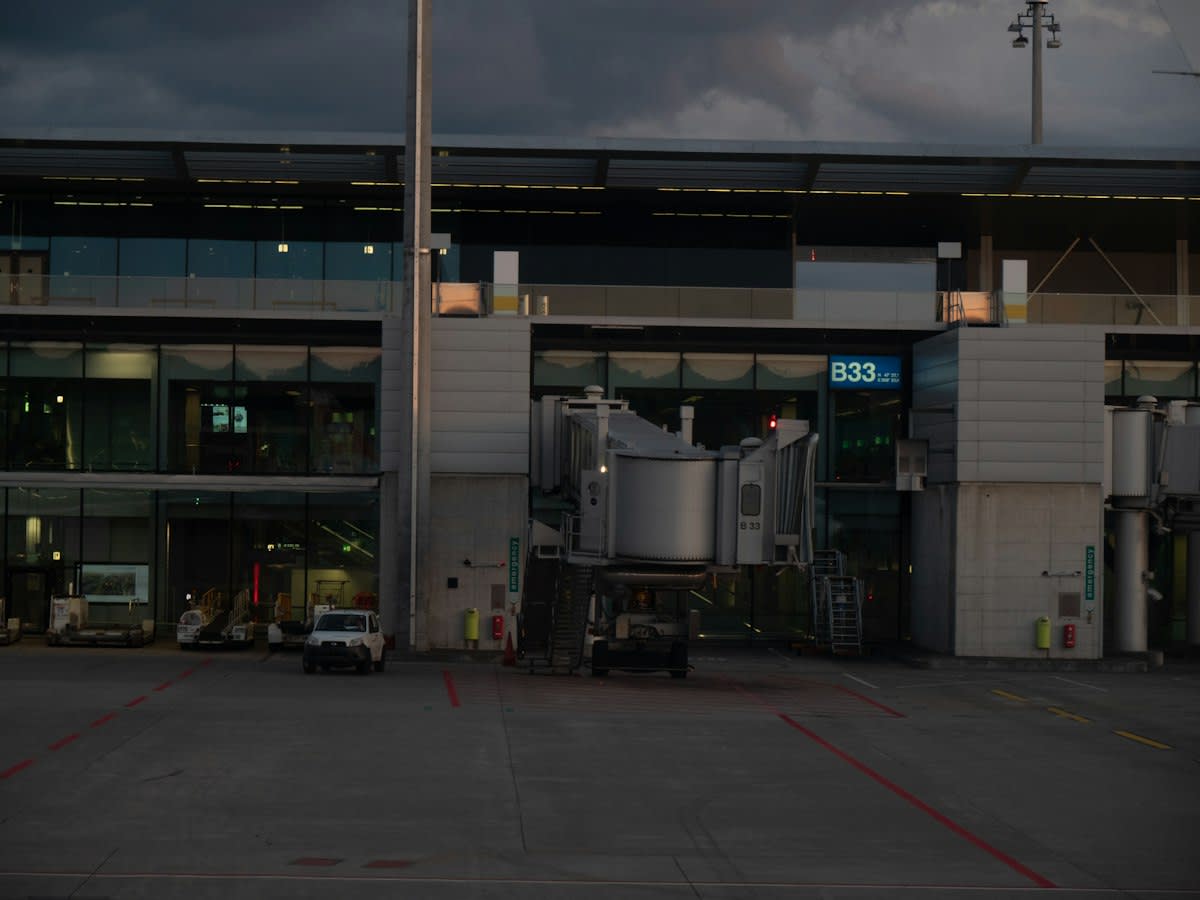
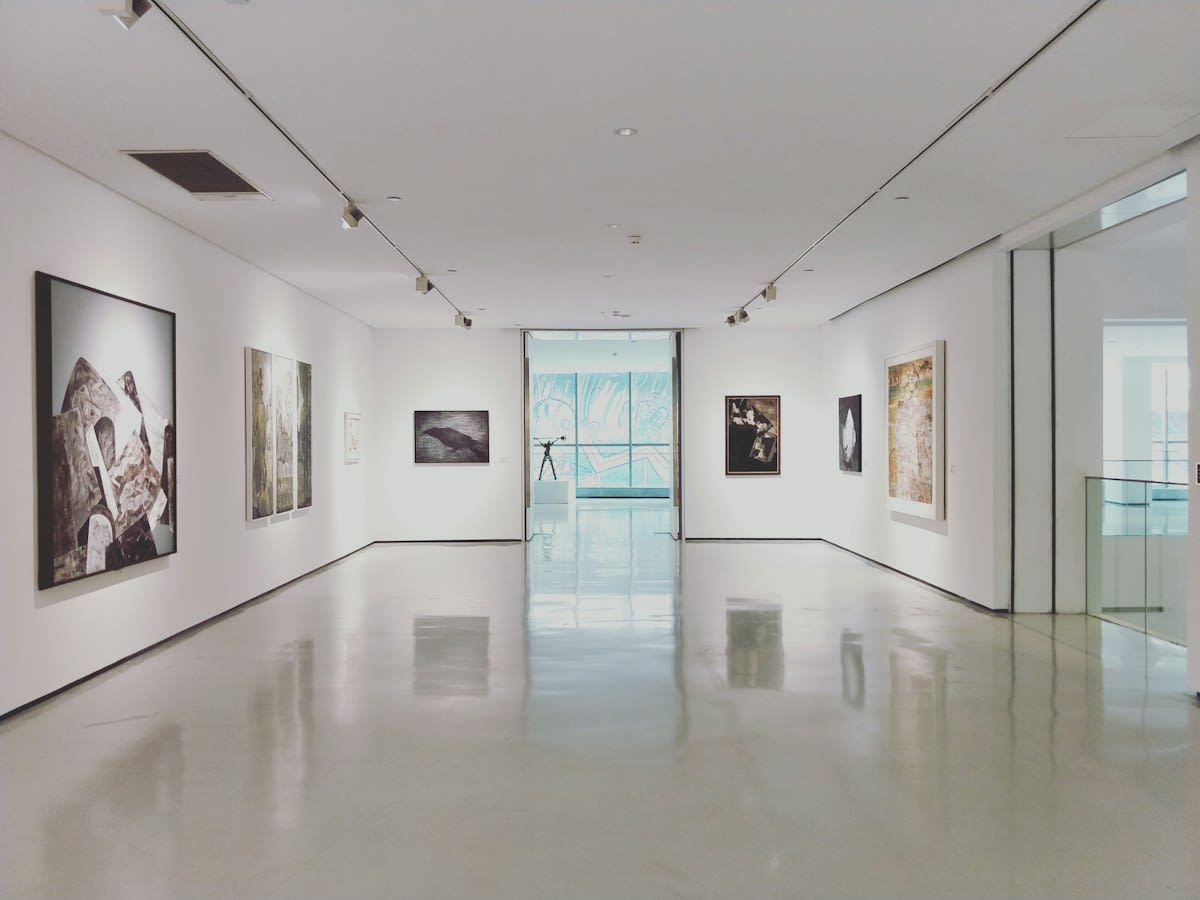
Basel hides immense wealth. 65% of high-value transactions occur via intermediaries who mask the ultimate beneficial owner (Source: Art Basel & UBS, 2023). This opacity is not an accident but a feature of a market that treats canvas and pigment as portable currency. The neon-bleached walls of the galleries serve as a frontend for a much darker, zinc-flavored reality of tax avoidance and asset shielding. When a painting moves from a gallery to a vault, it often ceases to be art and becomes a financial instrument designed to survive inflation and political instability.
The Freeport Paradox
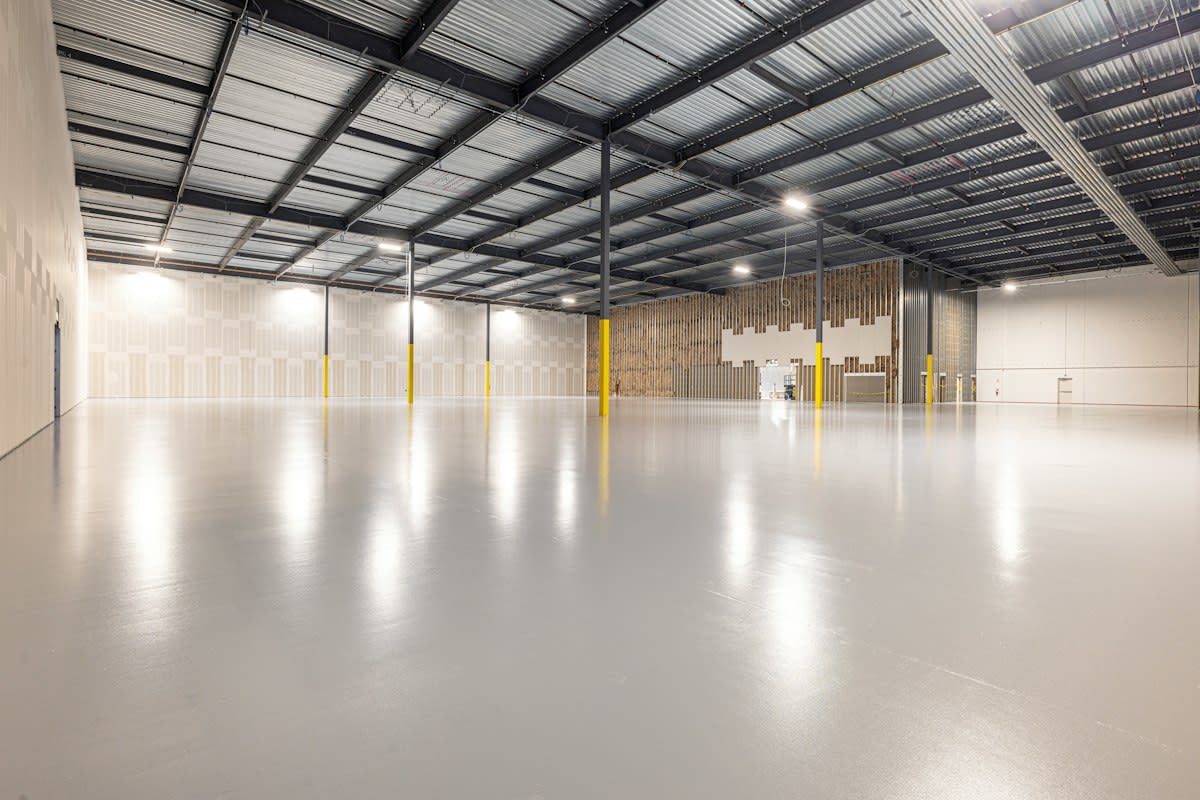
Swiss freeports operate as legal voids where art exists in a state of permanent transit. These grit-choked warehouses allow collectors to trade ownership of works without the art ever physically moving, thereby avoiding import duties and value-added taxes. According to industry audits, billions of dollars in assets reside in these zones, effectively removed from any national jurisdiction (Source: Deloitte Art & Finance Report, 2022). The lack of transparency creates a breeding ground for price manipulation, as a small circle of dealers can inflate a work's value through circular trading. This system ensures that the actual market value remains a secret, known only to the parties involved in the private treaty.
Money now flows through new channels, moving away from the traditional New York-London axis toward emerging hubs. Capital from Lagos and Mumbai is increasingly flooding the Basel market, not for the sake of cultural patronage, but as a hedge against volatile local currencies. In Mumbai, the rise of ultra-high-net-worth individuals has led to a surge in acquisitions of blue-chip art, which is then immediately shipped to Swiss vaults (Source: Art Basel & UBS, 2023). This movement represents a swing in how art is utilized; it is no longer about the prestige of the collection in the home, but the security of the asset in a neutral territory.
"The art market is the last great unregulated frontier of global finance. We are seeing a systemic movement where the artwork is merely the wrapper for a sophisticated tax-avoidance strategy."— Marcus Thorne, Senior Analyst at Global Asset Watch
Practitioners on the ground describe a world of static-heavy negotiations and iron-clad non-disclosure agreements. In the backrooms of the fairs, the friction is palpable; dealers battle not over the brushwork of a piece, but over the provenance and the legality of the funding source. There is a constant tension between the curator, who speaks of aesthetic movements, and the tax lawyer, who speaks of depreciation and capital gains. The real deals happen in the silence between these two languages, often sealed with a handshake that bypasses every digital record. This ground-level reality is far removed from the polished press releases that describe the art trade as a celebration of human creativity.
The Valuation Gap
Public auction records provide a skewed version of the truth, as they only capture a fraction of total market activity. Private sales, which comprise a significant portion of the Basel trade, are often priced far above or below auction estimates to suit the needs of the buyer's balance sheet. This discrepancy allows for the creation of artificial value, which can then be used as collateral for loans from private banks (Source: Deloitte Art & Finance Report, 2022). The intricate web of loans and liens creates a financial bubble where the art is never intended to be sold, only used as a lever for further credit.
| Transaction Type | Transparency Level | Primary Driver | Avg. Regulatory Oversight |
|---|---|---|---|
| Public Auction | High | Market Competition | Moderate |
| Private Treaty | Low | Discretion/Tax | Low |
| Freeport Trade | Near Zero | Asset Shielding | Minimal |
Regulatory bodies in the EU have attempted to close these loopholes, but the system is designed to adapt. When one jurisdiction tightens its AML (Anti-Money Laundering) rules, the trade simply swings toward more permissive environments or utilizes more intricate shell company structures. The brine-soaked docks of global shipping ports are the physical manifestation of this movement, where crates of art are shuffled between ships to confuse the paper trail. This constant motion prevents any single authority from gaining a full view of the total volume of wealth being moved under the guise of art.
Failure Point: The Provenance Lie
The systemic failure point of the Basel trade is the reliance on self-reported provenance. Because there is no centralized, global registry for art ownership, a dealer can fabricate a history of ownership that makes a looted or illegally exported work appear legitimate. This is particularly prevalent in works originating from conflict zones or emerging markets like Kinshasa and Dhaka, where record-keeping is sparse. Once a work enters the Swiss system and is granted a 'clean' bill of health by a reputable gallery, its history is effectively rewritten. This allows illicit wealth to be laundered into a legitimate asset that can be sold openly on the global market.
When this failure point is triggered, the result is often a legal nightmare that lasts decades. Museums find themselves in possession of works that were stolen during colonial eras or wartime, yet the current owners hold legal titles granted by the very system that obscured the theft. The friction between ethical repatriation and legal ownership is the defining struggle of the modern art world. The market continues to ignore these red flags because the profit margins on 'contested' art are often higher due to the desperation of buyers seeking rare pieces.
Editorial Note
The Basel trade operates on a foundation of trust that is fundamentally incompatible with financial transparency. The 'gentleman's agreement' is the primary tool for bypassing modern AML laws.
Ultimately, the Basel art trade is a mirror of the global financial system's own flaws. It prizes secrecy over stability and perceived value over actual worth. As long as art remains a viable vehicle for moving untraceable wealth, the freeports will remain full and the galleries will remain neon-bleached and silent. The swing toward asset-class valuation is complete; the art is no longer the point. The point is the ledger, the vault, and the invisibility of the owner.
Fact-Check & Accuracy Note
All statistics regarding transaction percentages and asset volumes are derived from the 2023 Art Basel & UBS Global Art Market Report and the 2022 Deloitte Art & Finance Report. No internal gallery data was used due to the prevalence of NDAs.