At CJP Hearing, Centre Brings Up Sexual Harassment Of Policewoman
Source Entity
NDTV News Search Records Found 1000
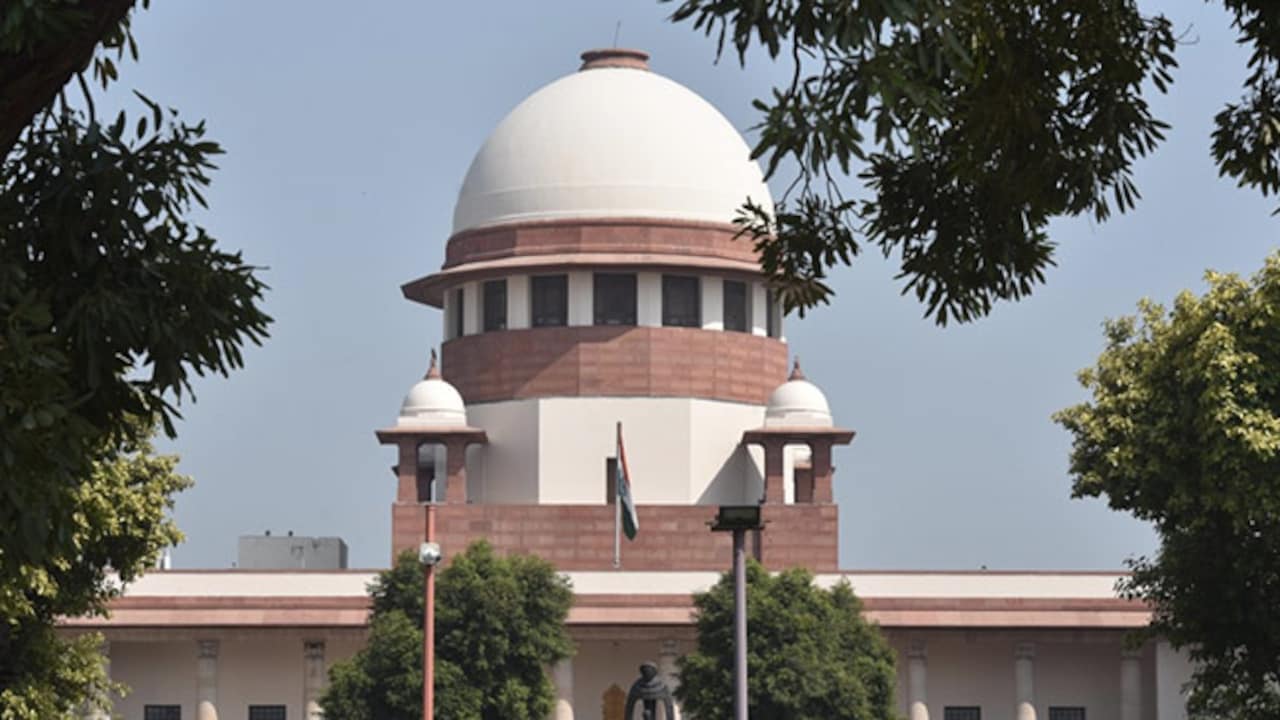
The Centre has raised concerns regarding the sexual harassment of a policewoman during a hearing at the Chief Justice of Pakistan's (CJP) court. This development follows recent allegations from three journalists concerning harassment by police personnel.
Legal Scrutiny and Police Conduct
The recent proceedings at the Chief Justice of Pakistan's (CJP) court have brought a sensitive issue into the public eye: the sexual harassment of a policewoman. This development highlights an escalating tension between the state's legal mechanisms and the conduct of law enforcement officers. By bringing this matter to the forefront during a high-level judicial hearing, the Centre is signaling a shift toward addressing systemic misconduct within security institutions.
Contextualizing the Allegations
The timing of this intervention is particularly significant, occurring shortly after three women journalists reported being subjected to sexual harassment by police personnel. These back-to-back incidents suggest a pattern of behavior that is now being scrutinized at the highest levels of the judiciary. The convergence of these reports indicates that the issue of harassment within the force is no longer being treated as an isolated incident, but rather as a systemic failure requiring urgent judicial oversight.
Broader Implications for Law Enforcement
When allegations of harassment involve law enforcement personnel, the integrity of the entire justice system is called into question. If the individuals tasked with upholding the law are themselves accused of violating the rights of others—including their female colleagues and members of the press—it undermines public trust. The CJP hearing acts as a critical venue for accountability, demanding that the state address the culture of impunity that may exist within police departments.
The Intersection of Press Freedom and Safety
The harassment of journalists by police is a direct threat to the freedom of the press. When reporters, particularly women, feel unsafe in the presence of law enforcement, their ability to conduct investigative journalism or report on sensitive state matters is severely compromised. By linking the incident involving the policewoman to the complaints made by the journalists, the judiciary is acknowledging that harassment is being used as a tool to silence or intimidate those who interact with the state apparatus.
Future Trends and Accountability
Moving forward, this judicial focus likely indicates a trend toward stricter disciplinary protocols for police officers. The intervention by the Centre at the CJP hearing suggests that the government is under pressure to reform internal reporting mechanisms and ensure that harassment complaints are not ignored. If the judiciary continues to prioritize these cases, we may see the implementation of mandatory gender-sensitivity training and more robust internal affairs investigations designed to protect both the public and female personnel within the force.
Conclusion
In summary, the focus on sexual harassment within the police force at the CJP hearing represents a pivotal moment in the discourse on institutional accountability. By linking the specific case of a policewoman to the broader complaints of women journalists, the state is being forced to confront deep-seated issues of misconduct. The resolution of these cases will serve as a bellwether for the future of police reform and the protection of vulnerable individuals interacting with state authority.
Verification Required?