Elon Musk asks why Starlink still lacks India licence, gets a reply from Rahul Gandhi
Source Entity
Latest News: Todays Latest News Headlines from India & World | Hindustan Times | Hindustan Times
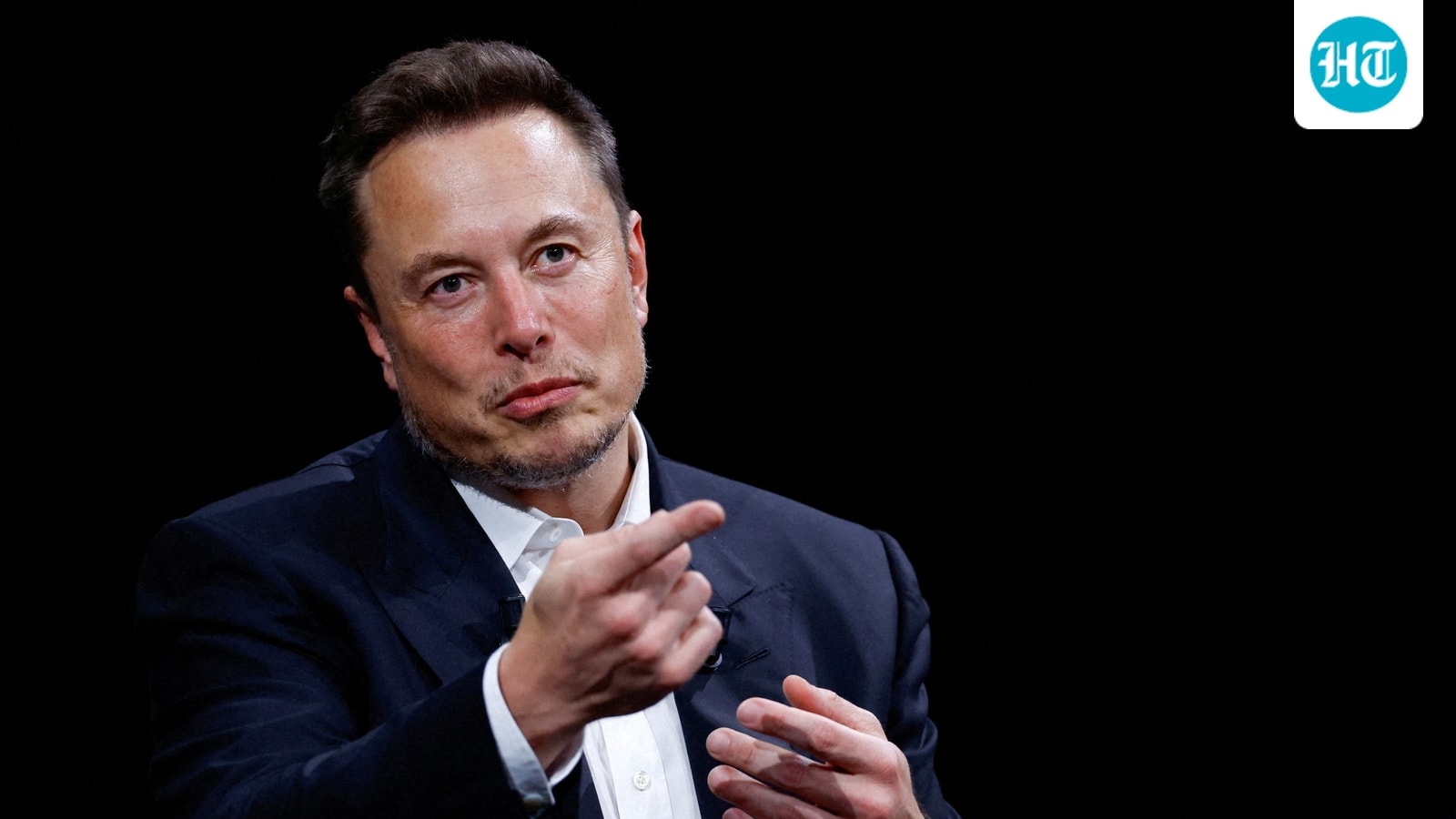
Elon Musk has accused unnamed Indian 'oligarchs' of blocking Starlink's entry into the country to preserve their telecom market dominance. While Starlink claims it is technically ready to launch, it remains stalled pending final regulatory and security approvals.
The Battle for India's Digital Frontier
Elon Musk, the founder of SpaceX and owner of the satellite internet provider Starlink, has publicly accused unnamed "oligarchs" of intentionally obstructing his company's entry into the Indian market. Musk’s strong rhetoric, delivered via his social media platform X, characterizes this delay as a "crime against the people of India," framing the regulatory hurdles as a deliberate attempt by established industry players to maintain a monopolistic chokehold on the nation's digital infrastructure.
The Competitive Landscape
The Indian telecommunications sector is currently defined by a high level of consolidation, with Reliance Jio and Bharti Airtel collectively commanding over 80% of the market share. These entities have invested heavily in terrestrial infrastructure, such as fiber-optic networks and 5G towers, to secure their dominance. Musk’s assertions suggest that the introduction of satellite-based high-speed internet, which bypasses traditional ground-based infrastructure, poses a significant competitive threat to these established telecom giants, potentially disrupting their long-term revenue models.
Technical Readiness vs. Regulatory Hurdles
Despite the friction, Starlink maintains that it is operationally prepared to launch. The company has publicly confirmed the establishment of 20 gateway sites and the implementation of India-specific security controls, which are designed to address local government concerns regarding data sovereignty and national security. Starlink representatives at the India Mobile Congress (IMC) reiterated that the service is ready to go as soon as the company receives the necessary green light from Indian authorities.
The Regulatory Bottleneck
While Starlink claims readiness, the path to commercial rollout is governed by complex bureaucratic procedures. The company currently holds a license to offer satellite internet, but it lacks the critical final security clearances and the specific spectrum band allocations required to begin operations. In India, the allocation of satellite spectrum—whether through auction or administrative assignment—has been a subject of intense debate, as it directly impacts the competitive dynamics between legacy telecom operators and new-age satellite service providers.
Broader Implications for Digital Inclusion
The core of Musk's argument rests on the potential for Starlink to bridge the digital divide in India’s rural and remote regions. Many villages currently lack reliable broadband connectivity, and satellite technology is uniquely positioned to reach these underserved areas. If successful, Starlink could fundamentally alter the landscape of internet access in India, potentially forcing a shift in pricing and service delivery models among existing providers who have historically prioritized urban and semi-urban markets.
Future Outlook and Strategic Tensions
The standoff highlights a broader global trend where satellite internet providers are increasingly clashing with national telecom incumbents. As India moves toward a more digitized economy, the government faces the delicate task of balancing the need for technological innovation and increased connectivity with the interests of domestic industry leaders. Whether Starlink’s public pressure campaign will accelerate its regulatory approval or further alienate key stakeholders remains to be seen, but the outcome will likely set a significant precedent for the future of satellite communications in the region.
Multiple Citing Sources
Verification Required?