US said 'big no' to Chinese EVs, UK welcomed them, now faces 'Made in Europe' fears
Source Entity
TOI TECH DESK
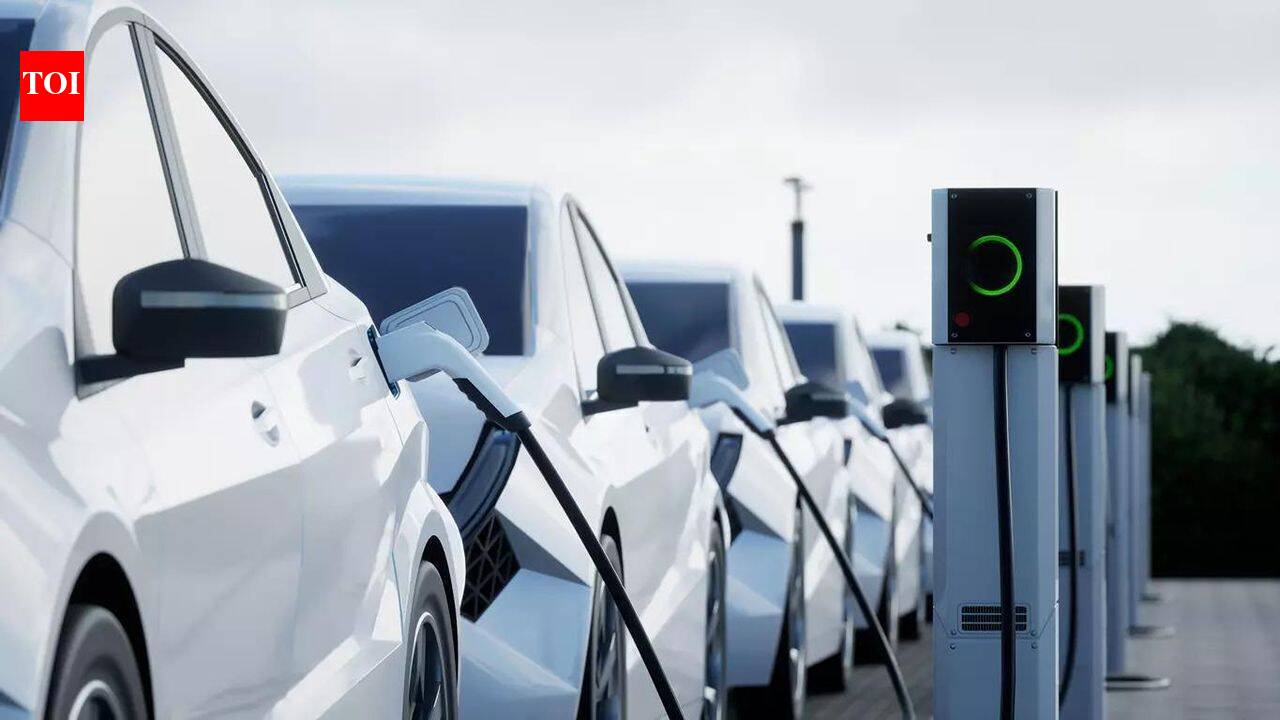
The UK is facing a strategic dilemma regarding Chinese electric vehicle imports as it balances market growth with protectionist pressures. While Chinese automakers gain significant ground, policymakers are weighing potential tariffs to align with EU standards and safeguard domestic industry.
The Strategic Dilemma of Chinese EVs in the UK
The United Kingdom currently finds itself at a critical juncture regarding its automotive policy, specifically concerning the rapid influx of Chinese electric vehicles (EVs). While the United States has adopted a firm stance of rejecting Chinese EV market dominance through restrictive measures, the UK has historically maintained a more welcoming environment. This divergence has led to a noticeable expansion of Chinese carmakers within the British market, creating both economic opportunities for consumers and significant challenges for local industrial stability.
The Pressure to Align with EU Policy
As the European Union moves toward implementing protective tariffs against Chinese-made EVs, the UK faces mounting pressure to harmonize its approach. The narrative of "Made in Europe" is increasingly becoming a benchmark for regional trade protectionism, forcing British officials to reconsider their own regulatory framework. The government has signaled that it is closely engaging with industry leaders to ensure that any future policy reflects the UK’s national interests, though this is complicated by the need to maintain competitive market dynamics.
Economic Implications and Market Dynamics
Chinese carmakers have successfully leveraged cost advantages, rapid product cadence, and sophisticated supply chains to capture a growing share of the British market. This penetration has raised "serious concern" among domestic stakeholders regarding the long-term viability of local automotive manufacturing. While officials are actively reviewing the impact of these imports, there is an acknowledgment that simple tariff solutions may be insufficient. Analysts suggest that focusing solely on Chinese-built battery EVs ignores the broader expansion of hybrid models and vehicles manufactured outside of China, which continue to enjoy competitive advantages.
The Geopolitical Trade Conflict
This situation is underscored by a broader geopolitical friction. Beijing has expressed firm opposition to any discriminatory practices or tariff hikes, framing such measures as restrictive and harmful to global trade. The UK is now caught in the middle of this international dispute, balancing its desire to lower consumer costs and meet green energy targets with the necessity of protecting its own domestic industrial base from potential displacement.
Future Outlook and Policy Trends
Looking ahead, the UK’s path remains uncertain. Policymakers have indicated that they will continue to monitor global developments and respond accordingly. Any move to impose tariffs would represent a significant shift from the current open-market stance. As the industry evolves, the UK must decide whether to prioritize the immediate benefit of affordable technology or the long-term goal of fostering a resilient, domestic automotive sector capable of competing on a global stage.