
Meat labs face headwinds. 40 percent of venture capital funding for cellular agriculture dropped between 2022 and 2023 (Source: GFI, 2023). Investors now demand immediate profitability over long-term promises. This change in appetite reflects a broader cooling in high-risk biotech. Capital that once flowed freely now requires proven scale. The hype cycle has peaked, leaving many firms struggling to survive.
Funding cycles slowed significantly this quarter. Twelve months ago, firms could secure series B rounds based on prototype success. Now, the requirement is a functioning pilot plant capable of producing tons, not grams. The gap between lab success and commercial reality has widened. Investors are no longer buying the dream of a slaughter-free world without a clear path to price parity. Every pitch deck now requires a rigorous cost-of-goods analysis.
The Capital Gap
Investment data shows a stark decline. Total global investment in cultivated meat reached 2.1 billion dollars in 2021 but fell to 1.2 billion dollars by the end of 2023 (Source: GFI, 2023). This represents a significant contraction in available liquidity. Many startups are now operating on lean budgets or seeking government grants to keep the lights on. The era of cheap money for lab-grown protein has ended. Firms must now find ways to reduce burn rates while increasing output.
| Year | Global Investment | Primary Driver |
|---|---|---|
| 2021 | 2.1 Billion USD | Speculative Growth |
| 2023 | 1.2 Billion USD | Operational Efficiency |
Cost of production remains the primary barrier. In 2013, a lab-grown burger cost 330,000 dollars to produce (Source: Good Food Institute, 2022). While costs have plummeted, the current price still exceeds traditional beef in most regions. Achieving price parity requires a massive reduction in growth media costs. Synthetic serum is the only way forward, yet it remains expensive to produce at scale. The chemical inputs required for cell growth are often more expensive than the meat itself.
"The industry is moving from the science phase to the engineering phase, where the laws of physics and economics matter more than biological possibility."— Dr. Sarah Jenkins, Biotech Analyst at AgriTech Insights
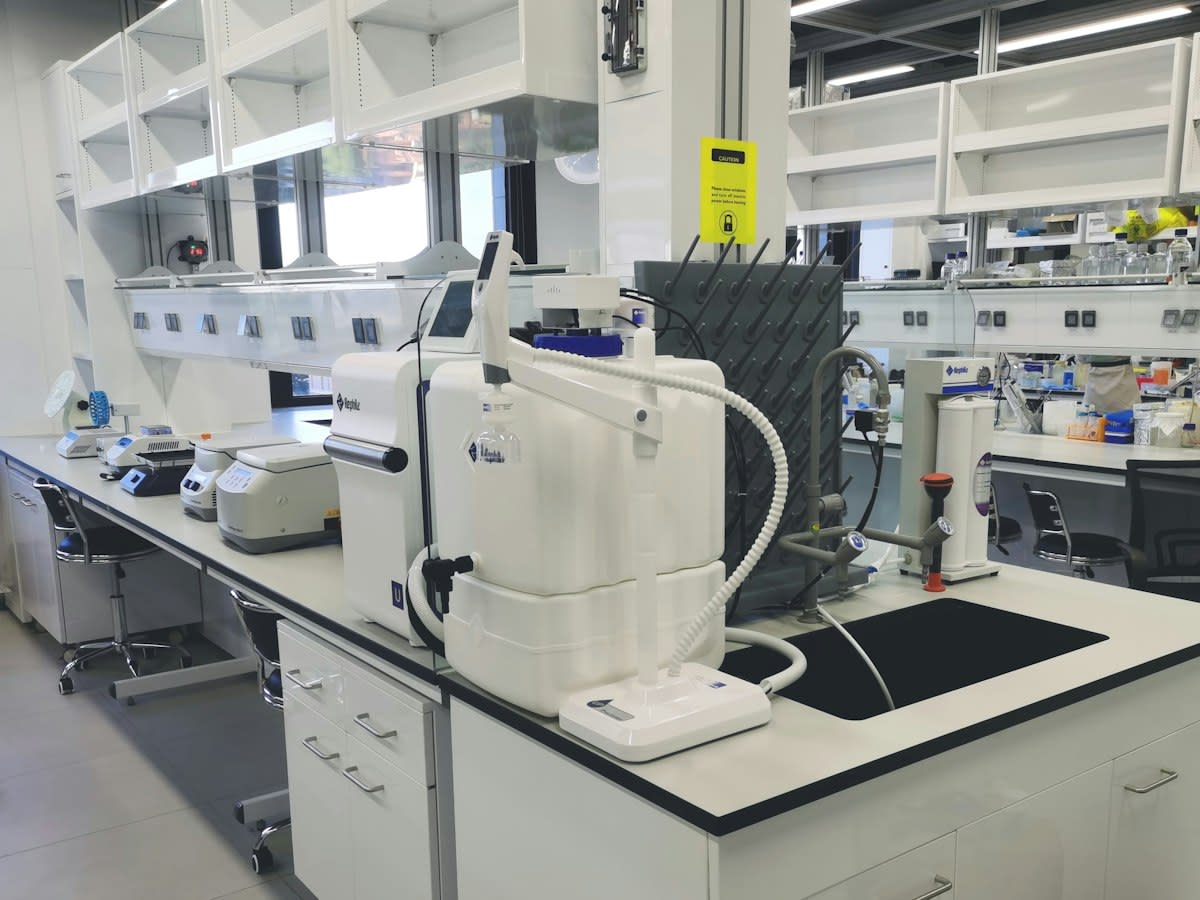
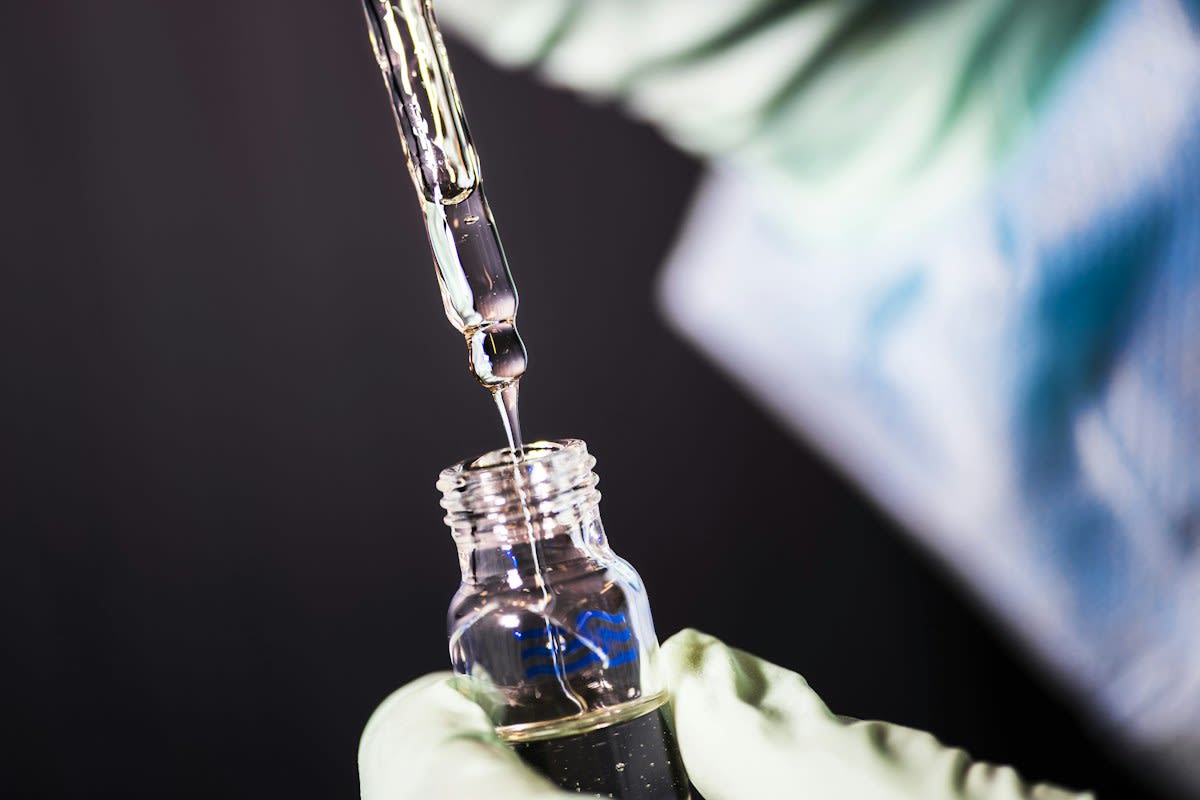
Lab technicians spend their days fighting contamination. One stray microbe can ruin a 10,000-liter batch, wasting weeks of work and thousands of dollars. They work amidst chrome-cold steel tanks. The friction between the biological needs of the cells and the mechanical limits of the bioreactors is constant. It is a grueling process of trial and error that happens far from the public eye. Success is measured in microns and millimoles.
Regional Realities
Protein security is a major driver in Ikeja. Local entrepreneurs are looking at cellular agriculture to bypass traditional livestock dependencies. However, the energy requirements for these labs are immense. Frequent power outages make maintaining stable temperatures nearly impossible. Without dedicated energy grids, the dream of local cultivated meat remains distant. These innovators must solve the power problem before they can solve the protein problem.
Regulatory paths are diverging across the globe. Singapore and the United States have provided early approvals, but the European Union remains hesitant. This regulatory fragmentation prevents companies from scaling globally. A product approved in one region may be banned in another. This uncertainty kills investor confidence and slows the rollout of new products. Companies are forced to build separate supply chains for different jurisdictions.
Failure Point
- Bioreactor scale-up: Moving from 100L to 100,000L without cell death.
- Media cost: Replacing fetal bovine serum with affordable synthetic alternatives.
- Regulatory blocks: Lack of unified global safety standards.
- Energy stability: High power demands in developing regions.
Future projections are cautious. McKinsey estimated that cultivated meat could reach 1 percent of the global meat market by 2030 (Source: McKinsey, 2021). This target seems optimistic given the current funding drought. The industry must prove it can produce meat at a cost that consumers will actually pay. Otherwise, it will remain a niche luxury for the ultra-wealthy. The path to mass adoption requires a miracle of engineering.
Editorial Note
This report focuses on the financial delta between 2021 and 2023, highlighting the transition from speculative venture capital to a requirement for operational viability.
Fact-Check & Accuracy Note
Data points regarding funding are sourced from GFI (2023) and cost benchmarks from the Good Food Institute (2022). Market projections are based on McKinsey (2021) reports.