Don’t break ties with parents: Madhya Pradesh High Court advice to woman
Source Entity
Ashish Shaji
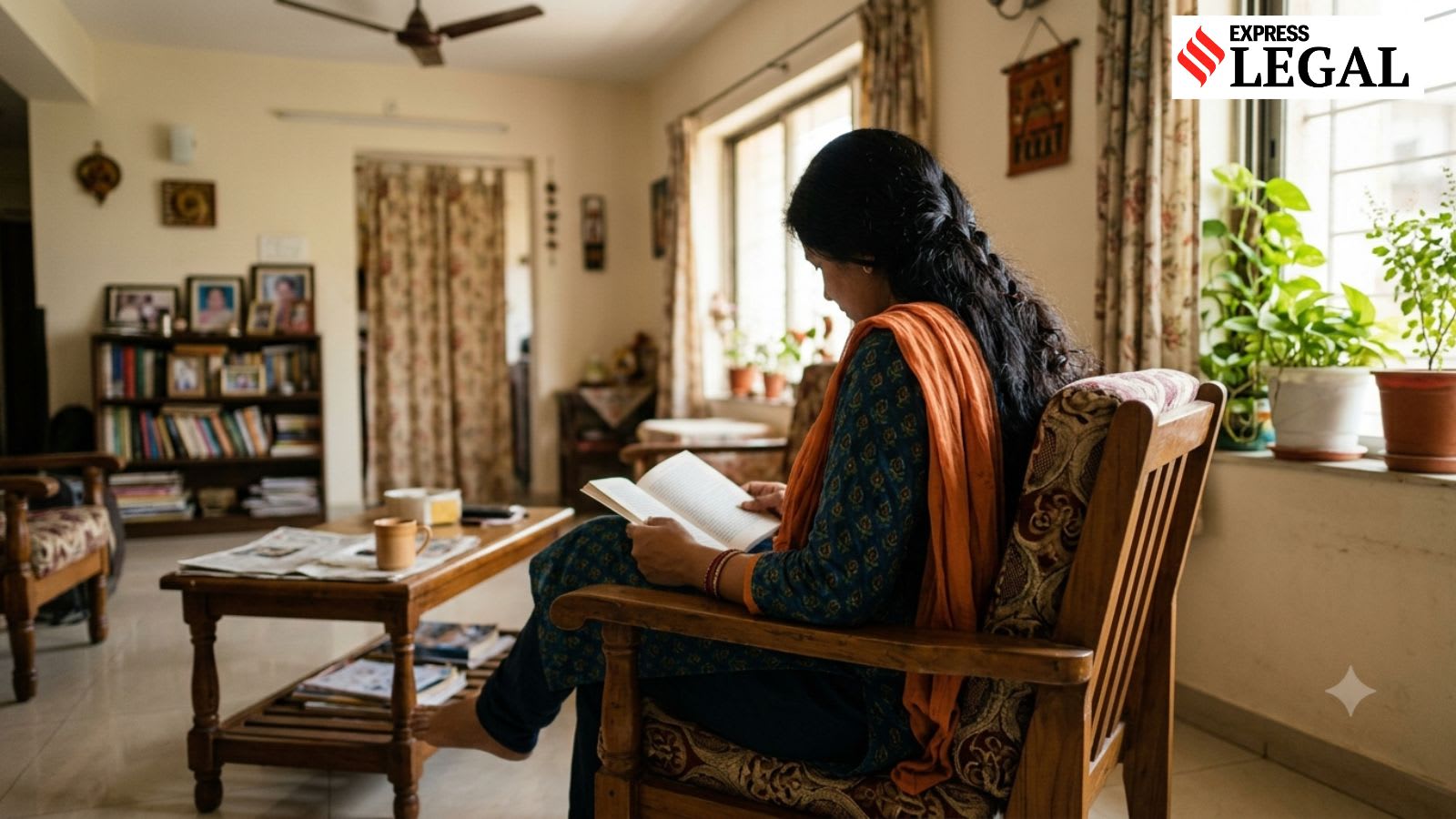
The Madras High Court prioritized a woman's convenience in a divorce transfer case, while the Madhya Pradesh High Court advised a woman to maintain familial ties while asserting her autonomy. Both rulings highlight the judiciary's nuanced approach to personal liberty and logistical challenges in family matters.
Judicial Discretion in Matrimonial and Personal Liberty Cases
Recent rulings from the Madras High Court and the Madhya Pradesh High Court underscore the evolving role of the Indian judiciary in balancing procedural law with the practical realities of individuals. These cases highlight how courts are increasingly considering the socioeconomic burdens faced by women, particularly when navigating legal disputes or asserting their right to personal autonomy.
Prioritizing Convenience in Matrimonial Disputes
The Madras High Court’s decision to transfer a divorce case from Thuraiyur to Tambaram serves as a significant precedent for accessibility in family law. Justice N Mala, presiding over the case, explicitly noted that in matrimonial disputes, the wife’s convenience takes precedence. This is a vital recognition of the logistical barriers—such as childcare for a three-year-old and full-time employment—that often impede a woman's ability to participate effectively in legal proceedings when cases are filed in distant jurisdictions.
The Intersection of Law and Livelihood
For many women, the legal system can be an exclusionary space if procedural requirements ignore domestic realities. By moving the case to Tambaram, the court acknowledged that the burden of a 300 km commute would have effectively disenfranchised the petitioner. This ruling aligns with broader judicial trends in India that seek to mitigate the "litigation fatigue" that often results in women being unable to adequately defend their interests in divorce petitions.
Personal Autonomy vs. Familial Ties
In a separate but conceptually linked matter, the Madhya Pradesh High Court addressed the autonomy of a woman who had moved to Mumbai for employment. While the bench, consisting of Justices G S Ahluwalia and Anuradha Shukla, upheld the woman's right to live according to her own wishes and dismissed a petition concerning her alleged confinement, they also offered a cautionary advisory regarding family relationships. This highlights a delicate judicial balancing act: affirming the legal right to independence while encouraging the preservation of the social fabric of the family unit.
Societal Implications and Judicial Trends
These cases reflect a judiciary that is increasingly engaged with the lived experiences of citizens. Whether it is facilitating legal access through venue transfers or navigating the emotional complexities of parental relationships, courts are moving beyond strict legalistic interpretations. By acknowledging that a woman’s professional and maternal responsibilities are legitimate factors in procedural fairness, the courts are fostering a more equitable legal environment.
Conclusion
The judiciary's intervention in these matters demonstrates a commitment to both procedural justice and human-centric outcomes. As India continues to urbanize and labor mobility increases, the courts will likely face more instances where the intersection of personal freedom, family obligations, and legal procedure requires careful, empathetic adjudication. These rulings serve as a testament to the fact that the law is not merely a set of rigid rules but a tool for addressing the daily challenges of the populace.