Stranded heart patient, husband forced to book another flight: Airline to pay Rs 7.7 lakh
Source Entity
Jagriti Rai
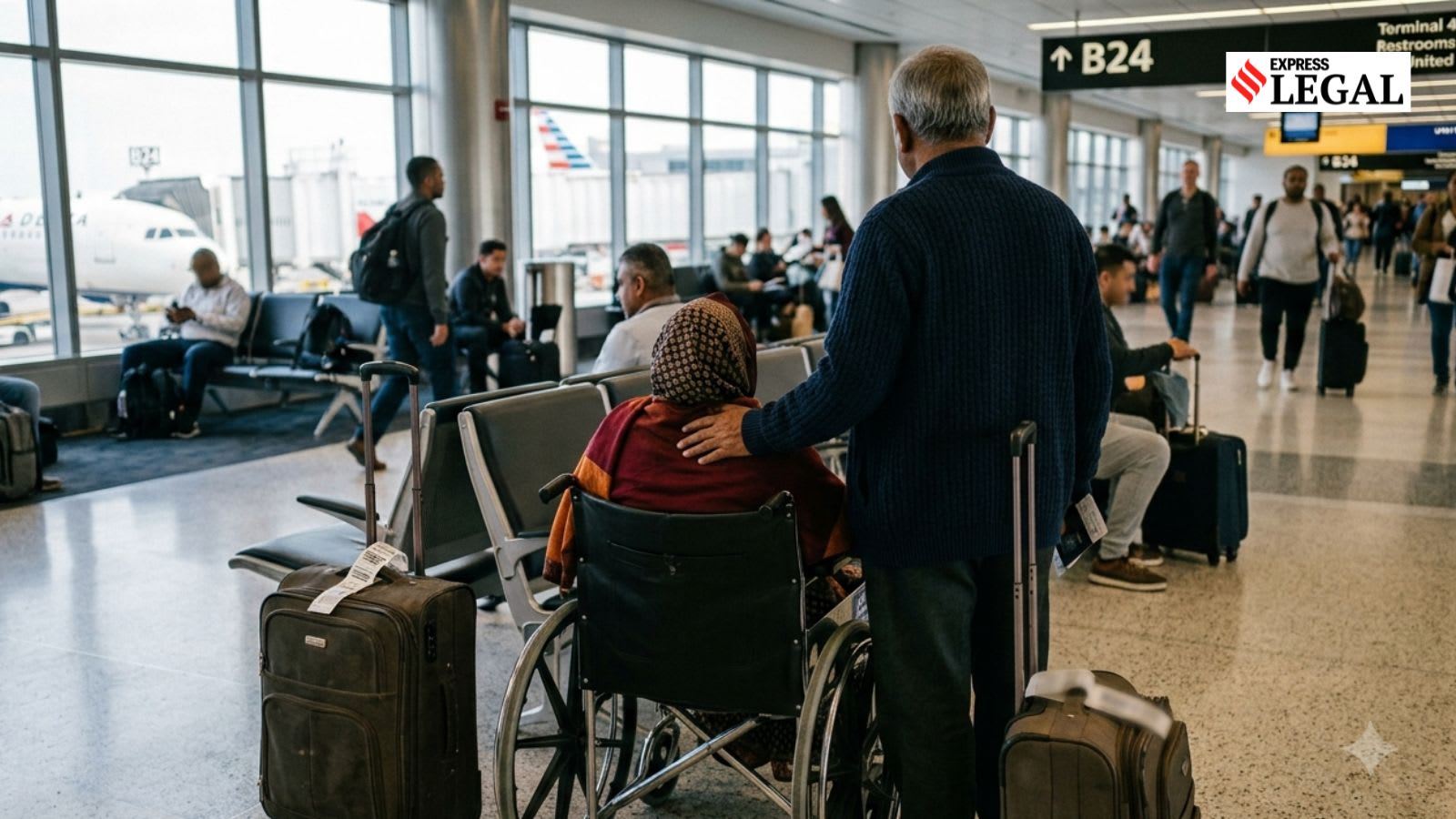
Consumer commissions in Amritsar and Chandigarh have ruled against international airlines for failing to provide adequate service to passengers. The airlines must pay significant compensation for medical negligence and flight cancellations causing consumer distress.
Consumer Justice: Holding Airlines Accountable for Negligence
Recent rulings by consumer commissions in Amritsar and Chandigarh have shed light on the growing trend of passengers seeking legal recourse against international air carriers for service failures. In two distinct cases, judicial bodies have underscored the necessity for airlines to maintain a high standard of care, particularly when dealing with vulnerable passengers or unannounced flight disruptions. These verdicts serve as a stern reminder that the aviation industry is bound by strict consumer protection laws that prioritize passenger welfare over operational convenience.
The Case of Medical Negligence and Duty of Care
In the Amritsar case, an elderly couple traveling from the US to India faced an harrowing ordeal when the wife, suffering from Acute Decompensated Heart Failure (CAD), was left without the necessary support. The consumer commission held that the airline failed to provide the required oxygen and timely assistance, forcing the couple to book alternative travel arrangements. By awarding Rs 7.69 lakh in compensation, the commission established that a 'reasonable degree of diligence' is not optional but a mandatory requirement for airlines, especially when passengers disclose critical medical conditions.
Flight Cancellations and Unfair Trade Practices
Simultaneously, the Chandigarh state consumer commission addressed a case involving Air India and Thakural Travels, where a passenger was left stranded due to an unnotified flight cancellation. The ruling highlighted the systemic issues regarding communication and accountability. By ordering a full refund of Rs 1,08,997, along with additional compensation for mental agony and litigation costs, the commission penalized the entities for 'deficiency in service' and 'unfair trade practices,' reinforcing the right of travelers to receive timely notifications and support.
Implications for the Aviation Industry
These legal outcomes signal a shifting landscape in consumer rights within India. As air travel becomes more accessible, the volume of grievances related to service quality, cancellations, and medical support is rising. These judgments act as a deterrent, compelling airlines to improve their ground-handling protocols and communication systems. The judiciary is clearly signaling that the 'customer is king' principle is legally enforceable, and airlines can no longer hide behind complex fine print to avoid liability.
Trends in Consumer Protection
Looking forward, we can expect a surge in such litigation as awareness of consumer rights grows. The integration of digital tracking and better communication tools will likely become a benchmark for regulatory compliance. Airlines that fail to invest in robust customer support infrastructure risk not only financial penalties but significant reputational damage. The proactive stance of consumer commissions suggests that the burden of proof is increasingly shifting toward service providers to demonstrate that they have taken every possible step to assist their passengers in times of crisis.
Conclusion
Ultimately, these rulings represent a victory for the average traveler. By ensuring that compensation covers both actual financial loss and the intangible toll of mental harassment, the commissions are setting a precedent that places human dignity and safety at the center of the travel experience. Airlines must recalibrate their operations to ensure that negligence is replaced with empathy and efficiency, or continue to face the scrutiny of the law.