Notice, reply & Masjid demolition in 3-4 days: High Court seeks Kutch Collector’s response
Source Entity
Aditi Raja
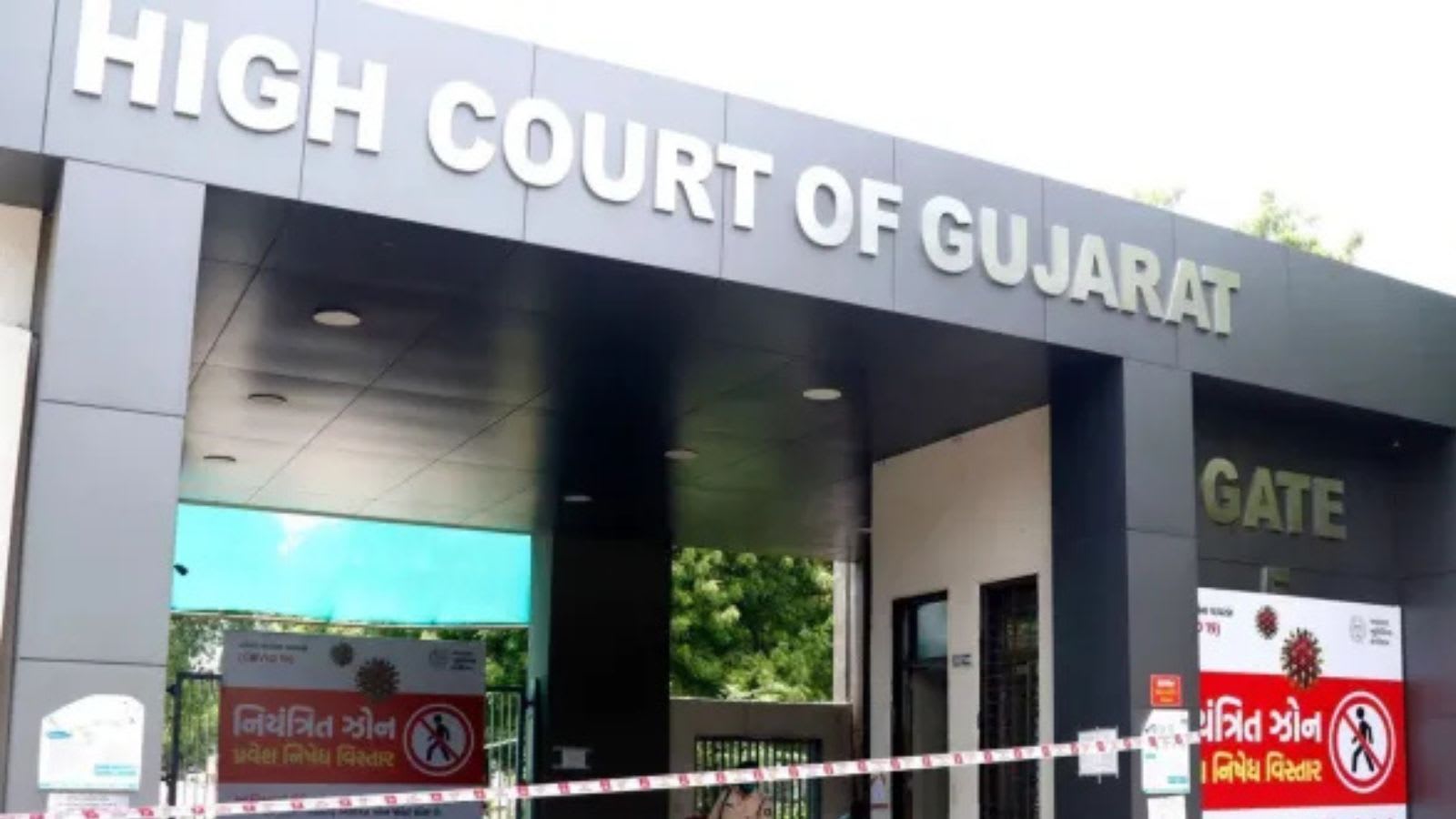
The Gujarat High Court has requested a response from the Kutch District Collector regarding the rapid demolition of the Mohamadi Masjid. The court is investigating claims that the demolition occurred before the mosque authorities could legally challenge the encroachment order.
Legal Scrutiny Over the Demolition of Mohamadi Masjid
The Gujarat High Court has officially intervened in the ongoing controversy surrounding the demolition of the Mohamadi Masjid in the Kutch district. This judicial action comes in response to a petition filed by the Mohamadi Masjid Jamat, represented by trustee and mutawalli Sidhik Te, which challenges the procedural speed at which the local administration acted. The court, presided over by Justice Niral R. Mehta, has specifically requested a detailed affidavit from the Kutch District Collector, with a deadline set for October 19.
The Sequence of Procedural Events
At the heart of the legal dispute is the timeline of events preceding the June 21 demolition. Reports indicate that a show-cause notice, a formal reply, and an encroachment order were issued in extremely rapid succession. This compressed timeline serves as the foundation for the petitioner's argument that the mosque's managing body was deprived of a fair and reasonable opportunity to contest the administrative proceedings before the structure was razed.
Judicial Stance and Pending Observations
It is important to note that the Gujarat High Court has, at this stage, refrained from making any definitive observations regarding the legality of the demolition itself. By requesting an affidavit from the District Collector, the court is prioritizing the collection of official administrative records to determine whether due process was followed. The case is currently listed for further consideration on October 22, which will likely be a pivotal moment in determining the next steps of the litigation.
Implications of Administrative Due Process
This case highlights the critical importance of procedural fairness in administrative actions involving religious sites and land encroachment. When authorities move with extreme speed, it raises significant questions regarding the balance between urban development, land management, and the rights of communities to seek legal recourse. The outcome of this case may set a precedent for how similar encroachment disputes are handled in the region, particularly regarding the notice periods required for religious institutions.
Broader Context of Land Disputes in Kutch
Kutch, being a geographically expansive and strategically sensitive district, often sees complex land usage issues. Disputes involving religious structures frequently intersect with broader administrative policies concerning encroachment. The involvement of the High Court signals a shift toward heightened oversight in cases where administrative speed might infringe upon constitutional rights to property and religious assembly.
Looking Ahead: The October 22 Hearing
The upcoming hearing on October 22 will be instrumental in clarifying whether the Kutch administration adhered to the principles of natural justice. If the court finds that the mosque authorities were denied a fair chance to appeal the encroachment order, it could lead to significant legal repercussions for the local authorities involved. This case serves as a reminder of the judiciary's role in ensuring that executive actions remain within the boundaries of established legal frameworks.