Relief for Gurugram’s licensed plotted colonies, Supreme Court halts sealing drive for 2 weeks
Source Entity
Abhimanyu Hazarika
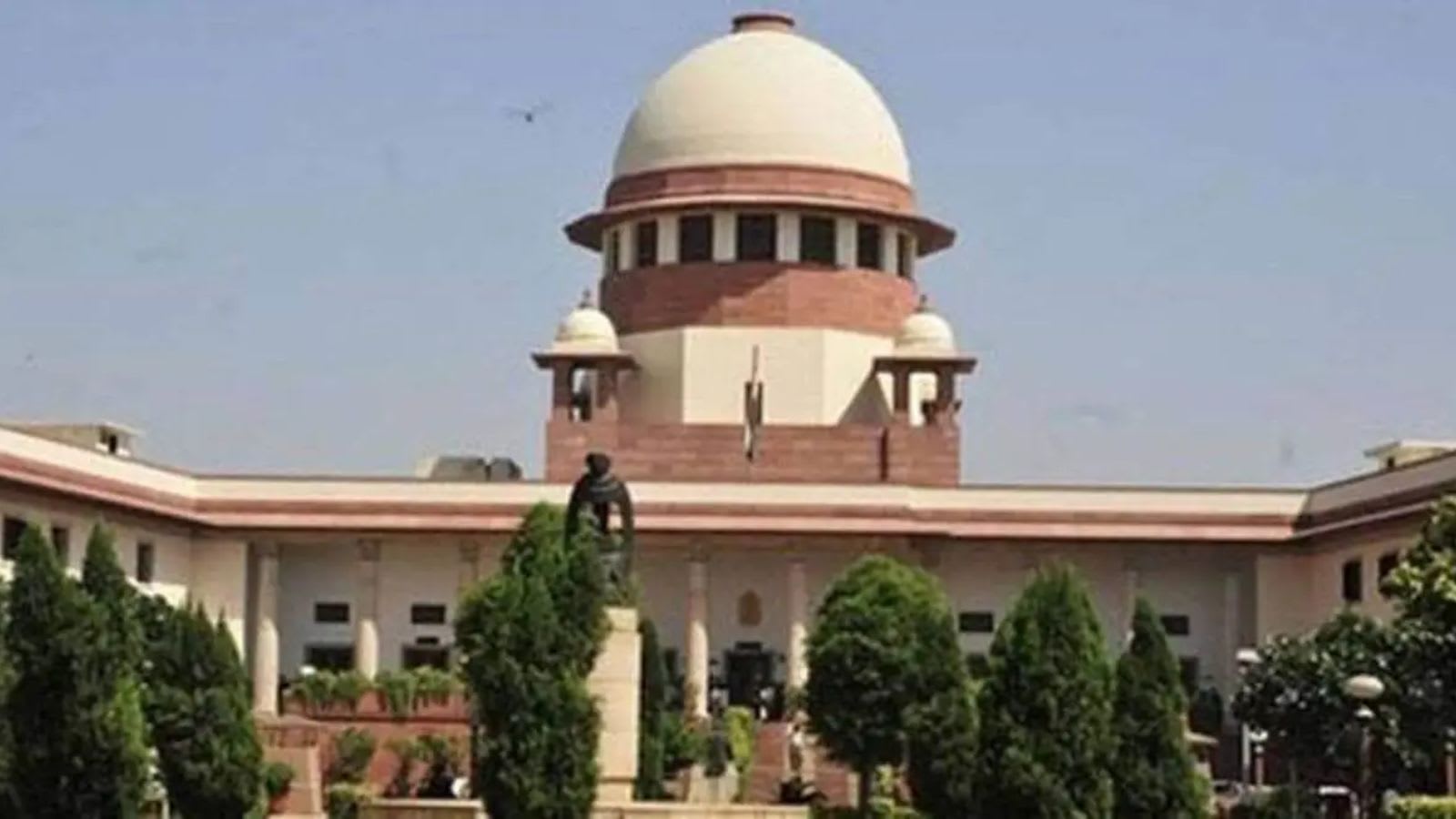
The Supreme Court has granted a two-week stay on property sealing drives in Gurugram's licensed plotted colonies. The court will examine the jurisdictional conflict between the DTCP and the Municipal Corporation of Gurugram regarding regulatory authority.
Supreme Court Intervenes in Gurugram Property Sealing Dispute
In a significant legal development for property owners in Gurugram, the Supreme Court has issued a two-week stay on sealing drives targeting licensed plotted colonies. This judicial intervention provides immediate relief to at least 29 property owners who challenged the enforcement actions taken by the Directorate of Town and Country Planning (DTCP). The core of the legal challenge rests on the transition of these areas into the jurisdiction of the Municipal Corporation Gurugram (MCG), creating a complex regulatory vacuum.
The Jurisdictional Conflict
The dispute centers on the interpretation of administrative authority following the expansion of municipal limits. Residents of prominent areas, including DLF Phases I, II, and III, as well as Sushant Lok I, contend that the DTCP no longer holds the mandate to seal properties once a colony is integrated into the municipal corporation’s jurisdiction. The petitioners have specifically cited Section 3(4) of the relevant Act, which stipulates that municipal rules and by-laws apply to these areas unless they have been specifically excluded by statute.
Legal Arguments and Statutory Interpretation
The bench, led by Justice P.S. Narasimha and Justice Alok Aradhe, has signaled an intent to delve into the legislative intent behind the Act. By invoking Section 3(4), the residents are essentially arguing that the overlapping authority of the DTCP and the MCG constitutes an overreach. The court’s decision to pause the sealing drive is a tactical measure to prevent irreparable harm to property owners while the bench evaluates the specific boundaries of departmental jurisdiction.
Broader Implications for Urban Planning
This case highlights the growing pains of rapid urbanization in National Capital Region (NCR) hubs like Gurugram. As municipal boundaries expand to include previously private or state-licensed colonies, the transition of regulatory oversight often leads to friction between legacy planning bodies like the DTCP and urban local bodies like the MCG. The Supreme Court's upcoming hearing on November 3 will likely set a precedent for how such administrative transitions are managed, potentially impacting hundreds of similar residential developments.
Future Trends and Judicial Oversight
As the court prepares to examine the jurisdictional dispute, the ruling will likely clarify the hierarchy of building by-laws in transitioning zones. If the court upholds the primacy of municipal rules in these newly incorporated areas, it could effectively strip the DTCP of its enforcement powers in these localities. Conversely, a ruling in favor of the DTCP would necessitate a clearer framework for inter-departmental cooperation to avoid the chaotic enforcement scenarios currently faced by residents.
Conclusion
The two-week stay serves as a critical cooling-off period for both the residents and the administrative authorities. By stepping in, the Supreme Court has underscored the importance of legal clarity in urban governance. The November 3 hearing will be a pivotal moment, as it will determine whether current municipal expansion policies provide adequate legal protections for property owners or if further legislative reform is required to harmonize urban planning regulations.