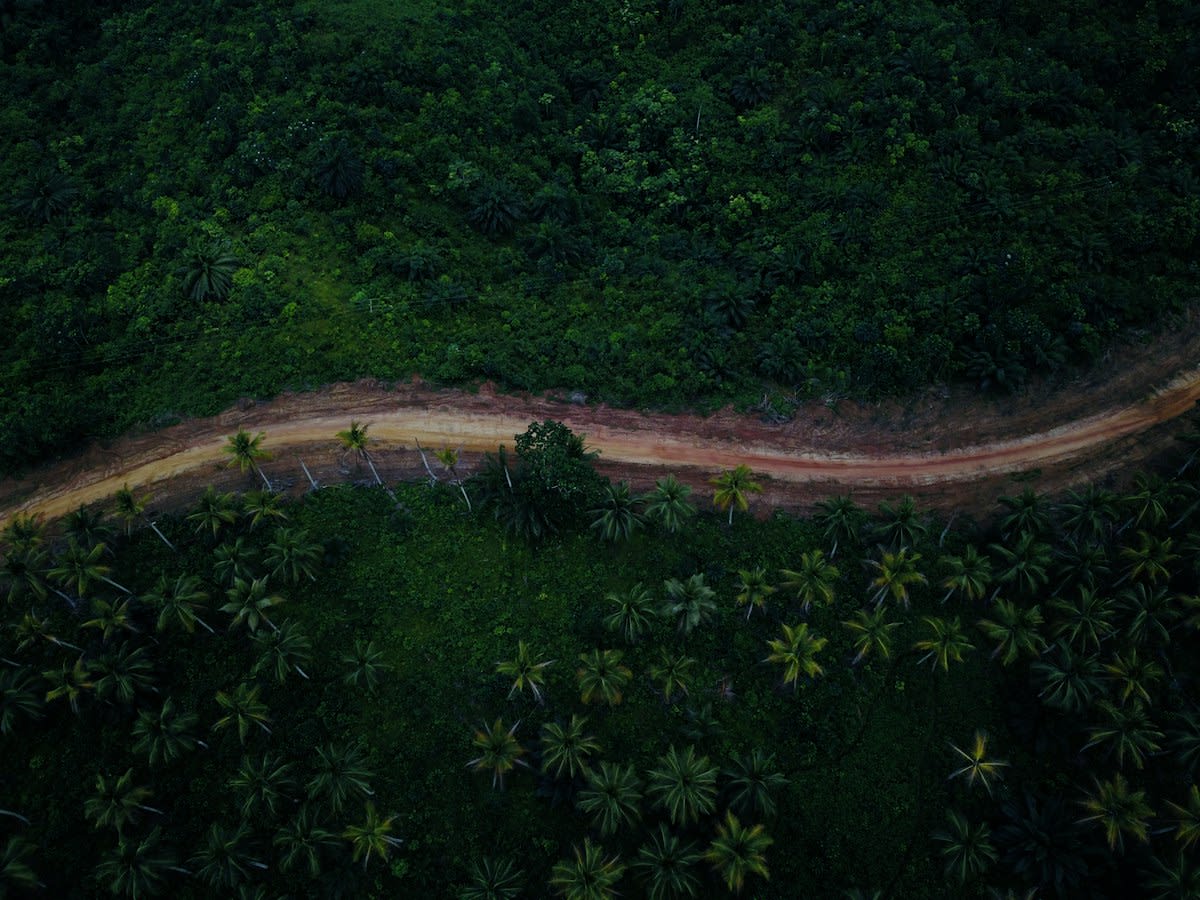
Carbon credits fail farmers. While global brands claim neutrality by funding shade-grown cocoa in Ghana, the financial weight of these credits rarely settles in the pockets of the actual planters (Source: ICCO, 2023). It is a broken promise. The gap between the corporate board room in Zurich and the muddy soil of the Ashanti region is too wide for current payment models to bridge. The money vanishes. This is the reality.
What You Need Before Starting
Land titles matter. Without a legally recognized deed, the verification bodies will reject your claim because they cannot prove who owns the carbon sequestered in the soil (Source: World Cocoa Foundation, 2022). Paperwork is everything. Deeds are rare. In many West African regions, customary land law conflicts with the rigid requirements of international carbon registries, leaving farmers unable to monetize their trees. The law fails them.
- Verified land tenure documentation or legal lease agreements
- Precise GPS polygon coordinates for all participating plots
- Baseline biomass data from a certified forestry expert
- Formal cooperative bylaws ensuring equitable profit distribution
The Execution Process
- Establish a carbon baseline by measuring existing biomass and soil organic carbon levels.
- Design a project document that proves additionality, showing that the trees would not exist without credit funding.
- Undergo a third-party audit by a recognized body such as Verra or Gold Standard.
- Issue credits into a registry after the audit confirms the sequestration volume.
- Sell the credits on the voluntary carbon market to corporate buyers.
Measure the trees. Use LiDAR or manual plot sampling to determine exactly how many tonnes of CO2 are trapped in the canopy across the hectares (Source: Rainforest Alliance, 2021). Accuracy prevents failure. Data is king. If your biomass estimates are off by even ten percent, the auditing firm will slash your credit issuance and leave you with a deficit. Trust the numbers.
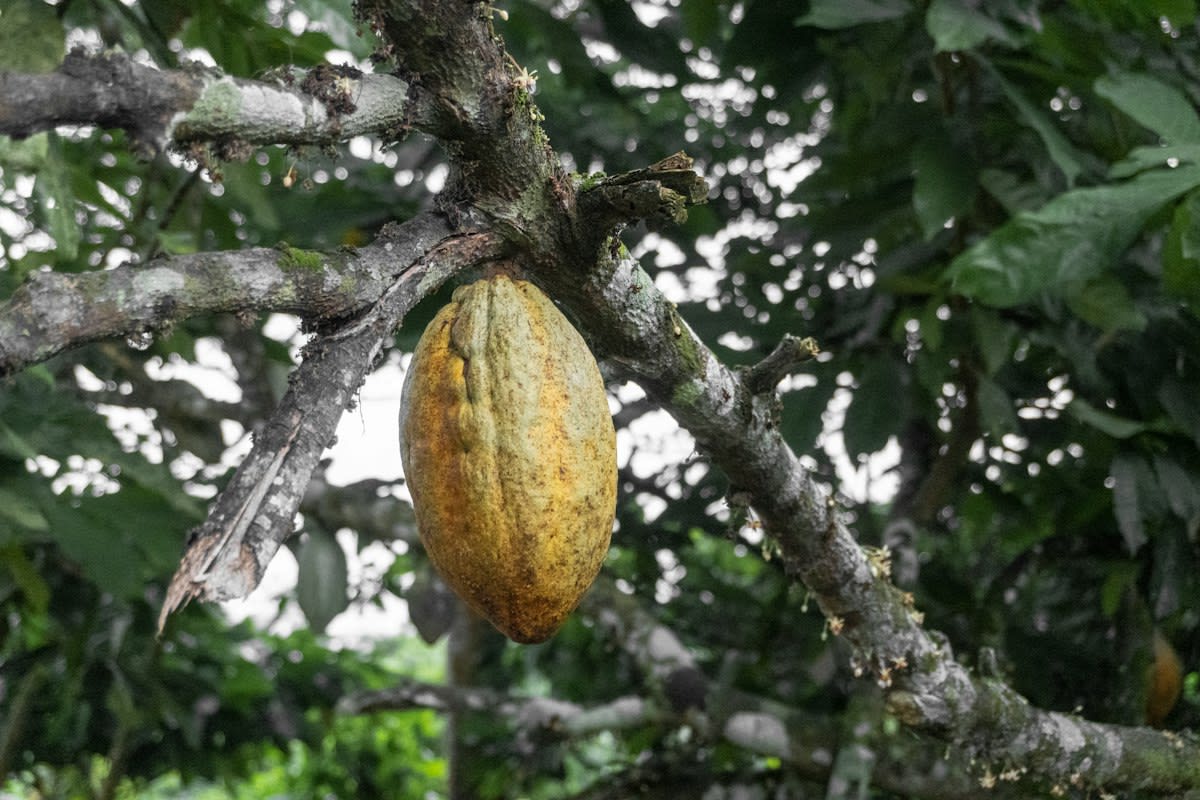
Fight the auditors. I once spent six months arguing with a European auditor who insisted that traditional shade trees in Ecuador didn't count as additional carbon because the farmers had always planted them (Source: Industry Field Report, 2020). The weight is real. Rules are rigid. These auditors often ignore the ecological value of heritage groves in favor of strict additionality rules that favor new, risky plantations. It is a battle.
"The gap between a carbon credit on a spreadsheet and a tree in the ground is where most projects die."— Marcus Thorne, Sustainability Lead at CocoaGlobal
The Market Fray
Prices fluctuate wildly. When the voluntary carbon market dips, the income for a cooperative in Côte d'Ivoire can drop by 40% in a single quarter (Source: Ecosystem Markets Group, 2023). Diversification is mandatory. Markets are cruel. Relying on a single buyer for your carbon offsets is a gamble that usually ends with the producer holding worthless certificates. Hedge your bets.
| Metric | Traditional Cocoa | Carbon-Linked Cocoa |
|---|---|---|
| Primary Income | Bean Sales | Bean Sales + Credit Payouts |
| Tree Density | Low/Medium | High (Agroforestry) |
| Verification Cost | Low | High (Audits required) |
| Price Stability | Moderate | Low (Market Volatility) |
Fact-Check & Accuracy Note
Verification standards are currently in a state of flux. While Verra remains the dominant registry, newer standards are attempting to integrate biodiversity credits alongside carbon. This creates a period of uncertainty regarding which credits will hold long-term value in the global market.
Common Pitfalls
Avoid double counting. If a farmer sells a sustainability credit to a chocolate brand and a carbon credit to an airline for the same tree, the project will be blacklisted (Source: Verra, 2022). Honesty saves projects. Greed kills. The temptation to stack credits is high in low-income regions where every dollar counts toward the survival of the family farm. Keep it clean.
Watch for spillover. Planting trees on one plot often pushes deforestation to the neighboring plot where the farmer still needs to expand his cocoa yield (Source: Global Forest Watch, 2023). Nature does not negotiate. Maps do not lie. Satellite monitoring can detect these shifts in real-time, leading to the immediate revocation of credits and heavy financial penalties for the cooperative. Guard the border.

Editorial Note
This guide reflects field experience from projects in the Cocoa Belt. Please note that regional laws regarding carbon rights vary significantly between Ghana, Côte d'Ivoire, and Indonesia.
Focus on the ground. The most successful projects ignore the hype and focus on the mechanical failure of payment systems in rural areas (Source: World Bank, 2021). Cash is king. Systems break. When the digital wallet fails in a remote village, the farmer loses faith in the carbon economy and returns to slash-and-burn methods. Fix the pipes.