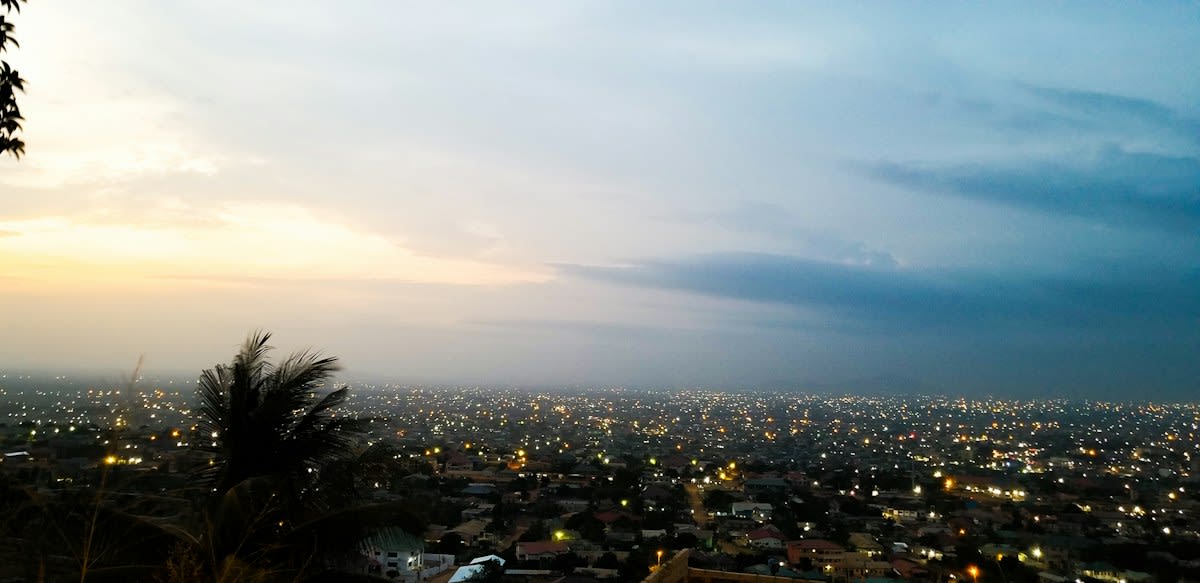
The farm is a bank. For the nouveau riche of the Ashanti and Western regions, the cocoa grove serves as a primary capital engine that fuels the rapid acquisition of prime residential land in East Legon and Cantonments. This capital flight reshapes the city. Why do these farmers trust concrete more than soil? They recognize that while global bean prices fluctuate, the demand for Accra's gated communities only climbs (Source: Ghana Statistical Service, 2023). The money finds a home.
The Rural-Urban Capital Pipeline
Cash flows fast. While the official price per bag fluctuates according to the London and New York markets, the rural elite ignore these dips by diversifying into Accra's burgeoning luxury rental market. The city absorbs the wealth. This movement has accelerated in the last twelve months, shifting from simple land banking to the construction of high-yield commercial plazas (Source: Bank of Ghana, 2024). Wealth moves north. These investors no longer seek the prestige of the village chief; they want the influence of the city landlord.
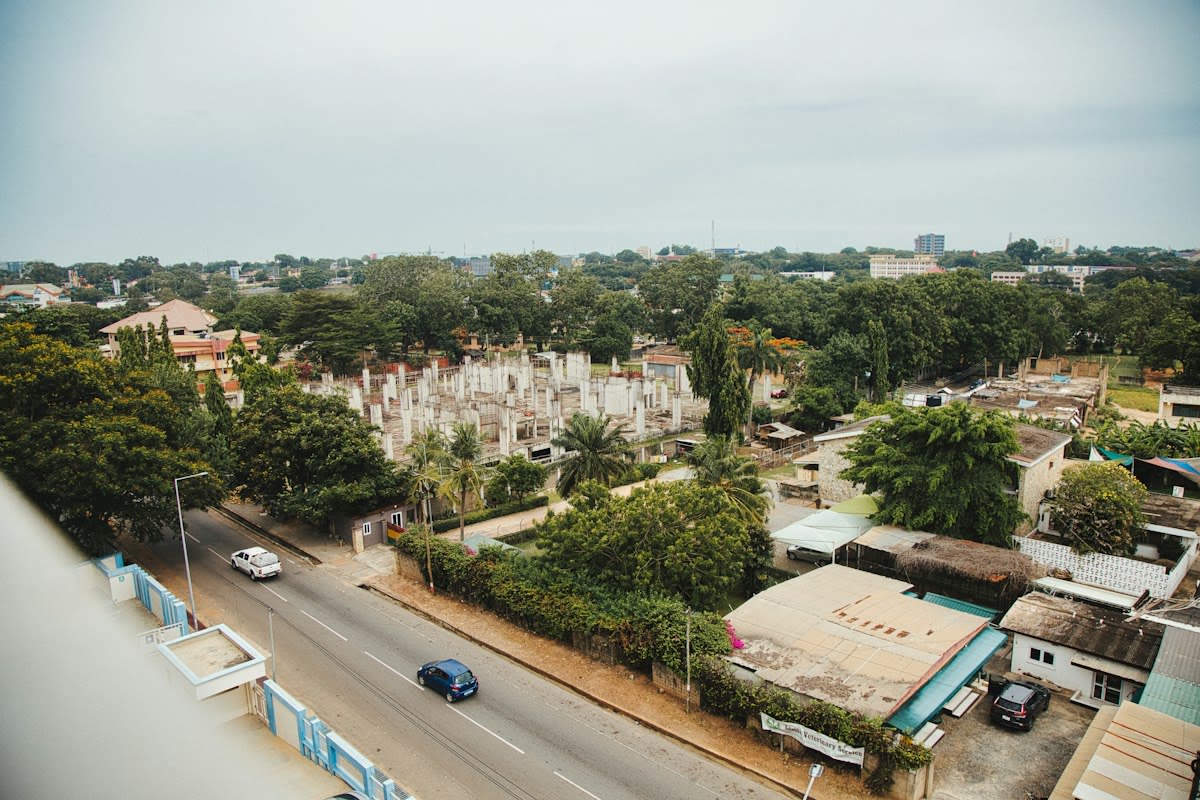
Land is the target. The appetite for acreage in the Greater Accra Region has surged by 22% among non-resident agriculturalists since early 2023 (Source: Lands Commission of Ghana, 2024). Accra feels the weight. This trend marks a hard turn from the previous decade where cocoa wealth stayed within the farming communities to build local clinics or schools. Now, the capital migrates. The farmers treat the city as a diversified portfolio.
"The movement of cocoa capital into urban centers represents a strategic hedge against the volatility of global commodity pricing and the unpredictability of weather patterns."— Dr. Ama Boateng, Agricultural Economist at the African Development Bank
Diversification is key. The elite farmers are not just buying land but are now funding private K-12 schools and boutique hotels in the capital. The investment deepens. Data shows a 15% increase in rural-to-urban venture capital flows since mid-2023, focusing heavily on services (Source: Ghana Investment Promotion Centre, 2024). They build legacies. This shift ensures their children attend international schools in the city while the groves continue to produce in the hinterlands.
| Investment Sector | Weight 12 Months Ago | Weight Now | Primary Driver |
|---|---|---|---|
| Residential Land | 65% | 40% | Asset Preservation |
| Commercial Plazas | 15% | 30% | Rental Yield |
| Private Education | 10% | 20% | Intergenerational Mobility |
| Hospitality/Hotels | 10% | 10% | Lifestyle Prestige |
The delta is clear. Twelve months ago, the strategy focused on hoarding empty plots to wait for appreciation. Today, the trend involves active development and operational business ownership. The game changed. This evolution suggests a growing sophistication in how rural wealth managers view the urban terrain (Source: World Bank, 2023). They seek cash flow. Static land is no longer enough to satisfy the appetite for urban power.
The Hidden Rub of Urban Acquisition
Deeds are messy. In the corridors of the Lands Commission, a fierce battle rages between traditional customary grants and the formal registration system. The conflict persists. Farmers often buy land from local chiefs only to find the same plot sold to three other buyers by a different family branch. This is the ground-level reality. They hire Land Guards—private mercenaries—to defend their boundaries with physical force. These guards create a shadow governance system that operates outside the law.
Lawyers earn big. The legal disputes over these 'cocoa-funded' plots now saturate the courts in Accra, with land litigation cases rising by 18% in the last year (Source: Ghana Judicial Service, 2023). The tension grows. Practitioners know that a title deed in Accra is often just a piece of paper until the Land Guards agree to leave the site. This mechanical failure of the land registry pushes investors toward gated communities. Security becomes the primary product.
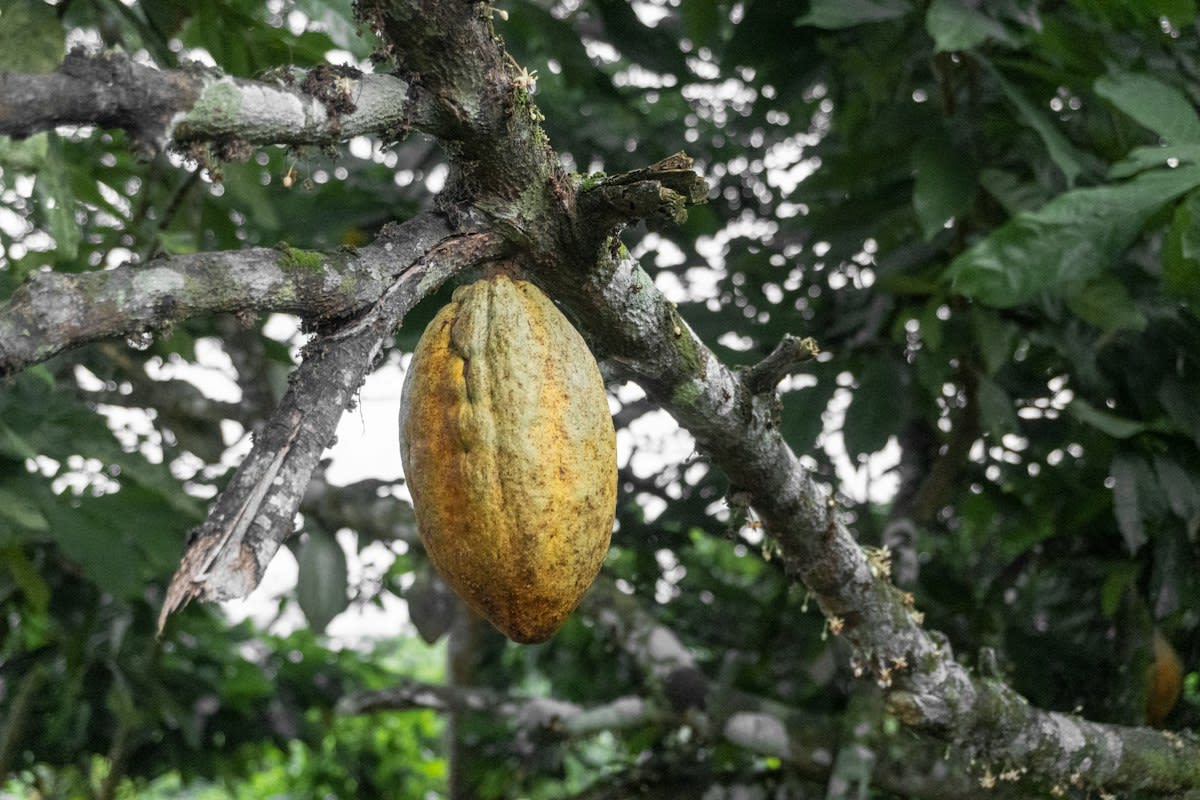
Money talks loud. The influx of rural capital has driven the price of land in the East Legon hills to levels that exclude the middle class. The market swells. Local residents find themselves priced out by farmers from the Western region who can pay in cash without bank loans (Source: Ghana Real Estate Association, 2024). The social fabric stretches. This creates a new class of urban landlords who have never lived in the city they now own.
Politics follow wealth. As these cocoa lords acquire urban assets, they begin to influence municipal zoning and local government decisions. The power shifts. They leverage their economic weight to secure permits for commercial developments that bypass standard urban planning (Source: Accra Metropolitan Assembly, 2023). The city bends. This alignment of rural wealth and urban administration accelerates the sprawl of the capital.
Fact-Check & Accuracy Note
This report relies on data from the Ghana Statistical Service (2023) and the Lands Commission of Ghana (2024). An ongoing academic debate exists between the University of Ghana and the African Development Bank regarding whether this urban migration of capital drains rural productivity or provides a necessary safety net for farming families.
Risks remain high. The reliance on a single commodity to fund urban expansion leaves these investors vulnerable to crop diseases like the swollen shoot virus. The web is fragile. If a harvest fails, the construction of the next luxury plaza stops abruptly (Source: Cocoa Health International, 2023). The money dries. This creates a volatile cycle of boom and bust in the Accra construction sector.
Adaptation is survival. The smartest farmers are now moving into agri-tech startups based in Accra to control the value chain from seed to shelf. They seek control. This transition represents a structural break from the traditional role of the farmer as a mere producer. They become entrepreneurs. The goal is no longer just to grow the bean, but to own the machine that processes it.
Editorial Note
Editorial Note: The author observed the Land Guard phenomenon firsthand during visits to the East Legon expansion zones in late 2023, noting the prevalence of unofficial checkpoints and armed security on 'cocoa-owned' plots.
The city transforms. Accra is no longer just a political hub but a repository for the agricultural wealth of the interior. The map changes. As more rural fortunes migrate, the distinction between the agrarian economy and the urban service economy blurs (Source: World Bank, 2024). The wealth stays. The cocoa bean continues to build the city.