Turkish officials backtrack after 24-hour hunt for Istanbul lioness, saying she never existed
Source Entity
Latest News: Todays Latest News Headlines from India & World | Hindustan Times
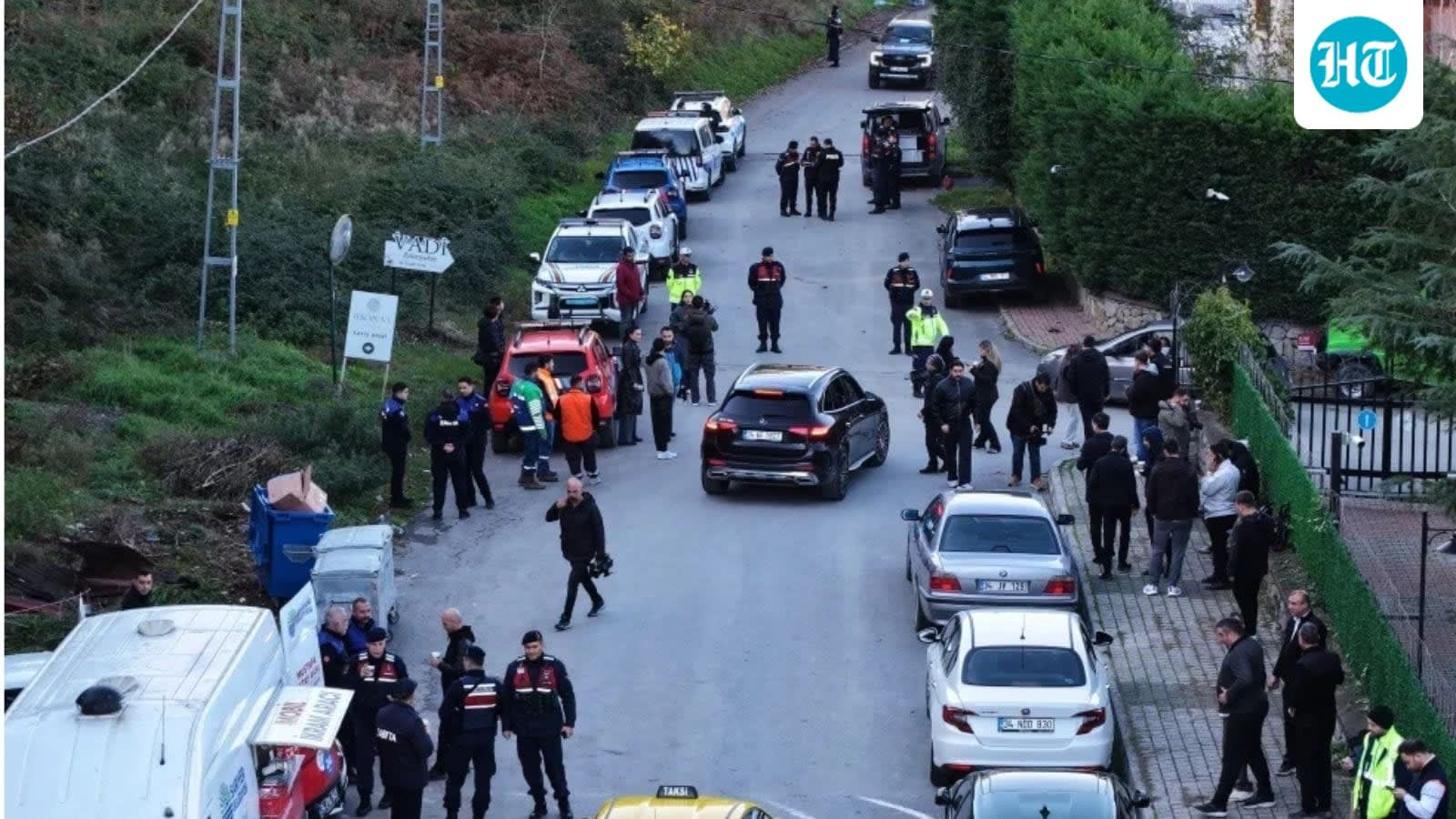
Turkish authorities have officially declared that a reported lioness in Istanbul was non-existent after a massive 24-hour search operation. The incident, which triggered widespread panic and the lockdown of the Belgrade Forest, remains a mystery regarding the origin of the misleading footage.
The Istanbul Lioness Phantom: A Case of Urban Panic
The Incident and Official Response
The quiet suburbs of Istanbul, specifically the upmarket neighborhood of Uskumrukoy, were thrust into a state of high alert following reports of a prowling lioness. The situation rapidly escalated into a massive 24-hour operation, involving a coalition of Turkish gendarmerie, police, army commandos, and specialized animal welfare teams. The gravity of the threat was amplified by the official dissemination of two videos that purportedly captured the predator, leading local authorities to seal off the expansive 54-square-kilometer Belgrade Forest and issue strict stay-at-home warnings for residents.
The Backtrack and Realization
Confusion reached its zenith late Monday when Turkish officials publicly backtracked, declaring that the lioness never existed. This sudden pivot from a high-stakes tactical search to a complete dismissal of the threat underscores a profound failure in initial verification processes. The reversal has left the public and observers questioning how law enforcement and government agencies were convinced enough by visual evidence to mobilize significant state resources, including military assets, for an animal that was never physically encountered.
Implications of Digital Misinformation
This event serves as a stark case study on the impact of digital misinformation in modern urban environments. The reliance on video evidence that was either misinterpreted or intentionally misleading highlights the vulnerability of emergency response protocols to unverified media. When authorities act on visual cues without physical confirmation, the resulting panic can cause significant economic and social disruption, as seen by the lockdown of a major forest area and the paralysis of suburban daily life.
Institutional Trust and Accountability
The mobilization of army commandos and police forces based on what turned out to be a non-existent threat raises critical questions about institutional oversight. While the primary objective of the authorities was public safety, the deployment of such a heavy-handed response based on erroneous data suggests a need for more rigorous intelligence verification before escalating to a full-scale search and lockdown. The incident places a spotlight on the internal communication gaps within the Istanbul governor's office and the local security apparatus.
Future Trends in Crisis Management
As urban areas become increasingly monitored by civilians with smartphones, the likelihood of 'phantom threats' circulating on social media is growing. Future crisis management must incorporate advanced forensic analysis of digital media to distinguish between genuine threats and hoaxes. This incident will likely compel Turkish authorities to refine their emergency response playbooks, potentially requiring more stringent validation thresholds before triggering public alerts or forest closures in the future.
Conclusion
The 'Istanbul Lioness' incident concludes as a cautionary tale of urban legend meeting modern surveillance. While the city has returned to normalcy, the confusion surrounding the origins of the videos remains a point of concern. Ultimately, the episode underscores the necessity for calm, verified reporting, especially when the specter of public danger is used to justify the mobilization of state security forces.
Verification Required?