US climber dies while descending Nepal's 6,476-metre Mera Peak after successful summit
Source Entity
Latest News: Todays Latest News Headlines from India & World | Hindustan Times
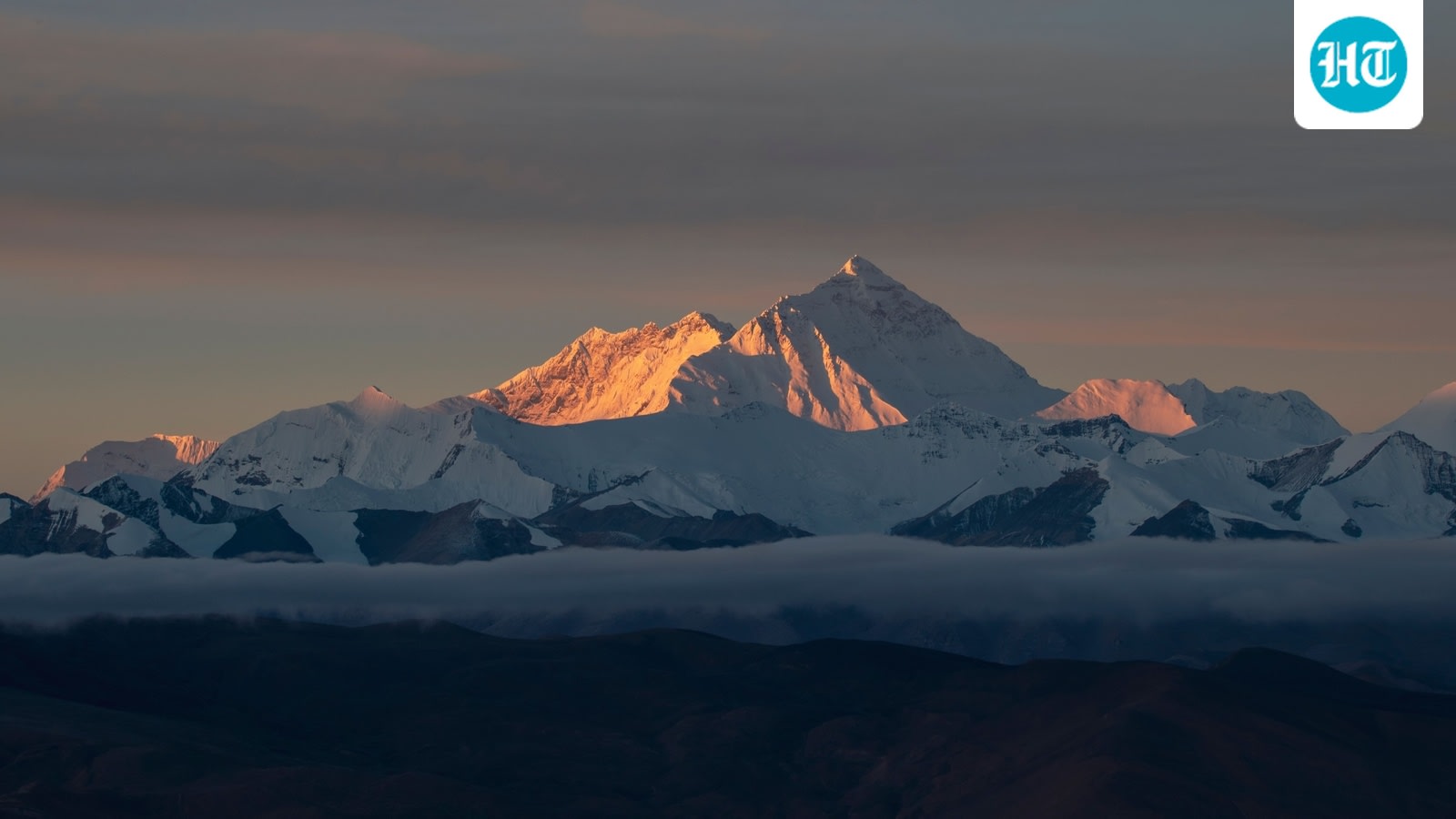
A 66-year-old American climber died at a high-altitude camp after successfully summiting Nepal's 6,476-metre Mera Peak. The body has been airlifted to Kathmandu for a post-mortem examination to determine the cause of death.
Tragedy Strikes on Mera Peak: A High-Altitude Loss
A 66-year-old American climber has passed away while descending from the summit of Nepal’s 6,476-metre (21,247-foot) Mera Peak. The climber, who had successfully reached the mountain's peak, was discovered deceased inside a tent at the high camp, located at an elevation of approximately 5,800 metres. The discovery was confirmed by Bhupendra Thapa, the assistant chief district officer of the Solukhumbu district.
The Logistics of Recovery
Following the discovery of the climber’s body on Sunday, local authorities initiated a recovery operation. The body was airlifted from the high camp to Kathmandu, the capital of Nepal, later that same afternoon. Currently, the precise cause of death remains unknown; officials have stated that a formal post-mortem examination will be required to ascertain the medical factors leading to this fatality.
Contextualizing the Everest Region
Nepal remains a global epicenter for high-altitude mountaineering, hosting eight of the world’s 14 peaks that exceed 8,000 metres. Mera Peak, while lower than the famed "eight-thousanders," is a significant challenge in the Everest region. The mountain is frequently used by climbers as a training ground or a primary objective due to its elevation and the technical demands required to navigate its glaciated terrain.
The Seasonal Dynamics of Himalayan Climbing
This incident occurred during the autumn climbing season. While the spring season—typically pre-monsoon—is the most popular window for Himalayan expeditions due to more stable weather conditions, autumn is an alternative window. However, as noted in recent reports, autumn expeditions are generally less popular, often presenting different weather challenges and fewer support services compared to the bustling spring window.
Broader Implications and Future Trends
Foreign mountaineers are a critical pillar of Nepal’s economy, driving tourism and local employment in the Everest region. Incidents like this highlight the inherent risks associated with high-altitude trekking and climbing, regardless of the mountain's specific stature. As the sport continues to attract an aging demographic of experienced adventurers, the balance between physical preparation and the physiological toll of extreme altitude remains a primary concern for the mountaineering community.
Conclusion
While the investigation into the climber's death continues, the event underscores the unpredictable nature of the Himalayas. The professional response by local authorities in Solukhumbu ensured the swift recovery of the deceased, allowing for a proper autopsy. As Nepal continues to manage its influx of international climbers, the focus remains on safety protocols and the rigorous demands placed upon those seeking to summit these formidable peaks.
Verification Required?