Bangladesh seeks Thailand's support to repatriate Rohingya refugees to Myanmar
Source Entity
Latest News: Todays Latest News Headlines from India & World | Hindustan Times
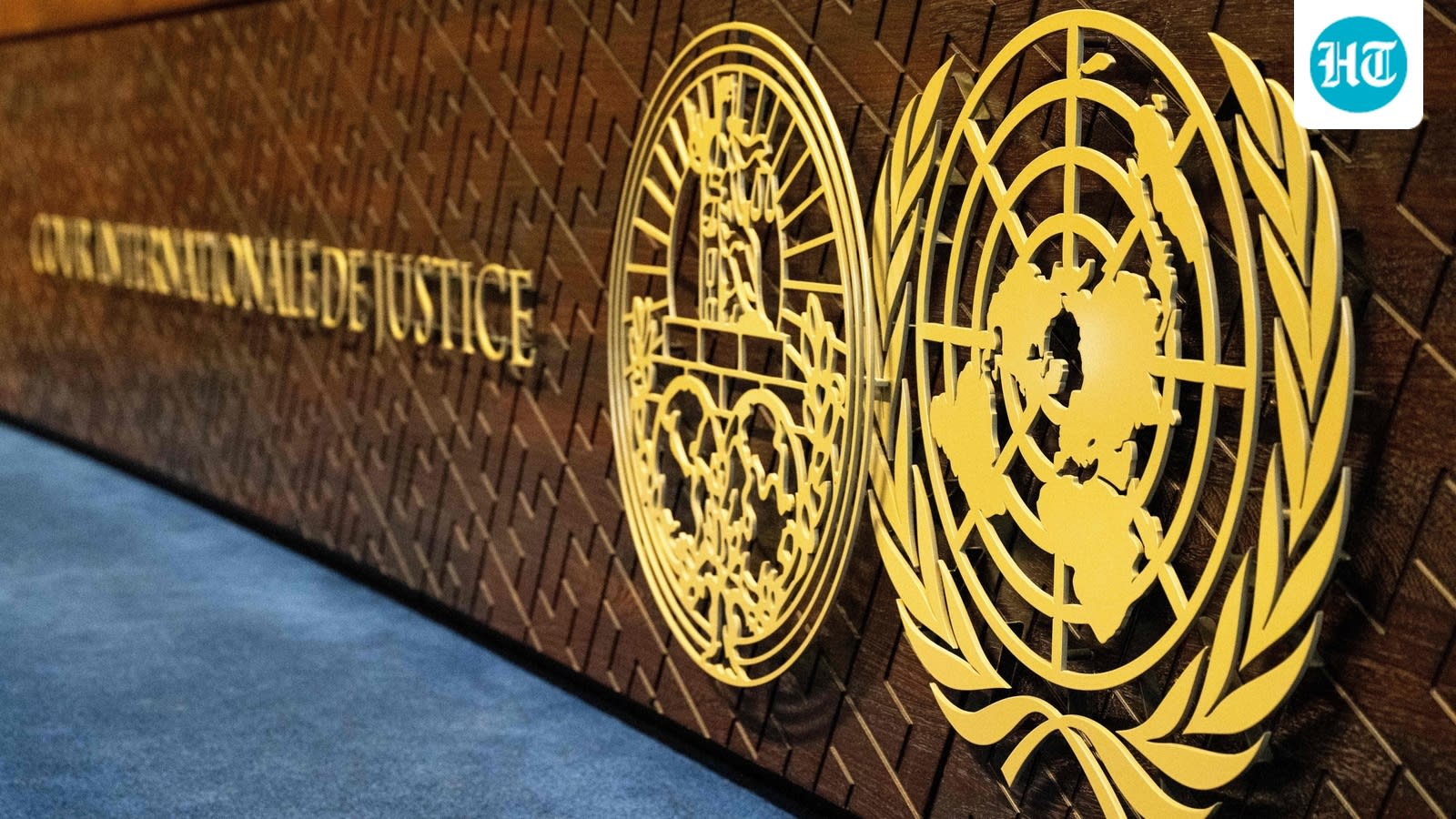
The ICJ has issued a landmark ruling holding Myanmar responsible for the 2017 genocide against the Rohingya. This decision complicates India's strategic balancing act as it navigates between international human rights obligations and regional geopolitical pressures.
A Landmark Legal Precedent
On November 19, the International Court of Justice (ICJ) delivered a historic judgment in the case of The Gambia v. Myanmar, formally finding the State of Myanmar responsible for committing genocide against the Rohingya community. This ruling, centered on the 2017 military clearance operations in northern Rakhine State, marks the first time the ICJ has held a state accountable for such a grave crime. The court explicitly rejected Myanmar’s defense that the violence was a legitimate counterinsurgency operation, citing evidence of approximately 10,000 deaths, widespread sexual violence, and targeted attacks on children.
The Geopolitical Paradox
In a striking display of the current global order's volatility, this landmark ruling coincided with a trilateral meeting in Shenzhen between leaders from the United States, China, and Russia. During this summit, the leaders issued a stern warning against international judicial bodies like the ICJ and the International Criminal Court (ICC), signaling their intent to constrain the jurisdiction of these institutions. This juxtaposition highlights the growing friction between the post-World War II international legal framework and the realpolitik interests of modern global powers.
India’s Strategic Dilemma
For New Delhi, the ICJ verdict presents an intricate challenge. India’s stated policy has long been to facilitate the repatriation of Rohingya refugees back to Myanmar. However, the ICJ’s findings regarding the severity of the genocide and Myanmar's failure to prevent it create significant obstacles to such a return. India must now balance its desire to maintain a constructive relationship with the military junta in Myanmar—a key neighbor—against the reality of a state officially branded as genocidal by the highest court in the world.
The Quad and Regional Security
Parallel to these legal developments, the Quad summit in Manila has signaled a shift from strategic intent to operational cooperation among democratic nations in the Indo-Pacific. While the Quad focuses on maritime security, economic resilience, and cybersecurity, the presence of the military junta in Myanmar remains a complicating factor for regional stability. As the Quad seeks to provide security assurances to ASEAN partners, the ongoing crisis in Rakhine State threatens to undermine these collaborative efforts.
Future Trends and Conclusion
Looking ahead, the international community faces a period of intense pressure regarding the enforcement of the ICJ ruling. As Myanmar’s junta faces unprecedented scrutiny, the divide between Western-led democratic coalitions and the great-power trilateral consensus centered on non-interference will likely widen. For India, the path forward requires navigating these competing pressures, ensuring that its regional stability goals do not come at the expense of its international standing or the humanitarian imperative to address the plight of the Rohingya.
Verification Required?