
The global trade map is being redrawn, not by treaties or tariffs, but by the periodic table. For decades, the movement of raw materials followed a simple path: extract in the Global South, process in the East, and consume in the West. That pipeline is fracturing. We are witnessing the rise of critical mineral nationalism, where resource-rich nations are no longer content to be the world's quarry. They are erecting 'resource walls'—policy frameworks designed to force industrialization within their own borders by restricting the export of raw ores.
The delta between today and twelve months ago is stark. A year ago, the conversation centered on diversifying supply chains to avoid disruption. Today, the conversation has shifted to sovereign control. We have moved from 'de-risking' to 'active containment'. Nations are now leveraging their geological endowments as diplomatic chips, demanding that foreign investors build refineries and battery plants locally rather than shipping raw materials abroad. This is not a temporary market fluctuation; it is a fundamental restructuring of how wealth is captured in the green economy.
The Sovereign Battery: From Ore to Value-Add
Indonesia provides the blueprint for this new era. By banning the export of raw nickel ore, Jakarta effectively forced global mining giants to invest billions in domestic smelting and refining capacity. The results are quantifiable. According to the International Energy Agency (IEA, 2023), this strategy has accelerated Indonesia's move up the value chain, transforming it from a raw material exporter into a burgeoning hub for EV battery precursors. This is a calculated gamble: sacrifice short-term export revenue for long-term industrial sovereignty.
"The era of passive extraction is over. We are entering an age where the possession of critical minerals is treated with the same strategic intensity as oil was in the 20th century, but with a far more complex processing requirement."— Fatih Birol, Executive Director at the International Energy Agency
South America is following a similar trajectory. Chile and Bolivia, holding the world's largest lithium reserves, are increasingly viewing the 'white gold' as a national security asset. Chile's move toward a state-led model for lithium extraction signals a departure from the purely privatized concessions of the past. These nations are realizing that while they hold the dirt, the real wealth lies in the chemicals. By controlling the transition from spodumene to lithium carbonate, these states are attempting to break the historical cycle of commodity dependence.
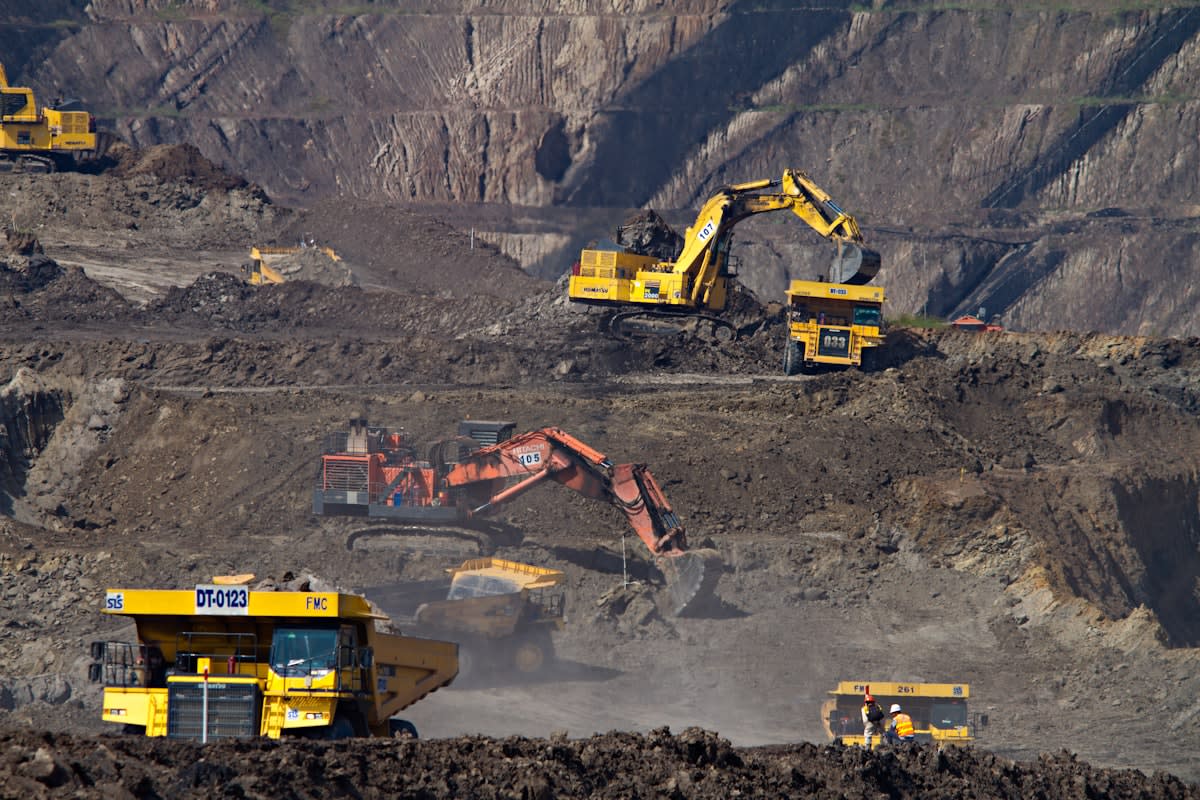
This shift creates a volatile environment for global manufacturers. When a nation decides to nationalize its resources or pivot its export laws overnight, the ripple effects hit the assembly lines in Germany, Japan, and the United States. The reliance on a few concentrated geographies for processing—most notably China's dominance in rare earth elements—has turned supply chain management into a geopolitical exercise. (Source: World Bank, 2023).
The Midstream Chokepoint
Mining the material is the easy part; refining it is where the power resides. The global wealth map is currently skewed by a massive processing imbalance. While minerals are found globally, the capacity to turn them into battery-grade materials is heavily concentrated. This midstream chokepoint allows a few actors to dictate the pace of the global energy transition. The US Inflation Reduction Act (IRA) is a direct response to this, offering massive subsidies to decouple processing from adversarial jurisdictions. (Source: US Department of Energy, 2023).
| Mineral | Primary Source Region | Processing Dominance | Strategic Trend |
|---|---|---|---|
| Lithium | Australia, Chile | China | State-led nationalization |
| Cobalt | DR Congo | China | Artisanal to Industrial shift |
| Nickel | Indonesia, Philippines | China, Indonesia | Export bans for local value-add |
| Rare Earths | China, USA | China | Aggressive diversification |
From a practitioner's perspective, this is where the real friction happens. In the boardroom of a mid-tier mining firm, the debate isn't about the grade of the ore; it's about Local Content Requirements (LCRs). Executives are currently wrestling with the paradox of investing in regions where the political winds shift every election cycle. Do you build a $2 billion refinery in a country with an unstable power grid just to satisfy a government mandate and keep your mining license? This is the daily tension between operational efficiency and political survival.
The friction extends to the financing. Traditional lenders are wary of projects in jurisdictions where 'resource nationalism' is the official policy. We are seeing a rise in state-backed financing and 'minerals-for-infrastructure' swaps, which bypass traditional capital markets. This creates a parallel financial system where strategic alignment outweighs credit ratings.
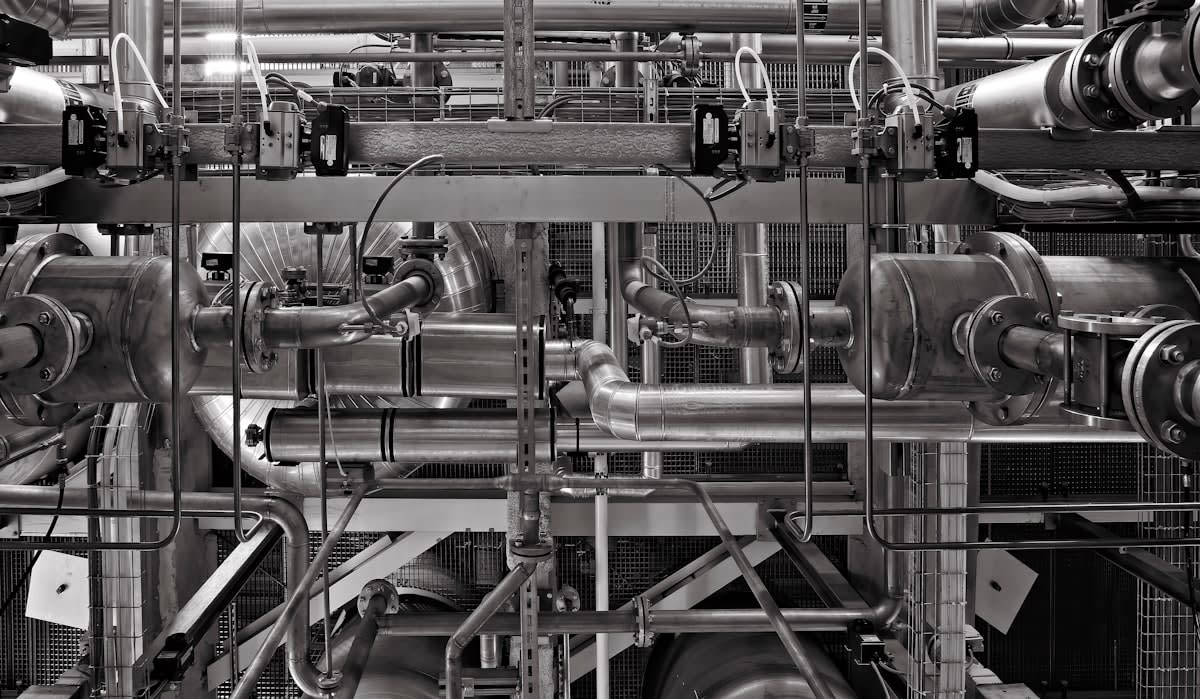
Adaptation and the Circular Pivot
How do diversified economies respond to these resource walls? The answer lies in resilience through substitution and circularity. We are seeing an urgent push toward 'urban mining'—the extraction of minerals from electronic waste. If a nation cannot secure a stable flow of virgin cobalt from the Congo, it must find a way to recover it from old smartphones and laptops. (Source: European Commission, 2023).
Simultaneously, chemistry is fighting back. Battery manufacturers are pivoting toward Lithium Iron Phosphate (LFP) batteries to reduce reliance on cobalt and nickel. This technological pivot is a direct response to the geopolitical instability of the supply chain. When the cost of political risk exceeds the cost of R&D, innovation accelerates. The 'resource wall' is effectively forcing the industry to evolve beyond its own dependencies.
The long-term winner in this game will not be the country with the most minerals, but the one with the most flexible industrial base. The ability to pivot between different mineral chemistries and the capacity to recycle materials at scale will define the next era of economic power. The wealth map is shifting from those who own the ground to those who master the molecule.
Editorial Note
This analysis is based on current geopolitical trends and policy shifts observed in the mining and energy sectors. While the trend toward nationalism is clear, the effectiveness of export bans varies by country and is often subject to challenges at the World Trade Organization (WTO).
Fact-Check & Accuracy Note
Key claims regarding Indonesia's nickel strategy and China's processing dominance are sourced from the International Energy Agency (IEA) 2023 reports and World Bank commodity market outlooks. Data on the US Inflation Reduction Act is sourced from official US Department of Energy documentation (2023). Ongoing debates in the field center on the sustainability of 'local value-add' mandates in the face of fluctuating global demand.