FCNR(B) deposits push forex reserves to all-time high of $729 billion in August
Source Entity
Siddharth Upasani
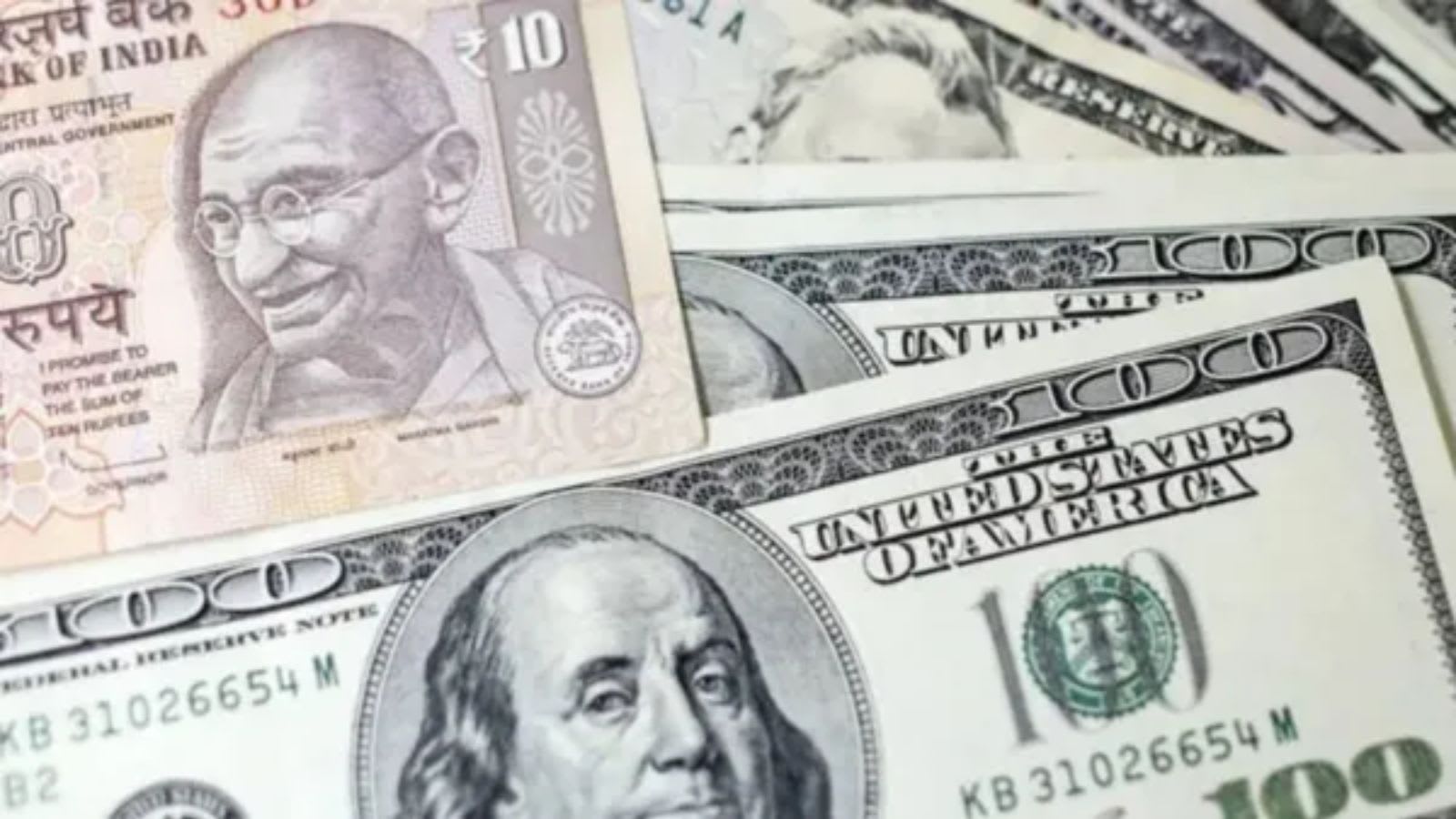
India's economy shows resilience with a 6.7% industrial production growth in July and record-breaking forex reserves of $729.33 billion. Despite geopolitical headwinds in West Asia, capital expenditure and strategic RBI measures are bolstering macroeconomic stability.
India’s Economic Resilience Amidst Global Volatility
India has demonstrated remarkable macroeconomic stability at the dawn of the 2026-27 fiscal year, characterized by robust industrial output and record-breaking foreign exchange reserves. Despite the significant geopolitical disruptions stemming from the West Asia conflict, the Indian economy appears to be navigating a complex global landscape with sustained momentum, signaling a potential upward trajectory for the remainder of the fiscal year.
Industrial Sector Performance and Capital Expenditure
In July 2026, India’s industrial production rose by 6.7% year-on-year, a testament to the sector's durability. A critical driver of this growth was the double-digit expansion in the production of capital goods. This development is particularly significant for policymakers and market analysts, as it suggests that the long-awaited private sector capital expenditure (capex) cycle is finally beginning to take root. While the growth rate moderated from the 8.8% observed in June, economists like Rajani Sinha of CareEdge Ratings emphasize that the overall industrial activity remains inherently resilient.
GDP Projections and Economic Outlook
Economic indicators point toward a strong start for the 2026-27 fiscal year. The Reserve Bank of India (RBI) has projected a GDP growth rate of 7% for the first quarter, though some independent economists maintain a more optimistic outlook, suggesting that growth may have touched 8%. This optimism is grounded in the underlying strength of domestic industrial activity, which has managed to withstand external pressures effectively.
Strengthening the Forex Buffer
Complementing the industrial growth is a historic accumulation of foreign exchange reserves, which hit an all-time high of $729.33 billion as of August 21. This surge is largely attributed to the RBI’s concessional swap window for Foreign Currency Non-Resident (Bank) deposits, which has been operational since June 8. This liquidity injection has successfully bolstered India’s external balance sheet, providing a necessary cushion against currency volatility.
Navigating the West Asia Conflict
The importance of these record reserves cannot be overstated, particularly given the pressures exerted by the ongoing West Asia conflict. Following the closure of the Strait of Hormuz, global energy prices spiked, placing significant strain on India, which relies on imports for approximately 85% of its crude oil requirements. Prior to the record-breaking August figures, the nation’s reserves had been tested by the conflict’s onset in February, which saw the rupee face intense stress due to rising import bills and foreign fund outflows.
Future Trends and Concluding Summary
Looking ahead, the combination of a reviving private capex cycle and a robust forex buffer positions India to weather further global uncertainties. While the persistence of the West Asia conflict remains a primary risk factor for energy inflation and currency depreciation, the current data suggests that the Indian economy is structurally prepared to sustain its growth momentum. The synergy between proactive monetary policy and resilient industrial production remains the cornerstone of India’s current economic stability.